



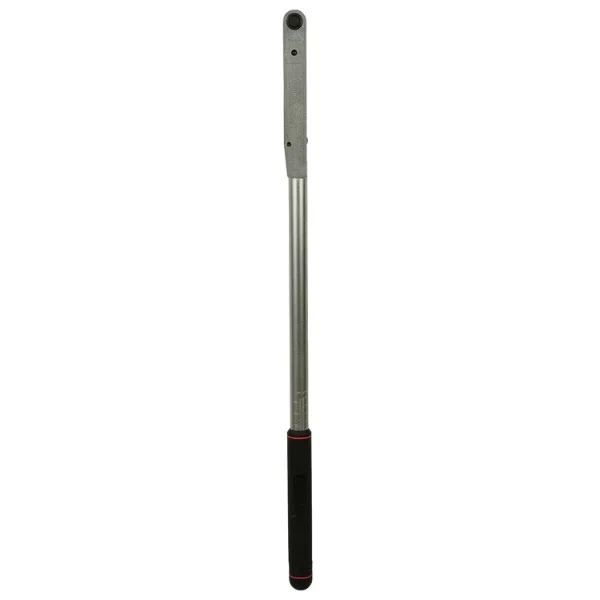
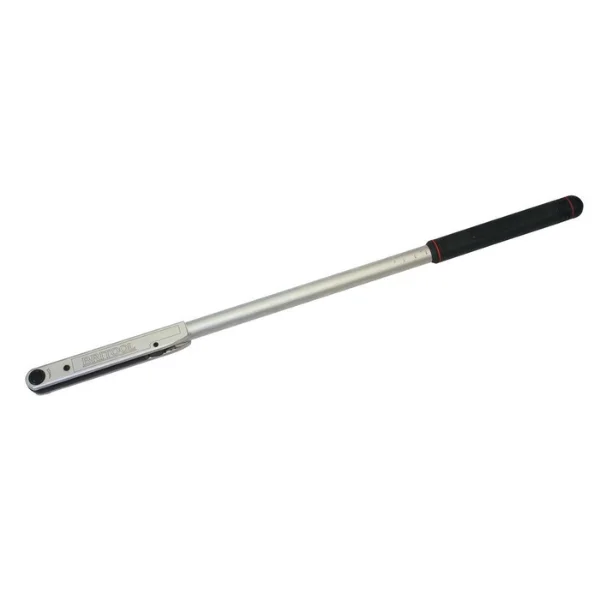
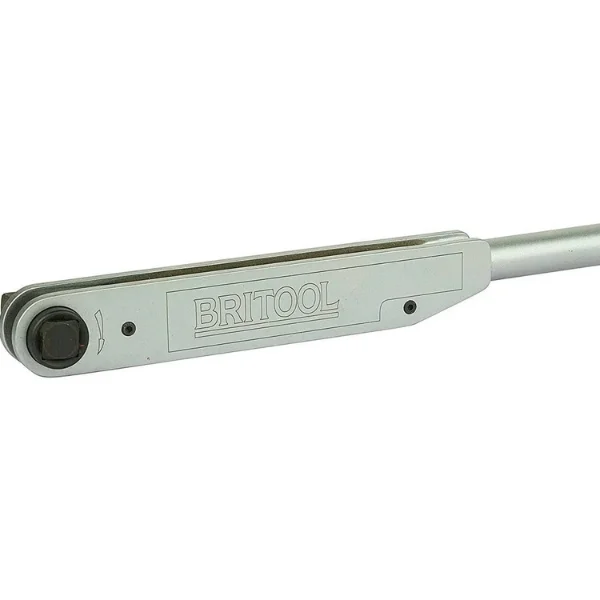
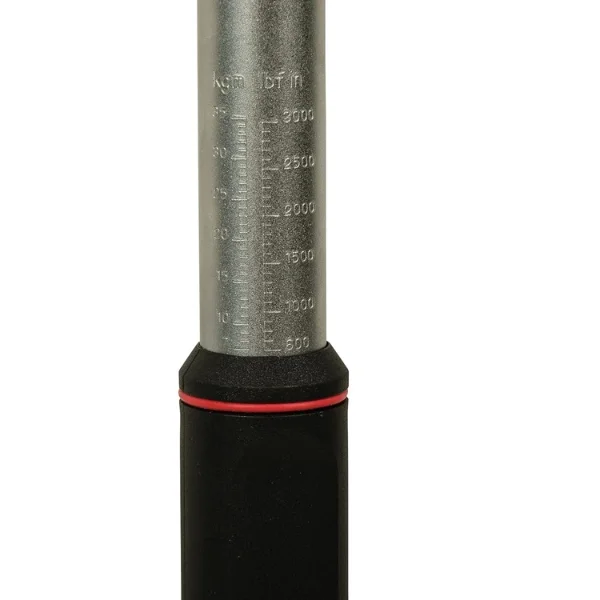
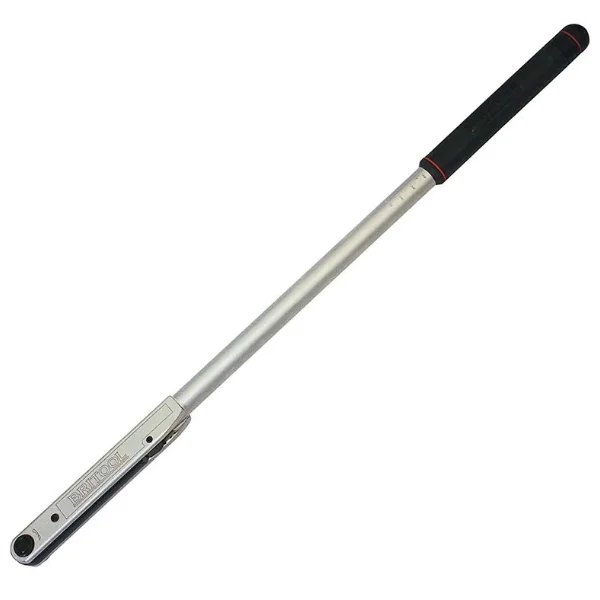
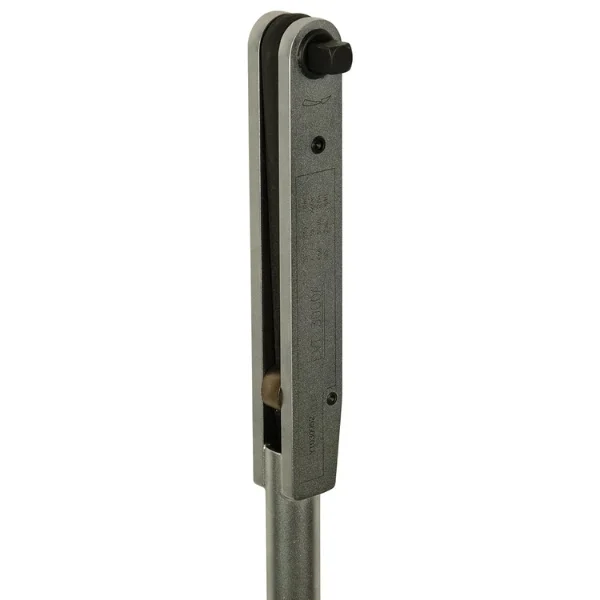



This model is commonly used in equipment servicing, heavy vehicle maintenance, and industrial assembly operations where controlled torque application is required for safety and mechanical reliability.
Application Context & Use Cases
The torque capacity range of 70–330 Nm places this wrench within the typical requirements of mid-to-high torque fastening applications.
Typical Industrial Applications
Automotive & Commercial Vehicle Maintenance
Wheel nuts, suspension bolts, and engine components often require torque control within the 100–300 Nm range. Maintenance teams rely on calibrated torque tools to ensure safe fastening and avoid wheel or suspension failures.
Industrial Equipment Assembly
Many machines rely on torque-controlled assembly to maintain structural integrity. Torque wrenches are used during:
gearbox installation
structural frame assembly
machinery servicing
pump and motor installations
Heavy Equipment Service Operations
Field service technicians working on construction or mining equipment frequently use torque tools for:
drivetrain components
hydraulic mounting assemblies
heavy structural fasteners
Manufacturing Maintenance Departments
Maintenance teams within production plants use torque wrenches for preventive maintenance tasks including:
machine frame tightening
structural equipment bolts
periodic inspection and re-torque procedures
Selection Guidance
Selecting the correct torque wrench requires matching the torque tool capacity with the fastening requirement of the application.
Key Selection Criteria
Torque Range Suitability
The maximum torque requirement of the fastener should fall within the operating range of the wrench.
Example:
If a fastener specification requires 240 Nm, a torque wrench with a range of 70–330 Nm provides sufficient capacity.
Drive Compatibility
A 1/2" square drive is commonly used for medium and high torque fasteners and supports:
standard sockets
impact-rated sockets
extension accessories
Application Frequency
For workshops performing frequent tightening operations, durable mechanical click torque wrenches are commonly preferred due to reliability and ease of calibration.
Capacity / Calculation Example
Torque tools are selected based on the tightening requirement of the fastener.
Example – Commercial Vehicle Wheel Bolt
Typical wheel nut torque specification:
280 Nm
To choose a torque wrench correctly:
Identify the torque specification
Select a wrench with a capacity exceeding the requirement
Ensure torque falls within the mid operating range
Calculation Logic
Fastener Torque Requirement |
Recommended Wrench Range |
|
280 Nm |
100–350 Nm class wrench |
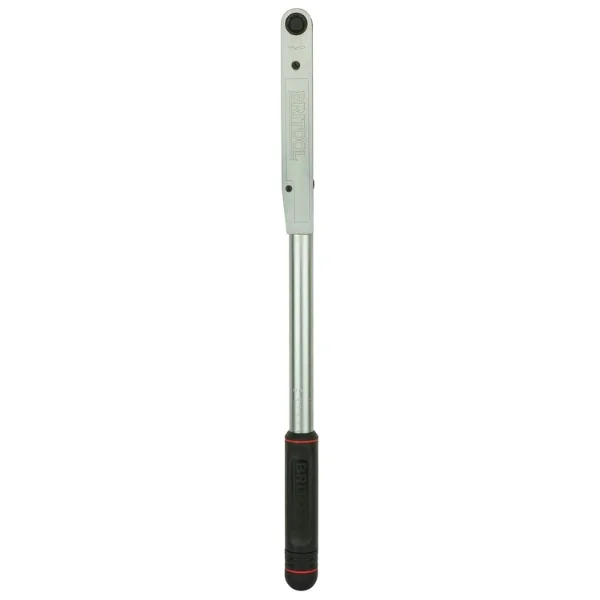
The EVT3000A range of 70–330 Nm accommodates this requirement comfortably.
Operating near the middle of the torque range improves accuracy and reduces mechanical stress on the wrench mechanism.
Failure Conditions & Misuse Risks
Improper use of torque tools can result in inaccurate torque application and equipment damage.
Common Misuse Conditions
Exceeding Maximum Torque
Applying torque beyond the rated capacity may damage the internal mechanism or cause permanent calibration drift.
Using Torque Wrench as a Breaker Bar
Torque wrenches are not designed for loosening seized bolts. Doing so can compromise the internal calibration.
Dropping or Impact Shock
Mechanical torque tools contain calibrated components. Impact shock may alter the torque mechanism.
Storage at High Torque Setting
Leaving the wrench at high torque settings during storage can weaken the internal spring system.
Material & Compatibility Table
|
Component |
Compatibility |
|
Drive Interface |
1/2" Square Drive |
|
Socket Types |
Standard sockets |
|
Extension Bars |
Compatible |
|
Universal Joints |
Compatible |
|
Torque Adapters |
Compatible |
|
Calibration Equipment |
Standard torque calibration rigs |
The 1/2" square drive format allows compatibility with commonly available industrial socket systems.
Operational Handling & Installation Considerations
Proper operation improves torque accuracy and tool life.
Handling Recommendations
Gradual Torque Application
Torque should be applied smoothly until the click mechanism activates. Sudden force application may produce inaccurate readings.
Calibration Maintenance
Torque wrenches should be recalibrated periodically based on usage frequency.
Common calibration intervals:
heavy use: every 6 months
moderate use: annually
Storage
After use, reduce the torque setting to the lowest scale value and store in a protective case.
Commercial Clarity
Lead Time
Typical dispatch timelines depend on stock availability. Most industrial orders are processed within standard commercial dispatch cycles.
Dispatch Capability
Supply coverage is available across Pan-India industrial locations, including major manufacturing and maintenance hubs.
Minimum Order Quantity (MOQ)
Single unit procurement is generally possible for maintenance requirements. Bulk supply may be arranged for workshop or distributor orders.
Customization Availability
The product is supplied as a standard torque wrench model. Custom torque ranges are not applicable to mechanical preset tools.
Compliance / Certification
Torque wrenches used in industrial environments typically require periodic calibration verification. Calibration services may be arranged through authorized facilities.
Tender Compatibility
Industrial procurement teams requiring torque tools for project tenders may request specification documentation for technical validation.
Procurement Process
Organizations planning to procure torque tools typically provide technical and commercial information during enquiry.
Information Useful for Enquiry
Required torque wrench model
Quantity required
Delivery location
Intended application (optional but useful)
Procurement timeline
Providing these details helps suppliers confirm availability and dispatch schedules.
Comparison Table
Britool EVT3000A vs Typical Torque Wrench Alternatives
Parameter |
EVT3000A |
Low Range Torque Wrench |
High Capacity Torque Wrench |
|
Torque Range |
70–330 Nm |
10–100 Nm |
200–1000 Nm |
|
Drive Size |
1/2" |
3/8" |
3/4" |
|
Application |
Industrial maintenance |
Precision assembly |
Heavy structural bolts |
|
Workshop Use |
Automotive & equipment service |
Electronics or small machinery |
Heavy industry |
|
Typical Fasteners |
Wheel bolts, suspension bolts |
Small mechanical fasteners |
Structural anchor bolts |
The EVT3000A fits the mid-to-high torque maintenance segment, commonly used in industrial service operations.
Selection Checklist
Use the following checklist before selecting this torque wrench.
Application Validation
Required torque falls between 70–330 Nm
Fastener size is compatible with 1/2" drive sockets
Operational Environment
Industrial workshop or maintenance environment
Repetitive torque tightening tasks
Tool Compatibility
Existing socket sets support 1/2" square drive
Maintenance Capability
Organization can support periodic torque calibration
If these conditions are satisfied, the EVT3000A typically meets the operational requirement.
High-Intent FAQs
What type of torque mechanism does the EVT3000A use?
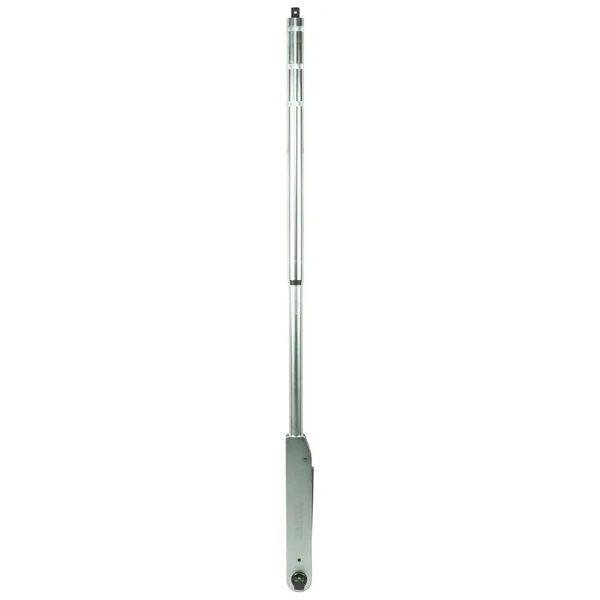
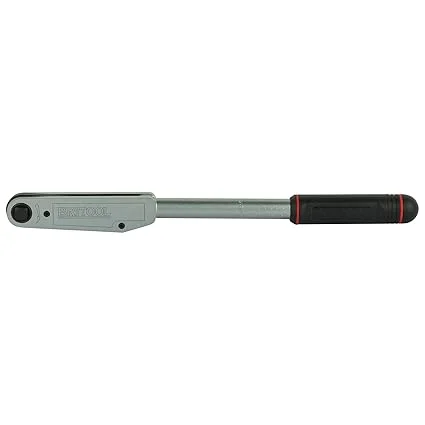
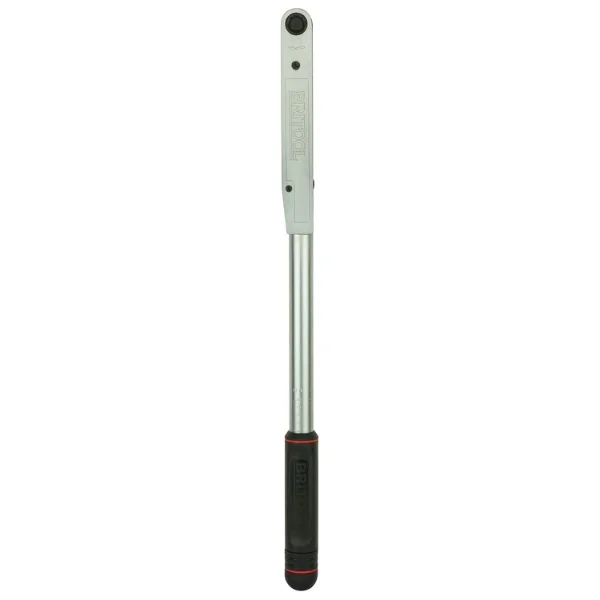
The EVT3000A uses a mechanical click-type torque mechanism. When the preset torque value is reached, the internal mechanism produces a click signal to indicate the required torque has been applied.
What applications commonly require 70–330 Nm torque?
Typical applications include commercial vehicle wheel nuts, suspension bolts, heavy equipment fasteners, and structural machine bolts used in industrial maintenance operations.
Can the torque wrench be used for loosening bolts?
Torque wrenches are designed primarily for tightening fasteners. Using the tool for loosening seized bolts may damage the internal torque mechanism.
How often should torque wrenches be calibrated?
Calibration frequency depends on usage conditions. Industrial workshops typically recalibrate torque tools every 6–12 months or after significant usage cycles.
Is a 1/2" drive torque wrench compatible with standard socket sets?
Yes. A 1/2" square drive torque wrench is compatible with most industrial socket systems used in automotive and mechanical workshops.
What happens if the torque wrench is overloaded?
Exceeding the maximum torque capacity can damage the internal spring and click mechanism, resulting in inaccurate torque readings.
Can the tool be used in industrial assembly operations?
Yes. The torque range is suitable for medium and heavy assembly applications where torque control is required for bolt tightening.
Technical Configuration Overview
Technical Specifications
Core Product Data
Parameter |
Specification |
|
Model |
Britool EVT3000A |
|
Drive Size |
1/2" Square Drive |
|
Torque Range |
70–330 Nm |
|
Mechanism |
Mechanical Click Type |
|
Measurement Unit |
Newton Meter (Nm) |
|
Application |
Controlled tightening of threaded fasteners |
|
Calibration Compatibility |
Suitable for periodic torque calibration |
|
Typical Users |
Maintenance technicians, assembly operators |
Torque Range Breakdown
Operational Range
The torque wrench operates across a working range suitable for medium and high torque fastening.
Torque Level |
Application Example |
|
70–120 Nm |
Medium structural bolts |
|
120–200 Nm |
Automotive suspension fasteners |
|
200–330 Nm |
Heavy vehicle wheel assemblies |
Operating a torque wrench within its mid-range generally improves measurement accuracy and mechanical durability.






Customer reviews