



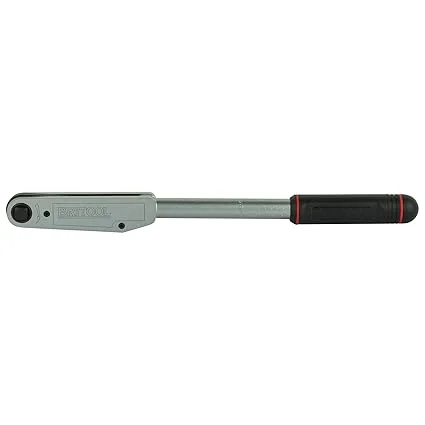
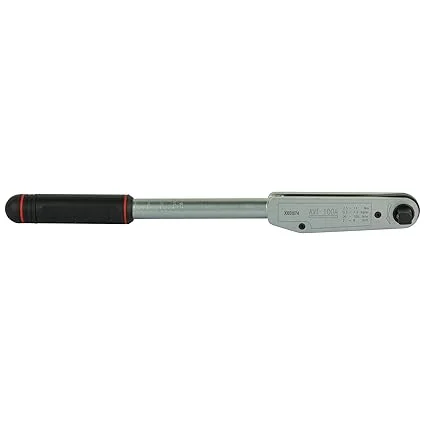
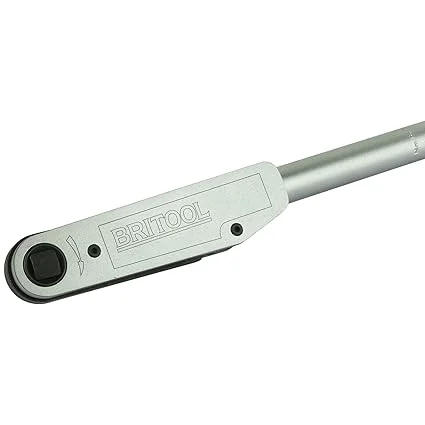
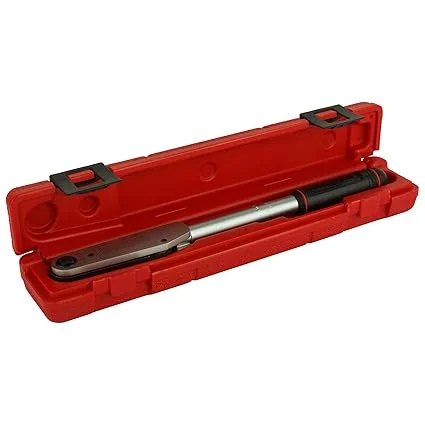
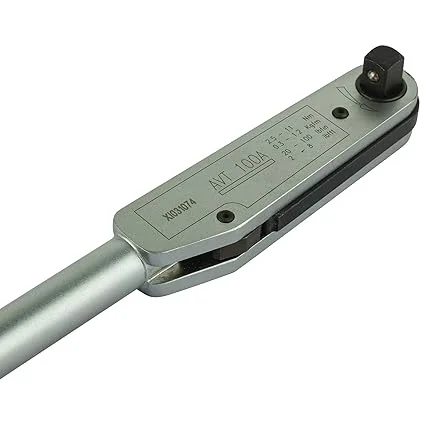


It is commonly used in electronics, instrumentation, and light automotive assemblies where repeatable torque accuracy is required for quality-controlled fastening operations.
Application Context & Use Cases
Low-range torque wrenches are typically used in assembly environments where fasteners are small and torque accuracy is critical. Incorrect torque can lead to thread stripping, component deformation, or premature equipment failure.
Typical Industrial Applications
Electronics Assembly
Small threaded fasteners in PCB mounts, enclosures, and connector assemblies often require torque values between 3–8 Nm.
Instrumentation Manufacturing
Precision instruments such as flow meters, pressure gauges, and control valves require consistent torque to avoid measurement drift.
Automotive Sub-Assemblies
Interior assemblies, sensor mounts, and electrical components often fall within low torque fastening ranges.
Aerospace Subcomponents
Low torque tightening is used on lightweight structural fittings and electronic housings.
Maintenance & Calibration Departments
Maintenance teams frequently use low-range torque tools to service equipment where tightening tolerances are specified in engineering manuals.
Selection Guidance — Choosing the Correct Torque Tool
Selecting the correct torque wrench requires matching the working torque range with the fastener specification.
Recommended Selection Principle
A torque wrench should ideally operate within 20–80% of its maximum torque capacity for best accuracy.
Example
If a fastening specification requires 5 Nm torque, a tool with a range of 2.5–11 Nm is appropriate because the required torque lies near the middle of the operating range.
Factors to Consider
Fastener Size
Small fasteners such as M3 to M6 bolts typically require torque values below 10 Nm.
Material of the Assembly
Soft materials such as aluminum or plastic housings require precise torque control to avoid damage.
Frequency of Use
Assembly lines performing repetitive tightening should prioritize repeatability and operator comfort.
Capacity & Calculation Example
Torque requirements can often be estimated using fastener engineering data.
Example Scenario
An assembly requires tightening an M5 bolt into an aluminum housing.
Typical torque values for M5 bolts:
Bolt Material |
Recommended Torque |
|
Stainless Steel |
5–6 Nm |
|
Steel Bolt |
6–7 Nm |
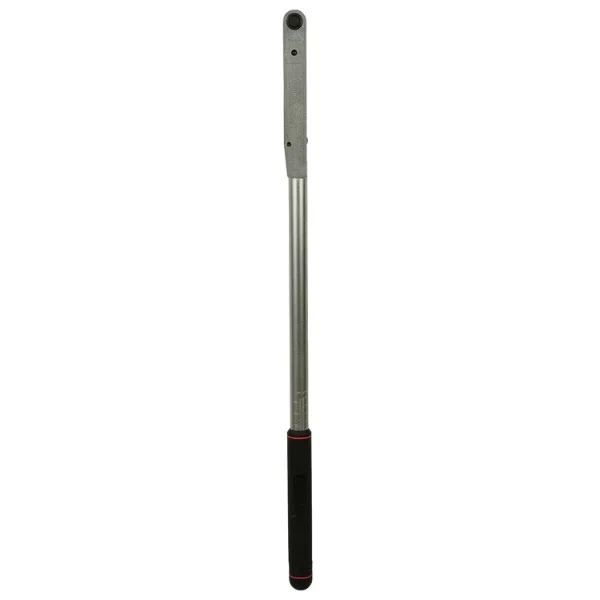
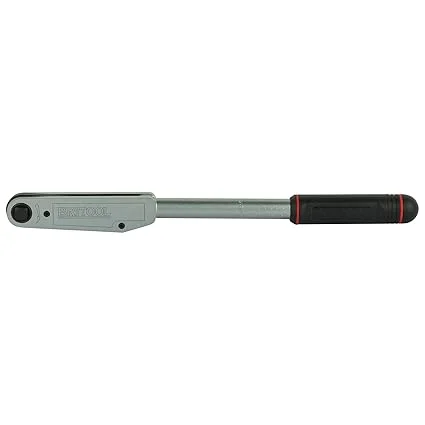
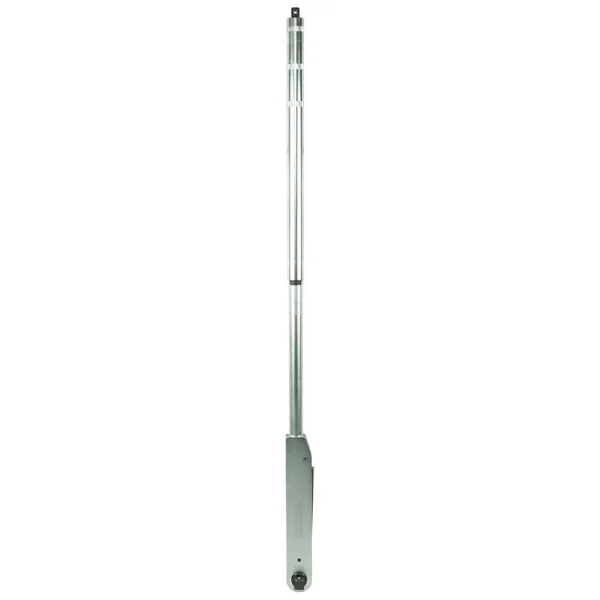
The BRITOOL AVT100A torque wrench provides a suitable range for these torque values, allowing operators to apply consistent torque without exceeding safe limits.
Failure Conditions & Misuse Risks
Torque tools must be used correctly to maintain accuracy and prevent tool damage.
Overloading
Using the tool beyond 11 Nm can damage the internal mechanism and cause permanent calibration drift.
Incorrect Torque Range Selection
Using a high-capacity torque wrench for low torque applications reduces accuracy and increases fastening variability.
Improper Storage
Leaving a click-type torque wrench set at a high torque value during storage can weaken the internal spring.
Lack of Calibration
Torque tools used in production environments require periodic calibration verification to maintain accuracy.
Material & Compatibility Table
Compatible Fastener Applications
|
Fastener Size |
Typical Torque Range |
Tool Suitability |
|
M3 |
1–3 Nm |
Partial |
|
M4 |
2–4 Nm |
Suitable |
|
M5 |
4–7 Nm |
Ideal |
|
M6 |
7–10 Nm |
Suitable |
|
M8 |
15–25 Nm |
Not Suitable |
Compatible Drive Tools
|
Accessory |
Compatibility |
|
3/8" Sockets |
Compatible |
|
3/8" Extensions |
Compatible |
|
Torque Adapters |
Use with caution |
|
Impact Sockets |
Not recommended |
Operational Handling & Installation Considerations
Proper handling ensures long-term tool accuracy.
Pre-Use Checks
Confirm torque setting before use
Inspect square drive for wear
Ensure socket engagement
During Operation
Apply force smoothly and steadily until the click is felt.
Once the click occurs, additional tightening should not be applied.
Post-Use Procedure
After use, the torque wrench should be reset to its minimum torque setting to reduce internal spring stress.
Storage
Store the tool in a dry protective case to avoid corrosion and mechanical damage.
Commercial Clarity
Industrial buyers require clear procurement information before placing enquiries.
Lead Time
Typical dispatch timelines depend on stock availability.
Availability Status |
Dispatch Time |
|
In Stock |
1–3 working days |
|
Backorder |
1–3 weeks |
Dispatch Capability
Pan-India dispatch is available through industrial logistics partners.
Shipments typically include:
torque wrench
manufacturer documentation
packaging protection
Minimum Order Quantity
|
Order Type |
MOQ |
|
Single unit purchase |
Available |
|
Bulk industrial orders |
Flexible |
Customization Availability
Customization is generally not applicable for manufacturer-specified torque tools.
However, procurement support may include:
bulk supply coordination
calibration service coordination
Compliance & Certification
Typical documentation may include:
manufacturer specification sheet
calibration certificate
product traceability information
Documentation availability may depend on manufacturer supply batch.
Tender Compatibility
This product may be supplied against:
industrial procurement orders
maintenance purchase orders
institutional tender requirements
Buyers should specify documentation requirements at enquiry stage.
Procurement Process
To process procurement efficiently, buyers should provide the following details during enquiry.
Required Enquiry Information
Product model: BRITOOL AVT100A
Quantity required
Delivery location
Application type (if technical guidance required)
Calibration certificate requirement
Typical Procurement Flow
Buyer submits enquiry
Supplier verifies availability
Quotation issued
Order confirmation
Dispatch scheduling
Comparison Table — Common Alternatives
|
Parameter |
BRITOOL AVT100A |
Higher Capacity Torque Wrench |
Preset Torque Tool |
|
Torque Range |
2.5–11 Nm |
10–60 Nm |
Fixed torque |
|
Flexibility |
Adjustable |
Adjustable |
Limited |
|
Precision Use |
High |
Moderate |
High |
|
Assembly Applications |
Electronics / instrumentation |
Automotive |
Production lines |
|
Field Maintenance |
Suitable |
Suitable |
Limited |
Selection Checklist
Before purchasing the BRITOOL AVT100A, confirm the following:
Torque requirement falls within 2.5–11 Nm
Application involves small fasteners
Precision torque control is required
3/8" drive sockets are available
Calibration verification may be required
Assembly environment demands repeatable torque
If all conditions above apply, this torque wrench range is generally appropriate.
High-Intent FAQs
What torque range is suitable for electronics assembly?
Electronics assemblies typically require torque values between 2 Nm and 8 Nm, depending on fastener size and material. A torque wrench with a 2.5–11 Nm range covers most applications within this category.
Does the BRITOOL AVT100A require calibration?
Yes. Like all precision torque tools used in industrial environments, periodic calibration verification is recommended to maintain measurement accuracy.
Can this torque wrench be used for automotive repairs?
It may be used for small automotive components such as sensor mounts or interior assemblies, but it is not suitable for high-torque applications like wheel nuts or engine bolts.
What sockets are compatible with this tool?
Any 3/8" square drive socket designed for hand tools is compatible. Impact sockets should generally be avoided unless specifically rated for torque wrench use.
How often should torque wrenches be calibrated?
Calibration intervals depend on usage frequency. Production environments may require annual or usage-based calibration verification.
Is this tool suitable for repetitive assembly operations?
Yes. Click-type torque wrenches such as the AVT100A are commonly used for repetitive tightening tasks where consistent torque application is required.
What happens if the torque wrench is overloaded?
Overloading beyond the rated torque range may damage the internal mechanism and cause loss of calibration accuracy.
Technical SpecificationsCore Tool Specifications
|
Parameter |
Specification |
|
Model |
BRITOOL AVT100A |
|
Tool Type |
Click-Type Torque Wren ch |
|
Drive Size |
3/8" Square Drive |
|
Torque Range |
2.5 – 11 Nm |
|
Torque Units |
Newton Meter (Nm) |
|
Adjustment Mechanism |
Micrometer Scale |
|
Torque Indication |
Mechanical Click |
|
Application Type |
Precision Assembly |
Accuracy & Calibration
|
Parameter |
Typical Value |
|
Accuracy Tolerance |
±4% (clockwise) |
|
Calibration Standard |
ISO torque tool standards |
|
Calibration Traceability |
Manufacturer calibration certificate |
|
Repeatability |
Suitable for repetitive assembly operations |
Physical Characteristics
|
Parameter |
Details |
|
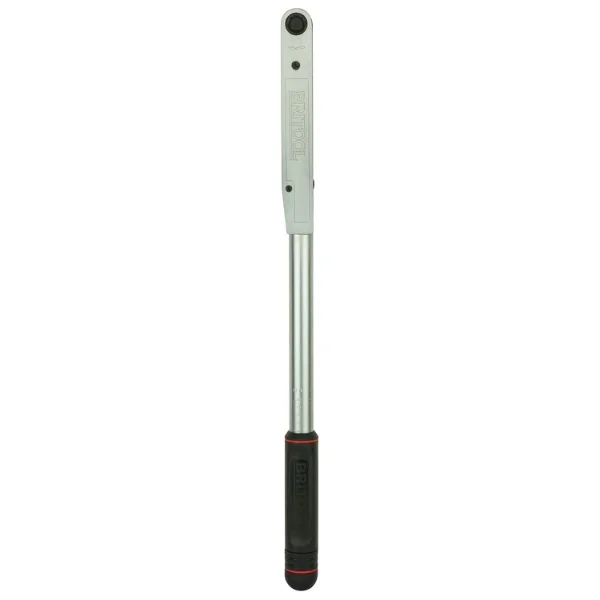
Handle Type |
Knurled grip |
|
Construction |
Hardened steel mechanism |
|
Finish |
Corrosion-resistant surface treatment |
|
Drive Retention |
Spring-loaded ball detent |







Customer reviews