



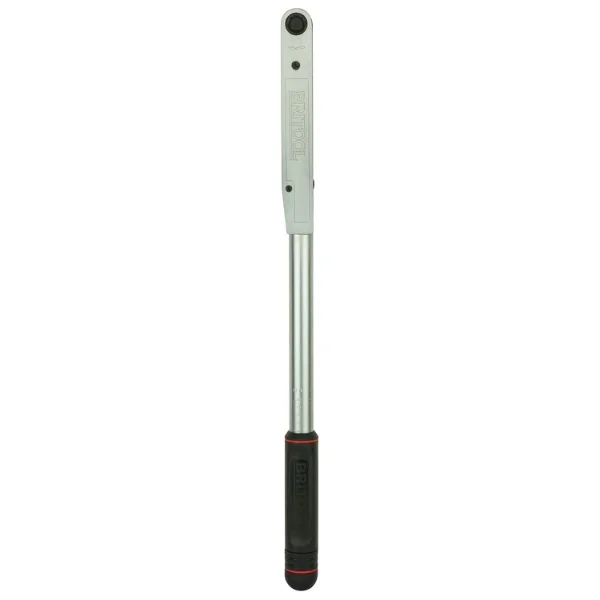
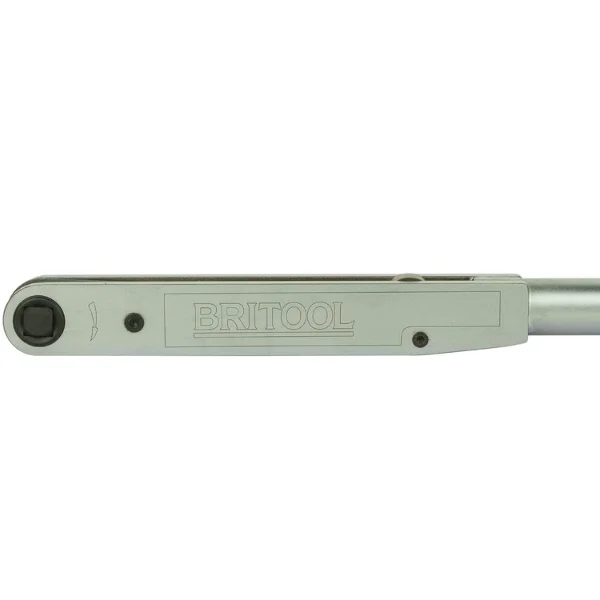
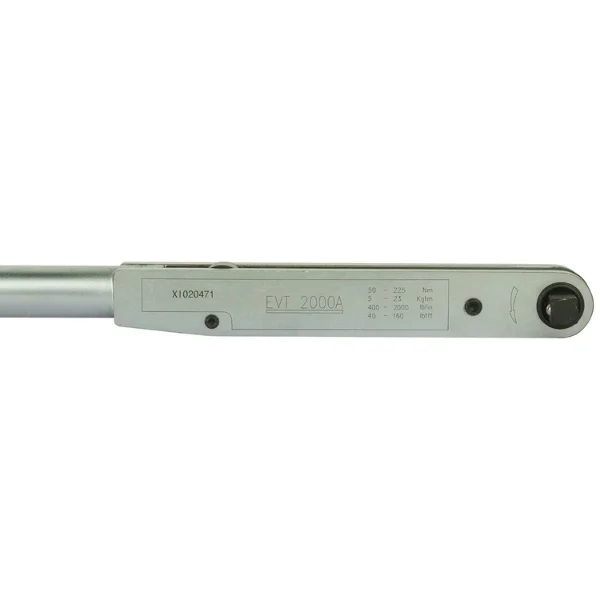
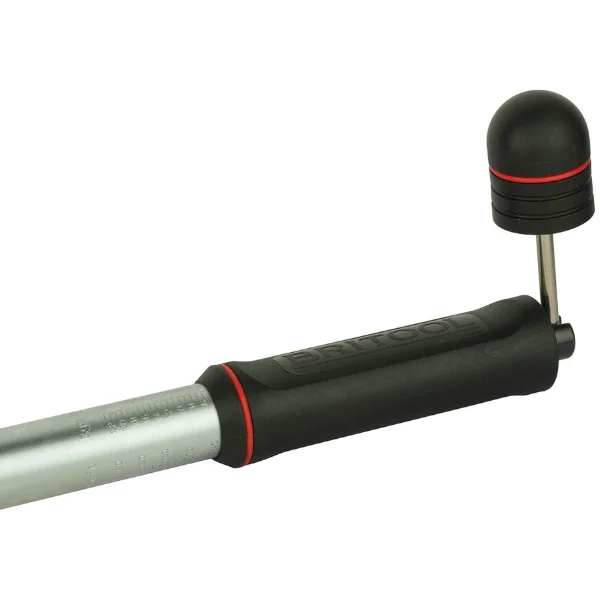
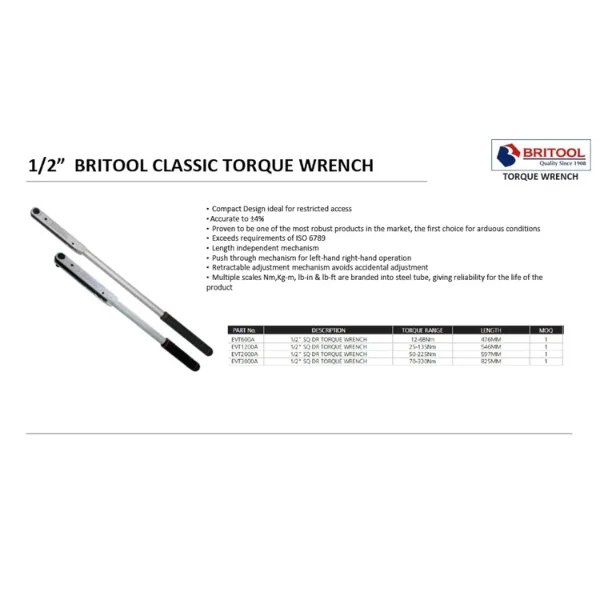
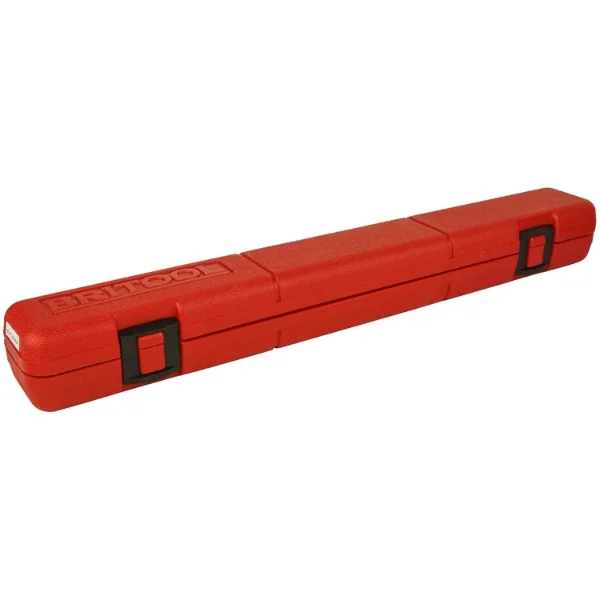
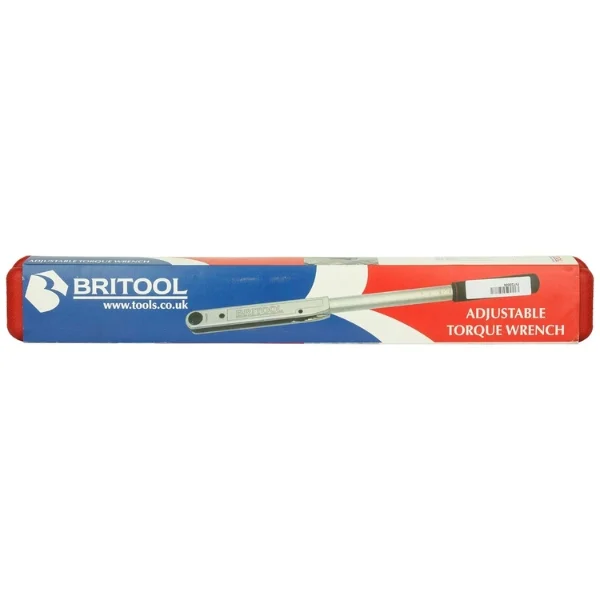
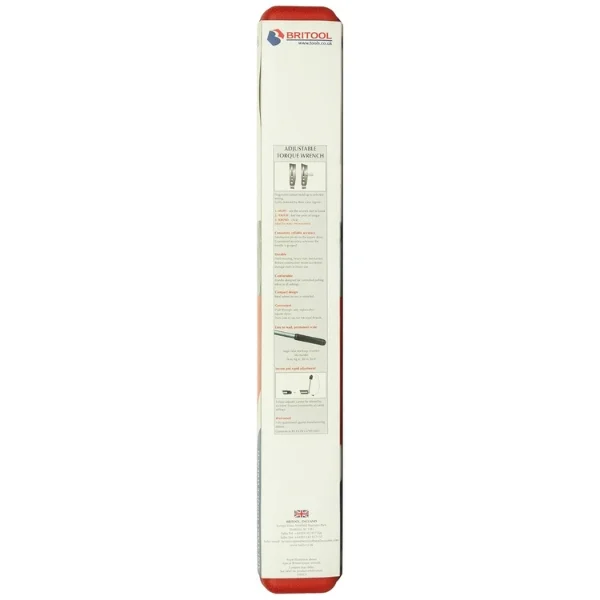



It is typically used in automotive servicing, industrial maintenance, and heavy equipment assembly where repeatable torque accuracy is required for safety-critical fasteners.
Application Context & Use Cases
Torque-controlled tightening is necessary wherever fasteners must reach a specified preload. Over-tightening can damage components, while under-tightening risks loosening during operation.
The 50–225 Nm range places the EVT2000A in the category of mid-range industrial torque tools, commonly used for automotive and mechanical assemblies.
Automotive Service Workshops
Typical workshop tasks requiring controlled torque include:
Wheel nut tightening
Suspension component assembly
Engine bracket mounting
Brake component fastening
Technicians rely on a torque wrench to ensure manufacturer-specified torque values are applied consistently across multiple vehicles.
Industrial Maintenance Departments
Maintenance teams working on pumps, compressors, and mechanical assemblies frequently require torque-controlled tightening for:
flange bolt assemblies
equipment base mounting bolts
gearbox servicing
machine component replacement
A torque wrench ensures maintenance work follows the torque requirements defined by equipment manufacturers.
Heavy Vehicle & Equipment Servicing
Service technicians working with trucks, construction equipment, and agricultural machinery use torque wrenches for:
wheel hub assembly
drivetrain component fastening
suspension fasteners
structural mounting points
These applications often fall within the 100–200 Nm torque band, which sits within the EVT2000A’s working range.
Selection Guidance — Choosing the Correct Torque Wrench
Torque wrench selection should be based on required torque range and drive compatibility with existing tools.
Torque Range Considerations
The most accurate torque readings are typically achieved between 20% and 80% of the wrench's maximum capacity.
For the EVT2000A:
Minimum effective torque: ~50 Nm
Maximum torque: 225 Nm
Ideal working band: 80–180 Nm
This makes the tool suitable for medium torque applications.
Drive Size Compatibility
The 1/2" square drive is widely used in:
automotive service tools
industrial sockets
maintenance tool kits
If the existing socket set uses 1/2" drive sockets, the EVT2000A integrates without adapters.
Application Matching
Torque Requirement |
Suitable Tool |
|
Below 40 Nm |
1/4" or 3/8" torque wrench |
|
50–225 Nm |
EVT2000A torque wrench |
|
Above 250 Nm |
Heavy-duty torque wrench |
Selecting a wrench with excessive capacity reduces measurement accuracy.
Capacity Calculation Example
Torque selection should match the tightening requirement of the fastener.
Example — Automotive Wheel Nut
Typical torque specification for passenger vehicle wheel nuts:
110–120 Nm
Using the EVT2000A:
Set torque wrench to 115 Nm
Tighten until click occurs
Apply torque in cross pattern across wheel bolts
Because the value lies in the middle of the wrench range, torque accuracy is maintained.
Example — Industrial Equipment Mounting
Equipment mounting bolts may require:
160–180 Nm torque
The EVT2000A can cover this range comfortably without approaching its upper limit.
Failure Conditions & Misuse Risks
Torque wrenches must be used correctly to maintain accuracy.
Over-Torqueing After Click
The click indicates the preset torque has been reached.
Continuing to apply force beyond the click results in:
bolt over-tightening
thread damage
tool calibration drift
Using the Tool as a Breaker Bar
Torque wrenches should not be used to loosen tight bolts.
Doing so may damage:
internal ratchet mechanism
torque calibration accuracy
Always loosen bolts using a breaker bar or ratchet.
Improper Storage
Leaving the wrench at high torque settings during storage can weaken the internal spring.
Best practice is to reset the wrench to minimum torque setting after use.
High Torque Industrial Assembly
Applications exceeding 250 Nm torque require larger tools such as:
heavy duty torque wrenches
torque multipliers
Digital Torque Monitoring Applications
Operations requiring data recording or digital verification may require digital torque wrenches instead.
Material / Compatibility Table
|
Component |
Compatibility |
|
Socket Drive |
1/2" square drive sockets |
|
Fastener Types |
Hex bolts, nuts, structural fasteners |
|
Materials |
Steel bolts, alloy bolts |
|
Industrial Use |
Automotive, machinery, mechanical assembly |
|
Accessories |
Torque wrench extension bars, sockets |
Adapters can be used to connect with other drive sizes but may affect torque accuracy.
Operational Handling & Installation Considerations
Torque accuracy depends on proper tool usage.
Correct Handling
Apply torque slowly and evenly
Maintain straight alignment with bolt axis
Stop immediately when click is felt
Use with Extensions
Socket extensions increase reach but may introduce slight torque variation depending on length and angle.
For critical applications, extensions should be minimized.
Calibration Considerations
Industrial torque wrenches require periodic calibration.
Typical calibration interval:
12 months under standard use
6 months for heavy industrial usage
Calibration ensures torque readings remain within tolerance.
Commercial Clarity
Lead Time
Most industrial torque wrenches are supplied from available distributor stock or short dispatch cycles depending on availability.
Dispatch Capability
Supply capability typically includes Pan-India shipping to workshops, industrial plants, and maintenance facilities.
Minimum Order Quantity
Standard procurement is generally single unit purchase, unless bulk procurement is required for workshop tool kits.
Customization Availability
Branded torque wrenches are not customized, as calibration and mechanical design are factory defined.
Compliance & Certification
Professional torque wrenches are supplied factory calibrated, with specifications aligned to industrial torque measurement standards.
Tender Compatibility
Procurement through institutional purchasing or maintenance contracts typically requires:
product specification sheet
commercial quotation
GST compliant invoicing
These requirements align with standard industrial procurement documentation.
Procurement Process — How to Enquire
Industrial buyers typically follow a structured procurement process.
Information to Provide During Enquiry
Providing the following information helps suppliers respond quickly:
Product model: EVT2000A
Quantity required
Delivery location
Company name and GST details (if applicable)
Typical Procurement Steps
Submit product enquiry
Receive quotation and availability confirmation
Confirm order quantity
Dispatch scheduled based on location
This process aligns with standard industrial supply workflows.
Comparison Table — EVT2000A vs Common Alternatives
|
Feature |
EVT2000A |
Lower Range Torque Wrench |
Digital Torque Wrench |
|
Torque Range |
50–225 Nm |
10–60 Nm |
Varies |
|
Drive Size |
1/2" |
3/8" |
1/2" |
|
Operation |
Mechanical click |
Mechanical click |
Digital sensor |
|
Data Recording |
No |
No |
Yes |
|
Typical Use |
Automotive / industrial assembly |
Light mechanical work |
Quality-controlled assembly |
|
Maintenance |
Calibration required |
Calibration required |
Calibration + electronics |
The EVT2000A sits in the mid-range mechanical torque category, suitable for most automotive and maintenance environments.
Selection Checklist (Decision Validation)
Before selecting the EVT2000A torque wrench, verify the following:
Required torque range falls within 50–225 Nm
Existing socket tools use 1/2" drive
Application requires mechanical click-type torque control
Calibration requirements align with workshop procedures
Fastener tightening requires repeatable torque accuracy
Tool will be used for tightening rather than loosening
If all conditions are satisfied, the wrench fits the application.
High-Intent FAQs
What torque range does the EVT2000A cover?
The EVT2000A torque wrench operates between 50 Nm and 225 Nm, covering mid-range torque applications such as automotive wheel bolts and industrial mechanical fasteners.
Is the EVT2000A suitable for automotive wheel tightening?
Yes. Most passenger vehicle wheel nuts require 90–130 Nm, which lies within the working range of the wrench.
Does the torque wrench require calibration?
Yes. Torque wrenches should typically be calibrated every 12 months, or sooner for heavy usage.
Can the EVT2000A loosen bolts?
No. Torque wrenches should not be used to loosen bolts, as this may damage the internal torque mechanism.
What drive sockets are compatible with this wrench?
The tool uses a 1/2 inch square drive, compatible with standard 1/2" industrial sockets.
Is this tool suitable for heavy construction equipment?
For torque requirements above 225 Nm, a higher-capacity torque wrench or torque multiplier should be used.
Technical Configuration Overview
Technical Specifications
Product Specifications
|
Parameter |
Specification |
|
Model |
EVT2000A |
|
Brand |
Britool |
|
Drive Size |
1/2" Square Drive |
|
Torque Range |
50–225 Nm |
|
Torque Type |
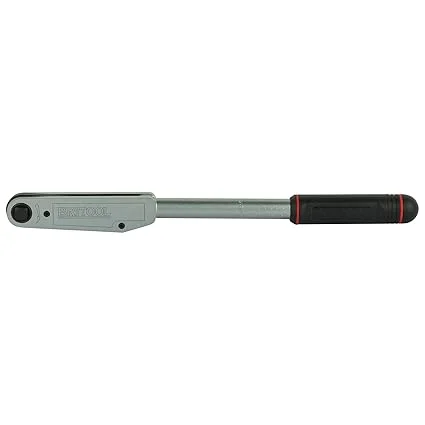
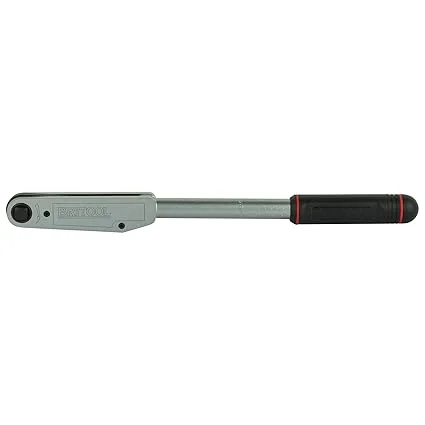
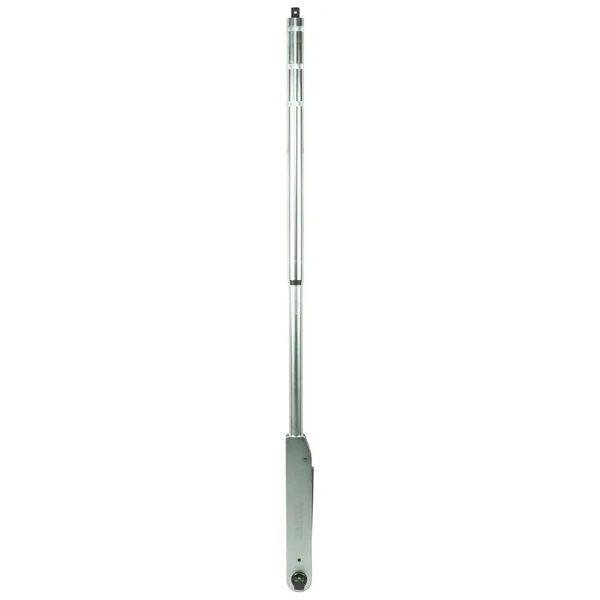
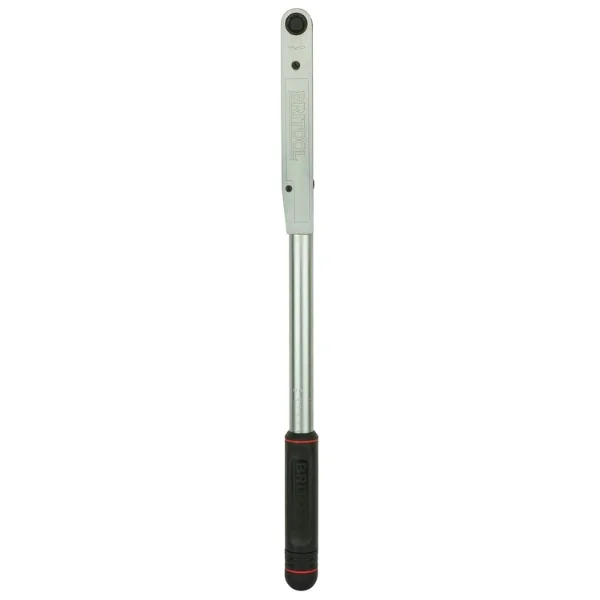
Click-type adjustable torque wrench |
|
Measurement Unit |
Newton Meter (Nm) |
|
Adjustment Mechanism |
Mechanical micrometer scale |
|
Operation Direction |
Typically clockwise torque |
|
Construction |
Hardened steel body |
|
Handle Type |
Knurled grip for adjustment control |
|
Calibration |
Factory calibrated |
Physical Characteristics
|
Attribute |
Details |
|
Tool Type |
Mechanical torque wrench |
|
Adjustment Method |
Rotational handle adjustment |
|
Torque Indication |
Audible / tactile click |
|
Locking Mechanism |
Torque setting lock |
|
Industrial Use |
Workshop and maintenance operations |






Customer reviews