



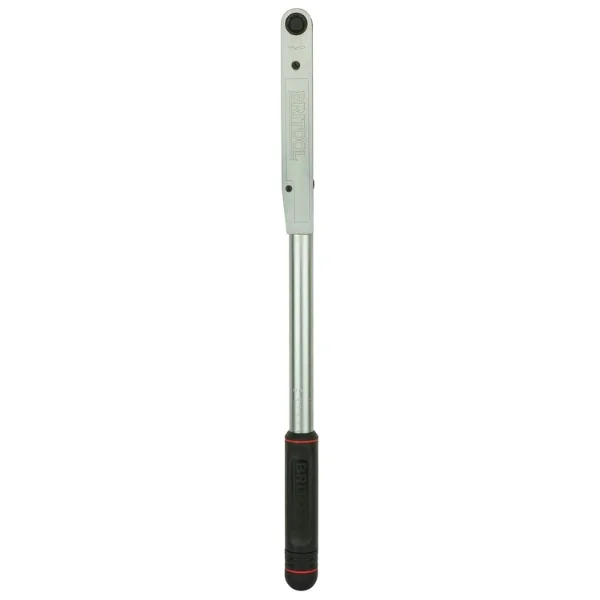
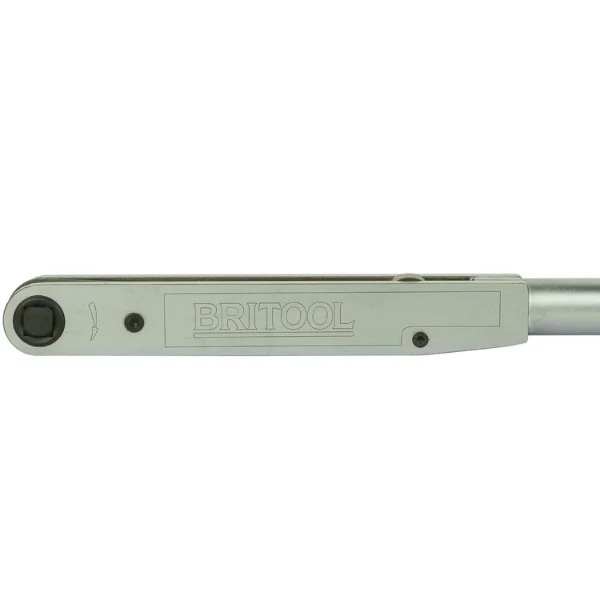
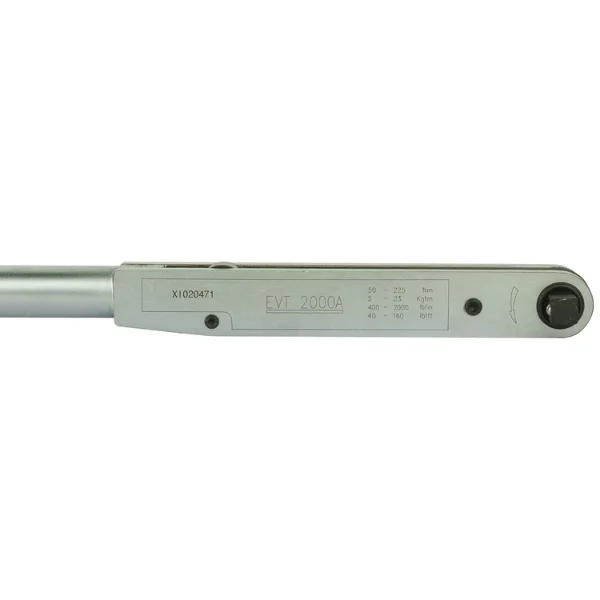
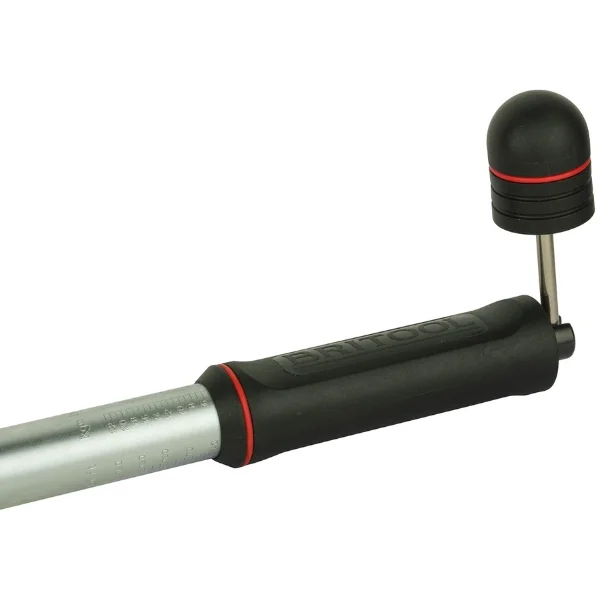
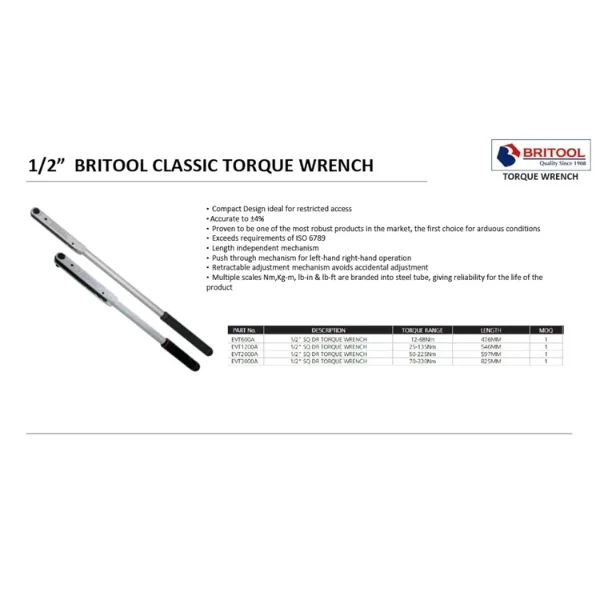
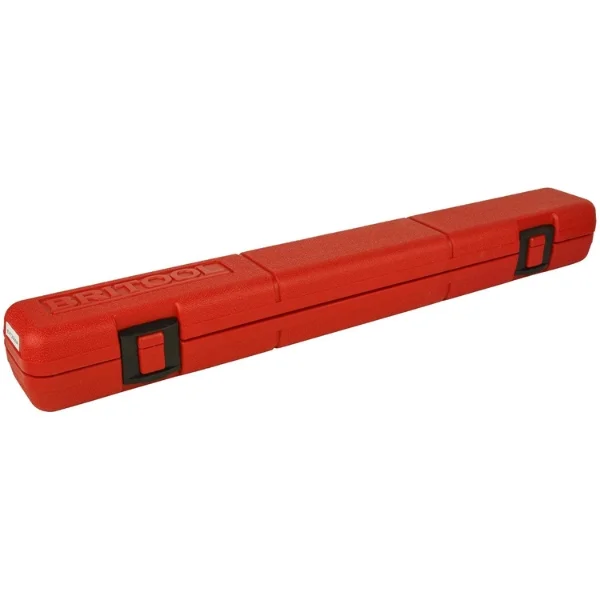
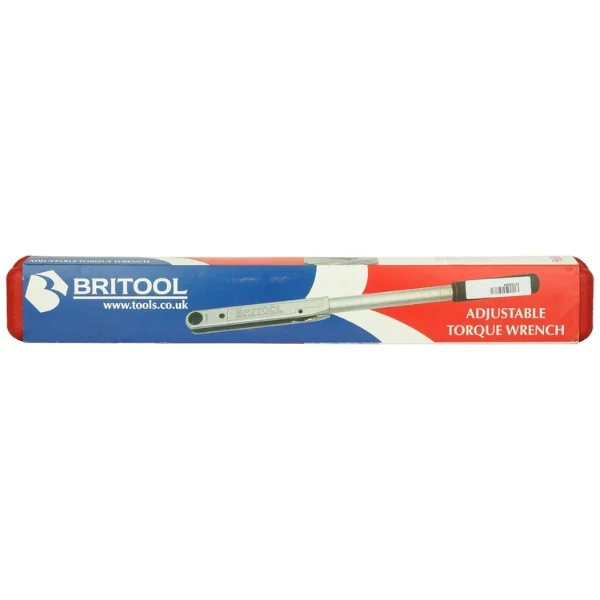
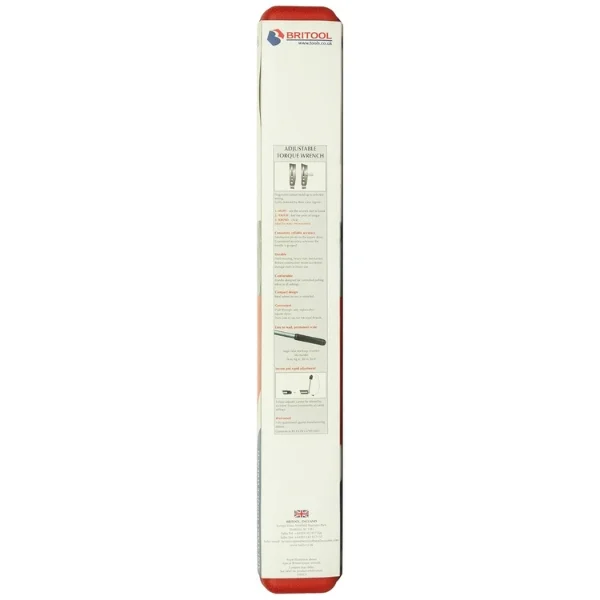



It is used in automotive and industrial maintenance environments where fasteners must be tightened to a controlled torque value to prevent mechanical failure, over-tightening, or thread damage.
Application Context & Use Cases
The torque range of 25–135 Nm places this tool in the mid-range category used for routine mechanical assembly and maintenance tasks.
Automotive Maintenance
Typical workshop applications include:
Passenger vehicle wheel bolt tightening
Engine mounting bolts
suspension assembly components
transmission housing bolts
These components often require torque values between 80–120 Nm, which falls within the working range of the tool.
Industrial Equipment Maintenance
Maintenance technicians commonly use this torque range for:
machine frame fasteners
motor mounting bolts
gearbox assembly hardware
mechanical coupling installation
The controlled torque mechanism ensures bolts reach specified tension without exceeding mechanical limits.
Equipment Installation
During installation of pumps, motors, and compressors, manufacturers specify tightening torque values to maintain alignment and prevent vibration loosening.
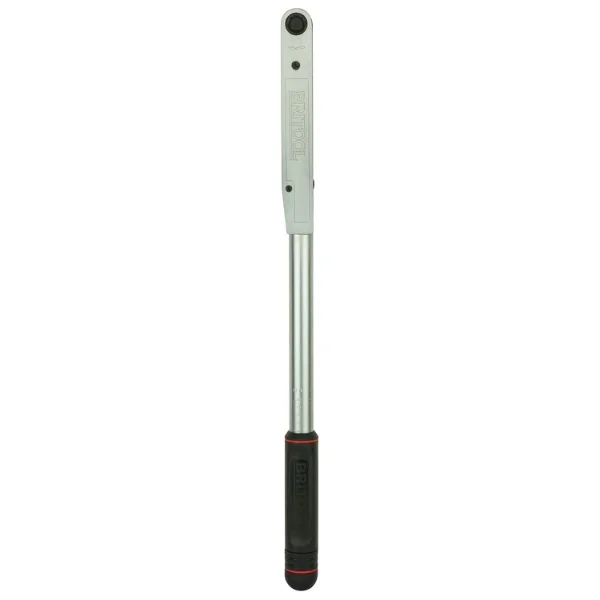
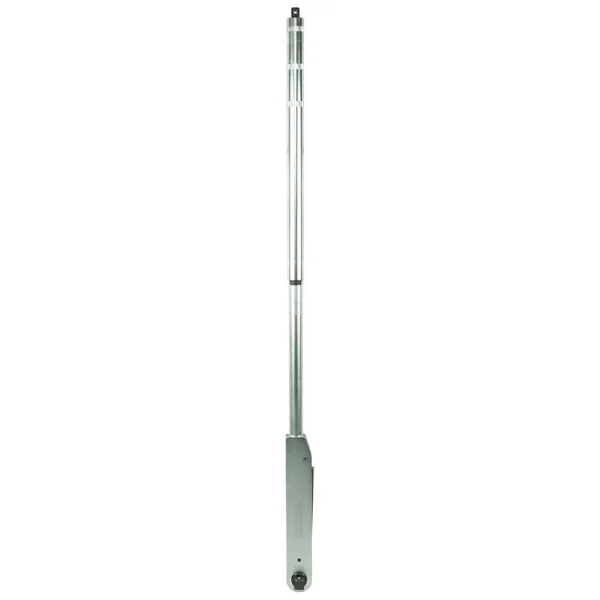
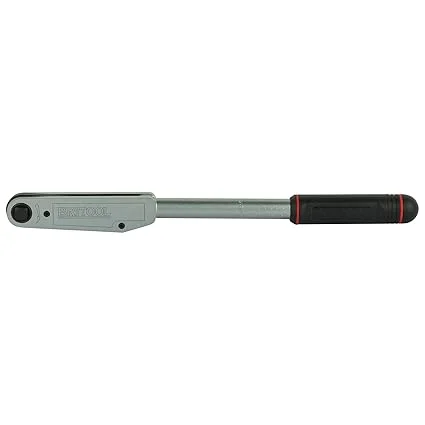
The Britool EVT1200A Torque Wrench is frequently used in such installation environments.
Selection Guidance
Choosing the correct torque wrench depends primarily on torque range compatibility with the application.
Torque Range Suitability
A torque wrench should normally operate within 20–80% of its maximum capacity for best accuracy.
For the 25–135 Nm range, optimal usage occurs between:
30 Nm – 110 Nm
Applications consistently requiring torque above 120 Nm may require a higher capacity tool.
Drive Size Compatibility
The 1/2" square drive format is widely used in automotive workshops because it supports:
wheel sockets
heavy-duty mechanical fasteners
industrial bolts
Smaller drive sizes may not provide sufficient mechanical leverage.
Calibration Consideration
Torque tools used in professional maintenance environments should be periodically calibrated to maintain accuracy.
Typical calibration cycles range from:
every 12 months, or
after 5,000 torque cycles
Capacity / Calculation Example
Wheel Bolt Torque Example
Many passenger vehicle wheel bolts require tightening between 100–120 Nm.
Example tightening procedure:
Set torque wrench to 110 Nm.
Install wheel bolts using a socket.
Tighten bolts in a cross pattern.
Stop when the wrench produces the click signal.
This ensures the wheel assembly maintains uniform clamping force.
Motor Mount Bolt Example
An industrial motor mount may require torque of 75 Nm.
Calculation considerations include:
bolt diameter
thread pitch
material strength
The Britool EVT1200A Torque Wrench provides adequate torque range for such assemblies.
Failure Conditions & Misuse Risks
Incorrect use of torque tools can lead to inaccurate results.
Over-Torqueing
Applying torque beyond the set limit may occur if:
users ignore the click signal
additional force is applied after the click
This can lead to:
bolt stretch
thread damage
component distortion
Operating Outside Range
Using the wrench below 25 Nm or near maximum capacity repeatedly can reduce accuracy.
Improper Storage
Torque wrenches should be stored with the setting returned to minimum torque value.
Leaving the tool at high torque settings can fatigue the internal spring.
Precision Low Torque Applications
Electronics or small mechanical components requiring torque below 20 Nm should use:
smaller torque drivers
low-range torque wrenches
Hydraulic Torque Applications
Industrial flange bolts in pipelines often require hydraulic torque tools, not manual click-type wrenches.
Material / Compatibility Table
|
Component |
Material |
Compatibility |
|
Torque Wrench Body |
Hardened alloy steel |
Industrial environments |
|
Ratchet Head |
Hardened steel |
Standard sockets |
|
Adjustment Mechanism |
Spring-loaded assembly |
Manual torque setting |
|
Drive Interface |
1/2" square drive |
Automotive / mechanical sockets |
Operational Handling & Installation Considerations
Proper Grip Position
Operators should apply force at the handle grip area, not near the ratchet head.
This ensures correct leverage.
Smooth Force Application
Torque should be applied gradually until the wrench produces the click sound.
Jerking or sudden force can affect torque accuracy.
Socket Compatibility
Only 1/2" drive sockets should be used.
Adapters may introduce torque inaccuracies.
Commercial Clarity
Lead Time
For standard tools such as the Britool EVT1200A Torque Wrench, supply typically depends on:
distributor inventory
manufacturer stock availability
Dispatch Capability
Supply can be arranged with Pan-India dispatch through industrial logistics networks.
Delivery coverage typically includes:
automotive workshops
maintenance contractors
industrial facilities
Minimum Order Quantity (MOQ)
Usually 1 unit, unless bulk supply is requested.
Customization Availability
Standard torque wrenches are supplied as manufacturer-specified tools.
Customization is generally limited to:
calibration certificates
bulk procurement requirements
Compliance / Certification
Mechanical torque wrenches typically follow internationally accepted accuracy standards.
Calibration certificates may be available depending on procurement requirements.
Tender Compatibility
Industrial procurement or government tenders may require:
manufacturer specifications
technical compliance documentation
supplier credentials
Documentation can be provided during procurement evaluation.
Procurement Process
Information Required for Enquiry
To process supply requests efficiently, procurement teams should provide:
product model (EVT1200A)
quantity required
delivery location
company name
GST details (if applicable)
Enquiry Flow
Submit RFQ with quantity and delivery location.
Supplier verifies product availability.
Quotation issued with delivery timeline.
Order confirmation and dispatch.
Comparison Table (Common Alternatives)
|
Feature |
Britool EVT1200A |
Generic Torque Wrench |
Higher Range Torque Wrench |
|
Torque Range |
25–135 Nm |
20–200 Nm |
60–300 Nm |
|
Drive Size |
1/2" |
1/2" |
1/2" or 3/4" |
|
Accuracy |
±4% |
±4–6% |
±4% |
|
Application |
Automotive & industrial maintenance |
General workshop use |
Heavy machinery |
|
Precision |
Moderate-high |
Variable |
High for large bolts |
Selection Checklist
Before purchasing a torque wrench, confirm the following:
Required torque range falls within 25–135 Nm
Fastener size is compatible with 1/2" drive sockets
torque accuracy tolerance meets maintenance requirements
tool calibration procedures are available
supplier can dispatch to the required location
High-Intent FAQs
Is the Britool EVT1200A suitable for tightening wheel nuts?
Yes. Many passenger vehicle wheel bolts require torque between 100–120 Nm, which falls within the operating range of the Britool EVT1200A Torque Wrench.
Can the torque wrench be used for both tightening and loosening?
Torque wrenches are designed primarily for controlled tightening. Loosening fasteners with a torque wrench is generally not recommended.
What accuracy can be expected from this torque wrench?
Mechanical click-type torque wrenches typically provide ±4% torque accuracy when properly calibrated and used within the recommended range.
Does the torque wrench require calibration?
Yes. Professional maintenance environments usually recalibrate torque tools annually or after significant usage cycles.
What sockets can be used with this tool?
The tool uses a 1/2-inch square drive, making it compatible with standard automotive and industrial sockets.
Can the torque range be adjusted easily?
Yes. The torque value can be adjusted using the micrometer scale handle adjustment and then locked to prevent accidental changes.
Is a calibration certificate available?
Calibration documentation may be available depending on procurement requirements and supplier calibration services.
Technical Configuration Overview
Technical Specifications
Core Tool Characteristics
Parameter |
Specification |
|
Model |
Britool EVT1200A |
|
Drive Size |
1/2 inch Square Drive |
|
Torque Range |
25–135 Nm |
|
Torque Mechanism |
Click-Type Mechanical |
|
Adjustment Type |
Micrometer Scale Adjustment |
|
Accuracy |
±4% (typical for mechanical click torque wrenches) |
|
Direction |
Usually clockwise torque application |
|
Handle Type |
Knurled grip for control |
|
Locking Mechanism |
Torque adjustment locking ring |
Dimensional and Mechanical Characteristics
Attribute |
Typical Value |
|
Overall Length |
Approx. 400–450 mm |
|
Weight |
Approx. 1–1.5 kg |
|
Construction |
Hardened steel body |
|
Handle Material |
Steel / coated grip |
|
Ratchet Type |
Reversible ratchet head |
|
Drive Compatibility |
Standard 1/2" sockets |







Customer reviews