



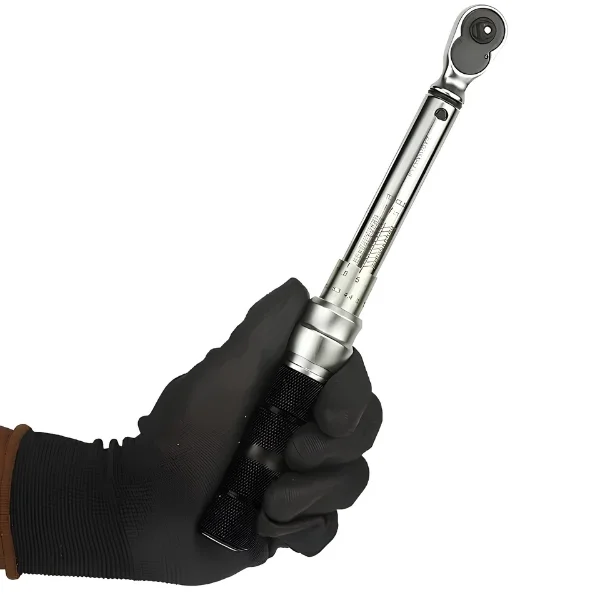
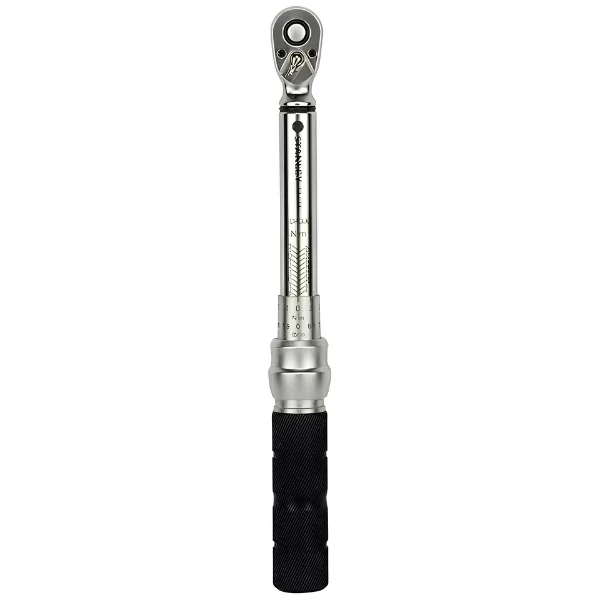
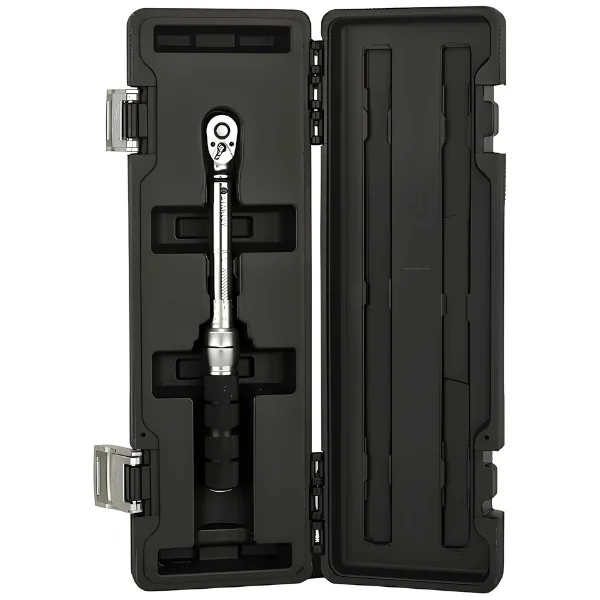
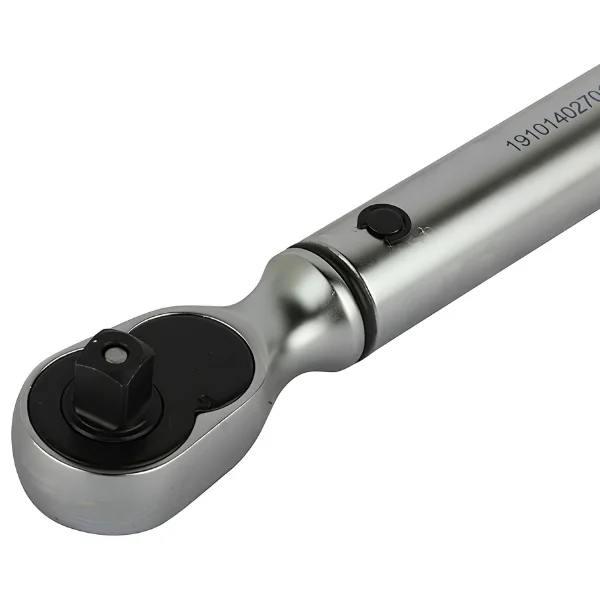
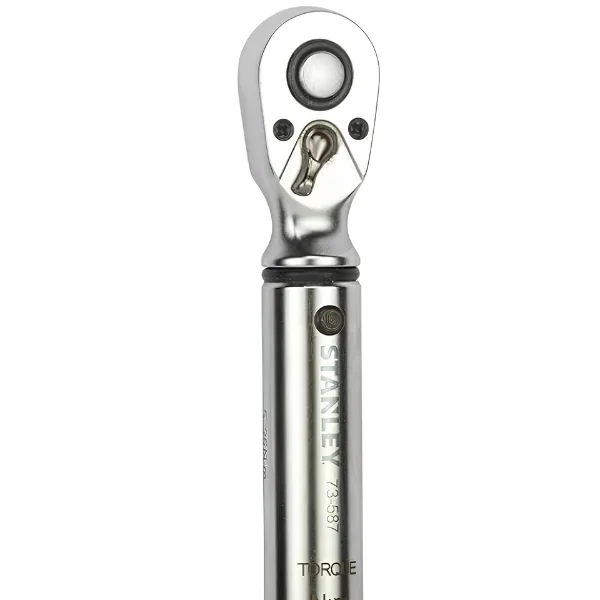


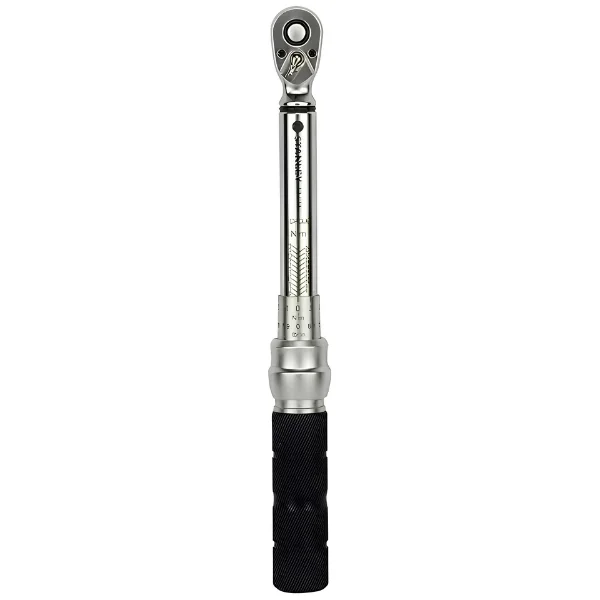
With ±3% torque accuracy and a 3/4-inch square drive, it is used for structural bolting, heavy machinery assembly, and maintenance applications where precise torque control is required.
Application Context & Use Cases
High-capacity torque tools are required in industries where large fasteners must be tightened to specified torque values to maintain mechanical integrity and safety compliance.
Typical Industrial Applications
Heavy Equipment Assembly
Used during installation of:
earthmoving equipment
mining machinery
industrial presses
fabrication equipment
Precise torque ensures fasteners maintain preload during vibration and heavy loads.
Power Generation Maintenance
Applications include:
turbine casing bolts
generator frame fasteners
foundation anchor bolts
Incorrect torque can lead to alignment issues and structural stress.
Structural Bolting
Industrial construction projects frequently require torque values above 500 Nm.
Common examples:
steel structure connections
bridge infrastructure components
heavy equipment supports
Flange Tightening
In industries such as petrochemicals and power plants, torque tools are used for:
pipeline flange bolts
pressure vessel connections
Controlled tightening ensures leak-free sealing.
Selection Guidance (How to Choose Correctly)
Selecting a torque wrench requires matching the torque range to the fastener torque specification.
Torque Range Matching
Best practice:
The working torque should fall between 20% and 80% of the wrench capacity.
Example:
Torque requirement: 600 Nm
Tool range: 150–750 Nm
This range provides optimal accuracy and tool life.
Drive Size Compatibility
The 3/4" drive is suited for:
large socket sizes
heavy industrial fasteners
Typical socket sizes supported:
32 mm – 55 mm
Adapters may be used but are not recommended for critical torque operations.
Accuracy Requirements
Industrial torque tools are typically required to maintain ±3% accuracy.
This accuracy ensures:
correct bolt preload
reduced loosening risk
consistent assembly quality.
Capacity / Calculation Example
Real-World Torque Calculation
Consider a structural bolt M30 grade 8.8.
Typical torque specification:
~650 Nm.
Using a torque wrench with capacity 150–750 Nm allows:
precise setting at 650 Nm
safe operation without exceeding maximum capacity.
Tool Margin Consideration
Operating near the maximum capacity reduces accuracy.
Example:
If torque required is 720 Nm, a higher range wrench (up to 1000 Nm) may be preferred.
Failure Conditions & Misuse Risks
Torque tools must be used correctly to maintain accuracy.
Common Misuse Scenarios
Using Extension Pipes
Applying a pipe extension on the handle changes the torque applied and damages calibration.
Using Torque Wrench for Loosening
Torque wrenches are designed for tightening only. Using them for loosening bolts may damage the internal mechanism.
Operating Above Maximum Capacity
Exceeding 750 Nm can:
damage ratchet teeth
permanently affect calibration.
Improper Storage
Leaving the wrench set at maximum torque compresses the internal spring and reduces accuracy.
Recommended storage:
Reset to minimum torque value after use.
Material / Compatibility Table
Compatible Fastener Applications
|
Fastener Type |
Suitable |
|
High-tensile structural bolts |
Yes |
|
Industrial flange bolts |
Yes |
|
Heavy equipment fasteners |
Yes |
|
Automotive lug nuts |
Limited |
|
Precision machine fasteners |
Not recommended |
Compatible Socket Materials
|
Socket Type |
Compatibility |
|
Impact sockets |
Yes |
|
Chrome vanadium sockets |
Yes |
|
Thin wall sockets |
Limited |
|
Adaptors |
Avoid if possible |
Operational Handling & Installation Considerations
Proper Torque Application Procedure
Set required torque on the handle scale
Lock adjustment mechanism
Attach appropriate socket
Apply smooth force until audible click
Stop applying force immediately after click
Calibration Maintenance
Industrial torque tools should be calibrated:
every 12 months, or
after 5000 tightening cycles
Calibration ensures continued accuracy.
Environmental Considerations
Avoid using torque wrenches in:
corrosive environments
extreme heat conditions
dusty environments without proper protection
Commercial Clarity
Lead Time
Typical dispatch timeline:
2–5 working days, depending on stock availability.
Dispatch Capability
Supply capability across Pan India industrial locations, including:
project sites
manufacturing plants
engineering workshops.
Minimum Order Quantity (MOQ)
Standard supply:
1 unit onwards
Bulk supply possible for industrial procurement.
Customization Availability
Customization is generally not applicable for branded torque tools.
However, procurement support may include:
bulk order coordination
scheduled deliveries.
Compliance / Certification
Supplied tools include:
manufacturer identification markings
factory calibration.
Tender Compatibility
Industrial procurement and tender participation may require:
product specifications
brand documentation
supplier details.
These can be provided during enquiry.
Procurement Process
Industrial buyers typically provide the following information during enquiry.
Required Procurement Details
Provide:
model number (STMT73592-1-8)
quantity required
delivery location
project or maintenance application (optional)
Order Confirmation Flow
Technical confirmation of model
Availability verification
Quotation issuance
Purchase order confirmation
Dispatch scheduling
Comparison Table
Comparison with Common Alternatives
|
Parameter |
STMT73592-1-8 |
1/2" Torque Wrench |
Hydraulic Torque Tool |
|
Torque Range |
150–750 Nm |
Up to ~300 Nm |
1000+ Nm |
|
Drive Size |
3/4 inch |
1/2 inch |
Hydraulic cassette |
|
Portability |
High |
High |
Low |
|
Accuracy |
±3% |
±4% |
±3% |
|
Power Source |
Manual |
Manual |
Hydraulic pump |
|
Typical Use |
Heavy industrial |
Automotive |
Ultra-heavy bolting |
Selection Checklist
Before procuring this torque wrench, confirm the following:
Required torque falls within 150–750 Nm
Fastener size compatible with 3/4 drive sockets
Mechanical click torque wrench is acceptable for the application
Calibration interval fits maintenance schedule
Operator trained in torque tightening procedure
High-Intent FAQs
Is this torque wrench suitable for structural bolting?
Yes. The torque range of 150–750 Nm is commonly used for structural bolts such as M24–M30 depending on bolt grade.
Does the tool require calibration after purchase?
The tool is factory calibrated. However, industrial use typically requires recalibration every 12 months or 5000 cycles.
Can this wrench be used for loosening bolts?
No. Torque wrenches should only be used for tightening to a specified torque value.
What sockets are compatible with this wrench?
Standard 3/4 inch drive sockets are compatible. Impact-rated sockets are recommended for heavy industrial applications.
Is this suitable for automotive wheel nuts?
It can be used for heavy commercial vehicle applications but is generally oversized for passenger vehicle lug nuts.
Can this torque wrench be used with extensions?
Socket extensions may be used. However, handle extensions should not be used as they alter torque values.
What industries typically use this torque wrench?
Common industries include:
heavy engineering
power generation
infrastructure construction
mining equipment maintenance
Technical SpecificationsCore Tool Specifications
|
Parameter |
Specification |
|
Model |
STMT73592-1-8 |
|
Drive Size |
3/4 inch square drive |
|
Torque Range |
150 – 750 Nm |
|
Accuracy |
±3% clockwise |
|
Type |
Mechanical click torque wrench |
|
Measurement Units |
Newton meter (Nm) |
|
Ratchet Mechanism |
Reversible |
|
Adjustment Method |
Micrometer scale handle |
|
Construction |
Hardened alloy steel body |
|
Calibration |
Factory calibrated |
Mechanical Characteristics
|
Feature |
Description |
|
Torque Indication |
Audible click at preset torque |
|
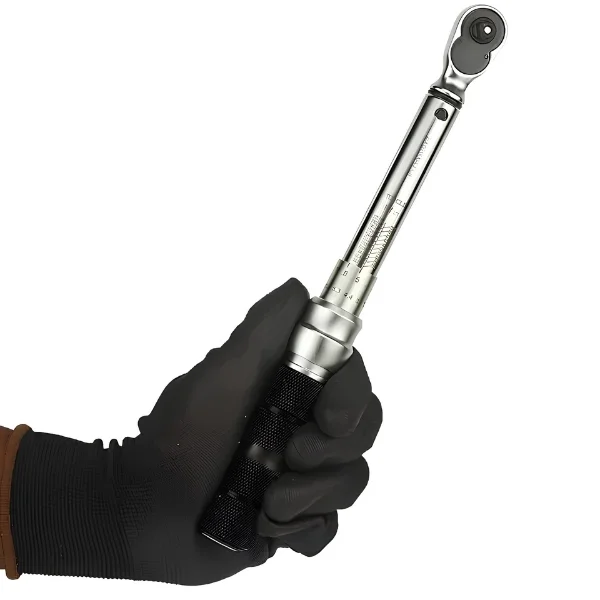
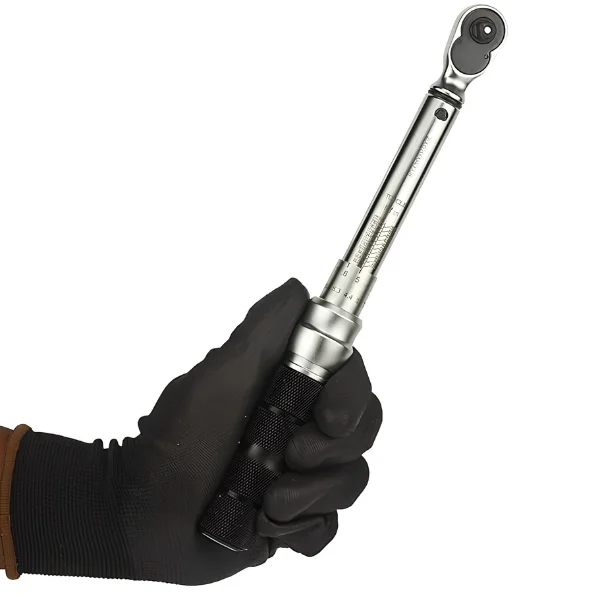
Handle Design |
Knurled grip for controlled adjustment |
|
Ratchet Teeth |
High-strength ratchet mechanism |
|
Scale Visibility |
Dual scale engraved markings |
|
Locking System |
Handle lock for torque retention |






Customer reviews