



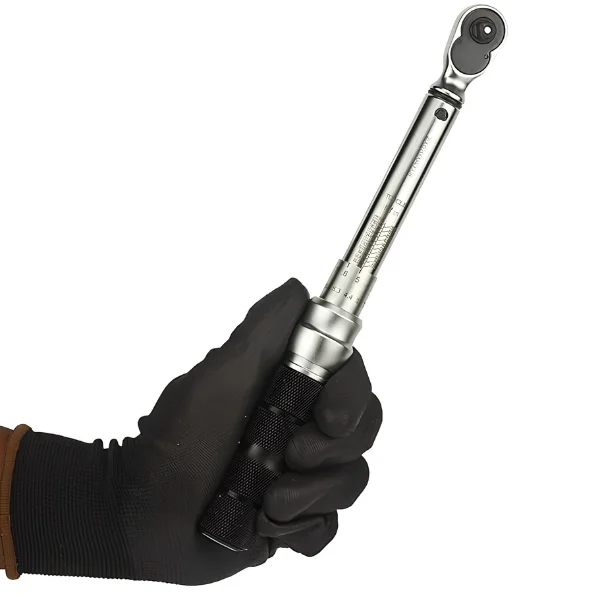
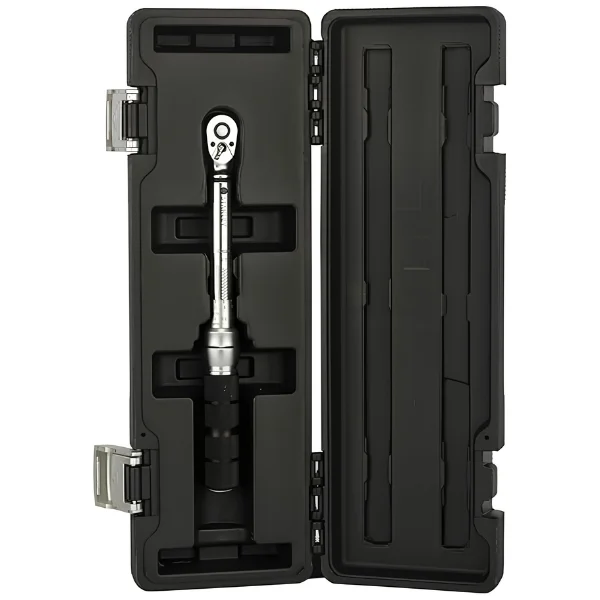
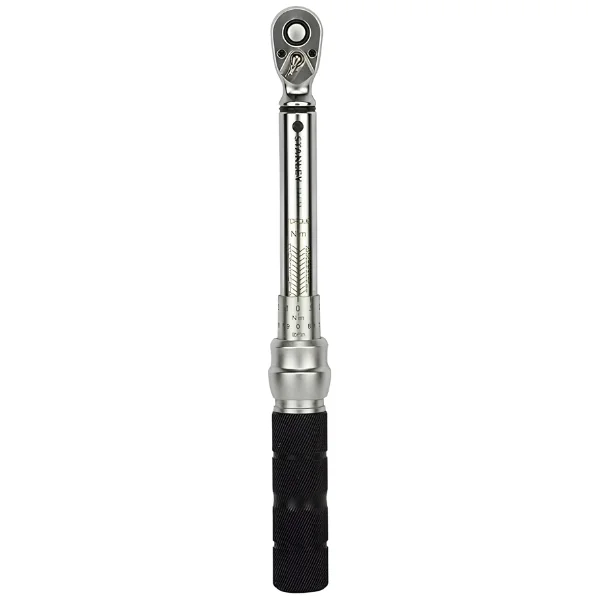
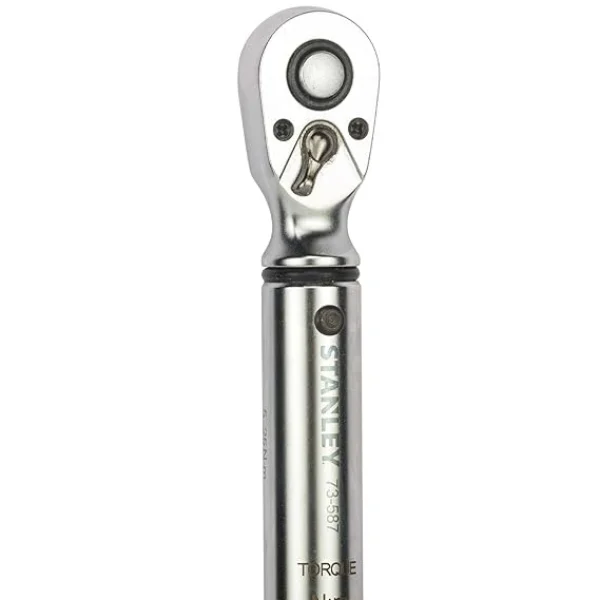


It is commonly used in automotive service, motorcycle engine work, electronics assembly, and maintenance environments where low torque accuracy is required.
Application Context & Use Cases
Torque-controlled fastening is required where bolt preload directly affects mechanical reliability. In low-torque applications, overtightening can strip threads or distort components, while undertightening can cause joint loosening.
Typical Industrial Use Cases
Motorcycle & Two-Wheeler Engine Assembly
Small engine components often require torque values between 6–20 Nm. Examples include:
Cam cover bolts
Engine side covers
Brake components
Sensor brackets
Using a calibrated torque wrench prevents thread damage in aluminum engine housings.
Automotive Service & Maintenance
In automotive repair environments, this torque range supports:
Interior fasteners
Electronic modules
Plastic component mounting
Fuel system components
Low-torque fasteners are sensitive to overtightening when conventional spanners are used.
Electronics and Electrical Assembly
In precision equipment assembly:
Control panels
PCB mounting hardware
Electrical enclosures
Consistent torque prevents component deformation.
Precision Mechanical Maintenance
Maintenance engineers often use this torque range when servicing:
instrumentation housings
small mechanical assemblies
lightweight machine components
Selection Guidance (How to Choose Correctly)
Choosing the correct torque wrench requires matching the fastener torque requirement with the wrench operating range.
Torque Range Principle
Torque wrenches perform most accurately within 20–80% of their rated range.
For the STMT73587-1-8:
Minimum effective torque: ~6 Nm
Optimal working range: 8–20 Nm
When This Model Is Suitable
Use this wrench if your torque specifications fall within:
6–22 Nm typical working torque
This range is common for:
small engine components
electronics assemblies
lightweight mechanical brackets
When a Different Torque Range Is Required
Applications requiring:
below 4 Nm
above 25 Nm
should use different torque wrench ranges to maintain accuracy.
Capacity / Calculation Example
Motorcycle Engine Cover Example
Suppose an engine cover bolt requires 12 Nm tightening torque.
Using the STMT73587-1-8:
Set the torque wrench to 12 Nm on the scale.
Apply steady force until the click signal occurs.
Stop immediately after the click.
This ensures bolt preload remains within the specified tolerance.
Why Controlled Torque Matters
Without a torque wrench:
overtightening may strip aluminum threads
under tightening may cause oil leaks or vibration loosening
Failure Conditions & Misuse Risks
Torque tools must be used within operational limits to maintain accuracy.
Common Misuse Conditions
Using the Tool Beyond Rated Range
Applying torque above 25 Nm can damage the internal spring mechanism.
Using for Loosening Bolts
Torque wrenches are designed primarily for tightening operations.
Using them to break loose bolts may cause calibration drift.
Improper Storage
Leaving the wrench set at high torque values during storage can:
fatigue the internal spring
reduce accuracy over time
Proper practice is to return the setting to the minimum value after use.
Sudden Impact Loading
Applying sudden force or hammering can damage internal mechanisms.
Torque application should always be smooth and controlled.
Material / Compatibility Table
|
Component |
Compatibility |
|
Fastener Types |
Hex bolts, socket head bolts, machine screws |
|
Socket Compatibility |
1/4″ drive sockets |
|
Assembly Materials |
Aluminum, steel, plastic assemblies |
|
Typical Industries |
Automotive service, electronics assembly, maintenance |
|
Compatible Accessories |
Extensions, universal joints (with caution for torque accuracy) |
Using extensions or adapters may slightly influence torque accuracy.
Operational Handling & Installation Considerations
Correct usage practices improve torque accuracy and tool longevity.
Setting the Torque
Unlock adjustment mechanism
Rotate handle to required torque value
Lock adjustment before use
Applying Torque
Use steady, slow force
Stop immediately after the click signal
Avoid additional tightening after the click
Storage
Recommended storage practice:
Set wrench to minimum torque value
Store in protective case
Avoid moisture exposure
Regular calibration verification is recommended in industrial environments.
Commercial Clarity
This page is structured for industrial procurement enquiries.
Lead Time
Typical dispatch availability depends on current inventory status.
Dispatch Capability
Supply can be arranged for Pan-India industrial locations, including manufacturing clusters and service workshops.
Minimum Order Quantity (MOQ)
Single-unit procurement is generally possible for professional tools.
Bulk supply may be supported for:
workshops
maintenance teams
distributors
Customization Availability
As a standard branded torque tool, customization is not applicable.
Compliance / Certification
The tool is manufactured to professional torque accuracy standards and factory calibrated.
Tender Compatibility
Procurement teams requiring torque tools for:
maintenance departments
technical service teams
institutional workshops
may include this specification in tender documentation.
Procurement Process (How to Enquire)
Industrial buyers typically provide the following information during enquiry.
Required Details
Product model: STMT73587-1-8
Required quantity
Delivery location
Company name
GST billing requirements
Providing accurate information allows faster quotation processing.
Comparison Table (vs Common Alternatives)
|
Feature |
STANLEY STMT73587-1-8 |
Higher Torque Wrench |
Digital Torque Wrench |
|
Torque Range |
5–25 Nm |
20–200 Nm |
Varies |
|
Drive Size |
1/4″ |
1/2″ |
Varies |
|
Accuracy |
±3% |
±3–4% |
±1–2% |
|
Mechanism |
Click type |
Click type |
Electronic |
|
Best Use |
Precision small fasteners |
Automotive heavy bolts |
Quality inspection |
|
Cost Range |
Moderate |
Moderate |
Higher |
Click-type torque wrenches remain widely used due to simplicity and reliability.
Selection Checklist (Decision Validation)
Before purchasing this torque wrench, confirm the following:
Torque requirement falls within 5–25 Nm
Fasteners are compatible with 1/4″ drive sockets
Application requires controlled tightening
Accuracy tolerance of ±3% is acceptable
The wrench will be used for tightening rather than loosening
Storage and calibration practices can be maintained
If these conditions are met, this torque wrench fits the intended application.
High-Intent FAQs
What torque applications require a 5–25 Nm torque wrench?
This torque range is commonly used for motorcycle engine components, electronic assemblies, lightweight mechanical parts, and instrumentation mounting bolts where controlled tightening is required.
Can the STMT73587-1-8 torque wrench be used for loosening bolts?
It is recommended to use torque wrenches only for tightening operations. Breaking loose fasteners with the tool may affect calibration accuracy.
What accuracy tolerance does this torque wrench provide?
The wrench is rated at ±3% accuracy, meaning the applied torque remains within 3% of the selected setting when used correctly.
Is calibration required for torque wrenches?
Periodic calibration verification is recommended, particularly in industrial maintenance environments where torque accuracy is critical.
What sockets are compatible with this torque wrench?
The tool uses a 1/4″ square drive, compatible with standard 1/4″ drive sockets and accessories.
What happens if torque exceeds the rated range?
Applying torque beyond 25 Nm may damage the internal mechanism and affect tool accuracy.
Is this torque wrench suitable for automotive wheel bolts?
No. Wheel lug nuts typically require much higher torque values, usually handled by 1/2″ drive torque wrenches.
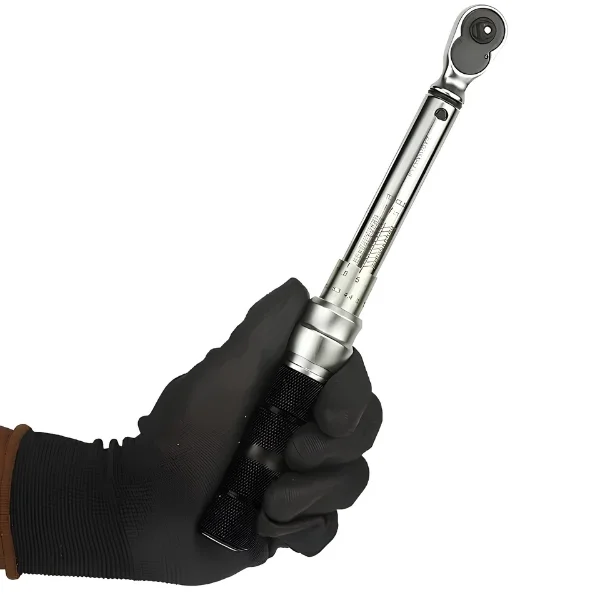
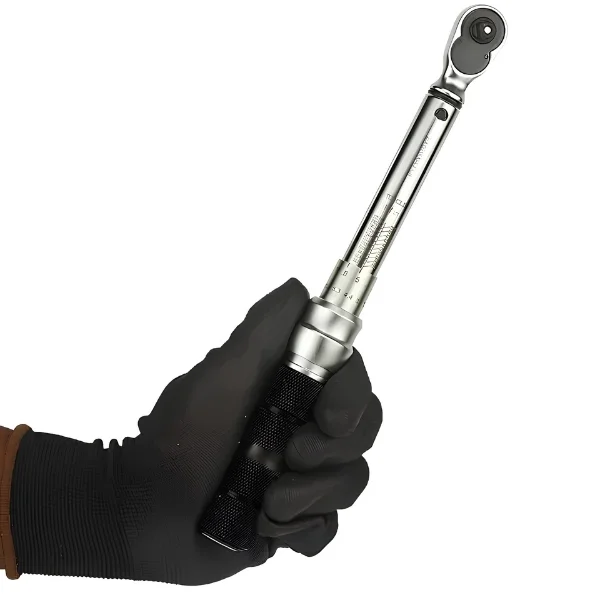
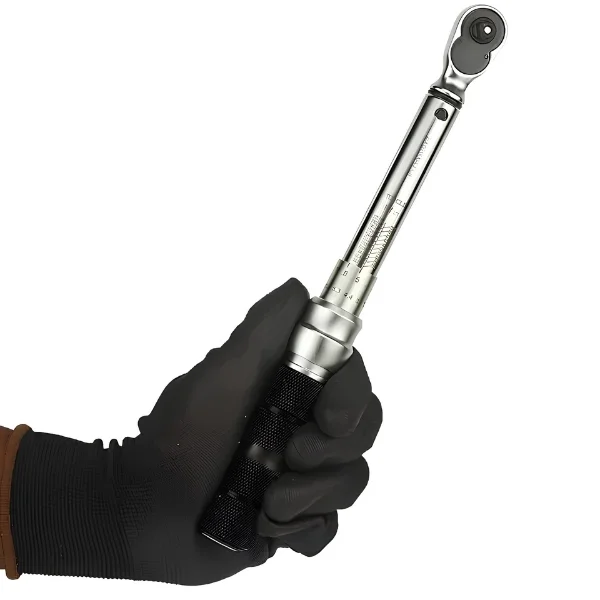
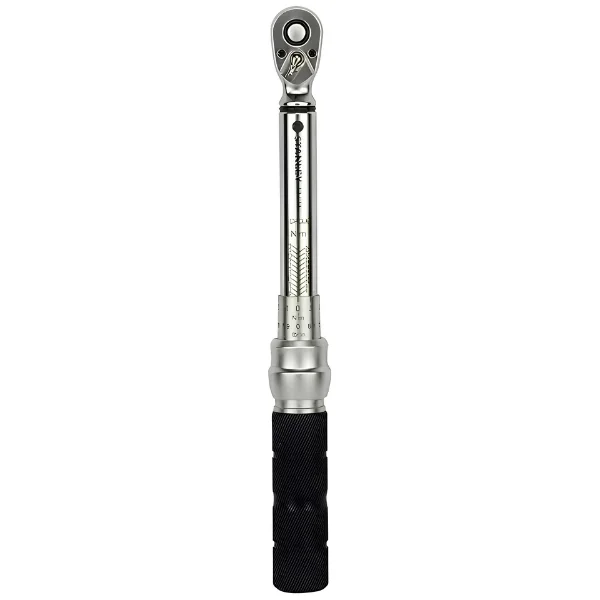
Technical SpecificationsSTANLEY STMT73587-1-8 Torque Wrench Data
|
Parameter |
Specification |
|
Drive Size |
1/4″ Square Drive |
|
Torque Range |
5 – 25 Nm |
|
Accuracy |
±3% of reading |
|
Mechanism |
Click-type torque wrench |
|
Measurement Direction |
Clockwise torque application |
|
Adjustment |
Micrometer scale adjustment |
|
Handle Type |
Knurled grip for secure handling |
|
Calibration |
Factory calibrated |
|
Typical Application |
Precision low-torque fastening |
Accuracy Explanation
±3% accuracy means that if the wrench is set to 20 Nm, the applied torque will remain within:
19.4 Nm to 20.6 Nm
This tolerance range is standard for professional mechanical torque tools.






Customer reviews