



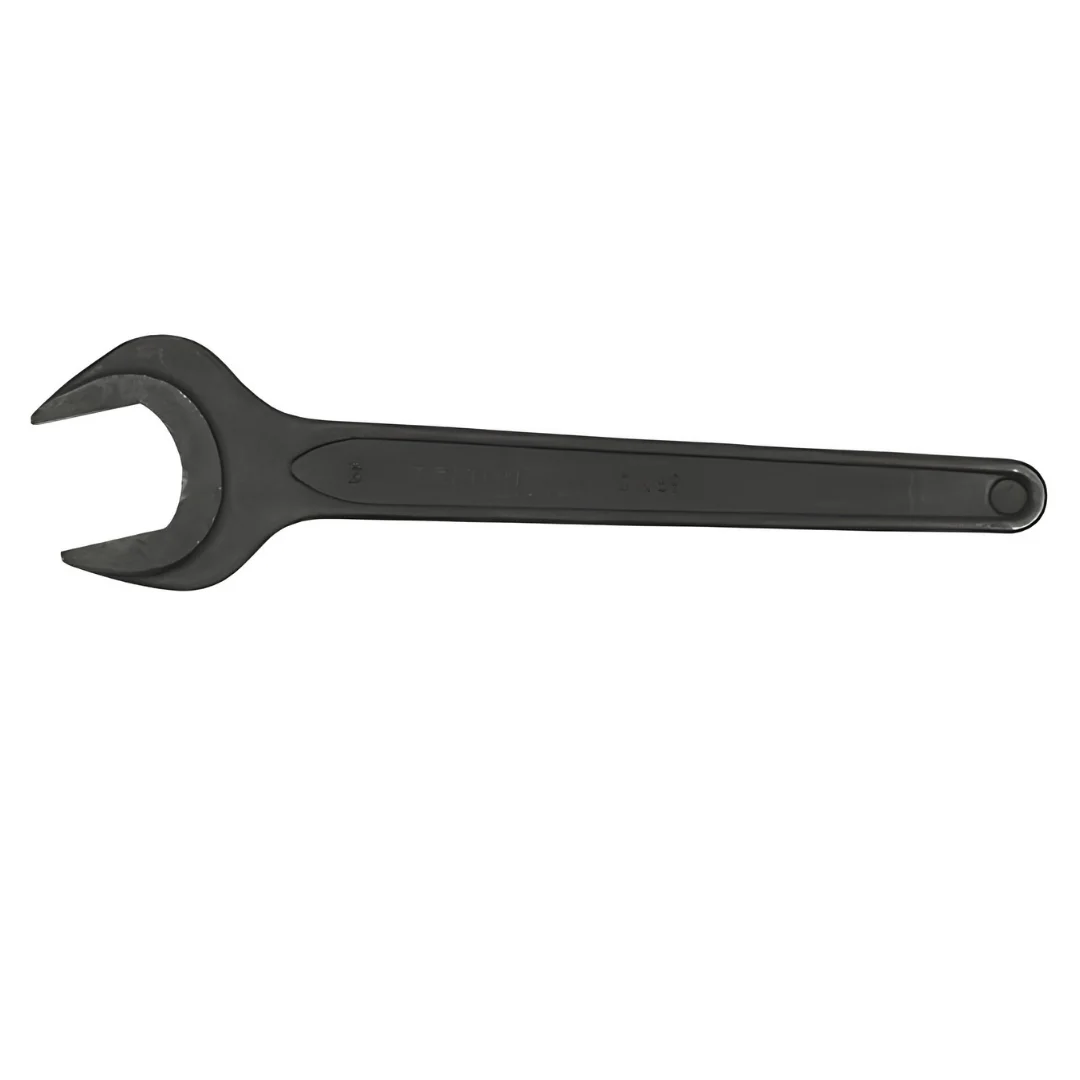
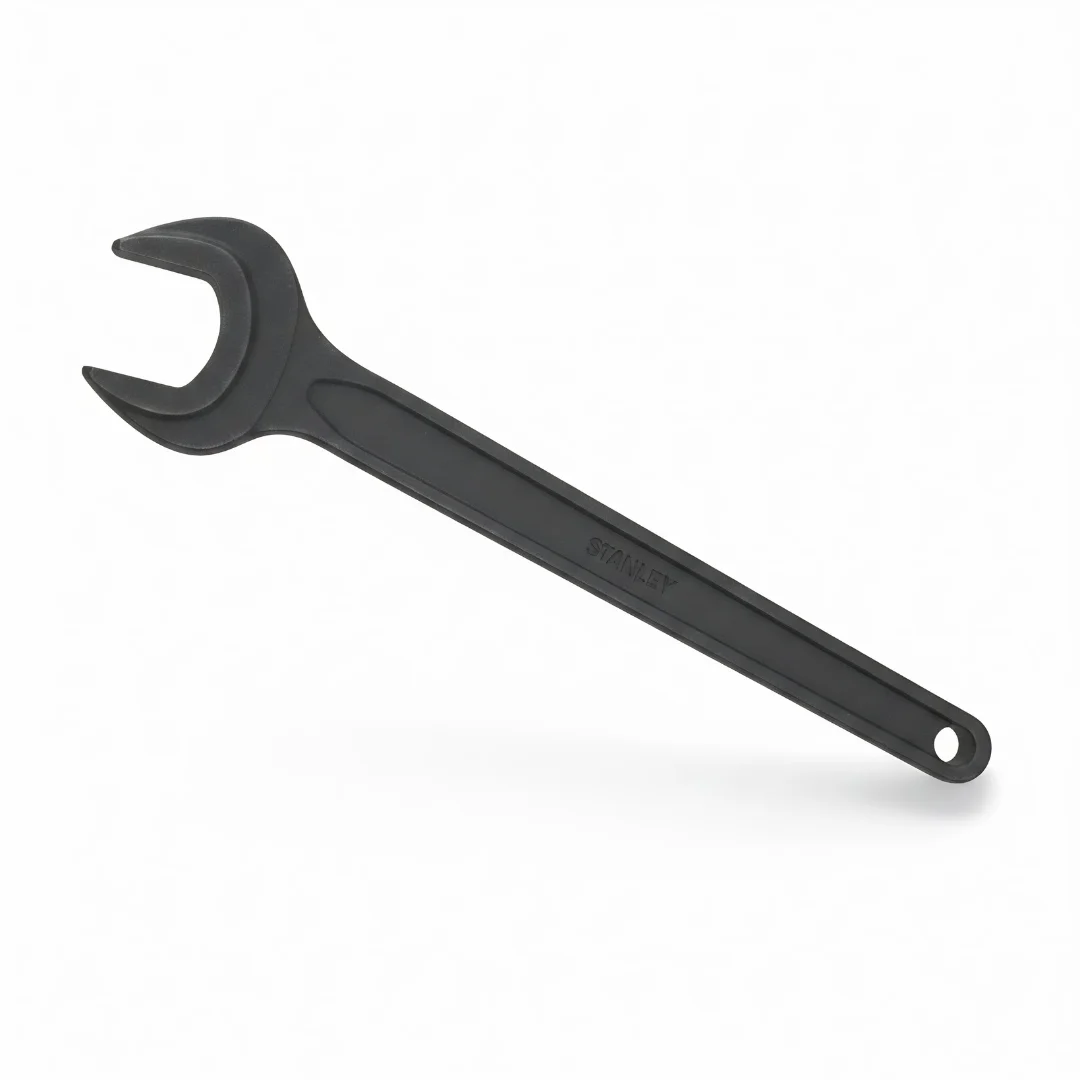
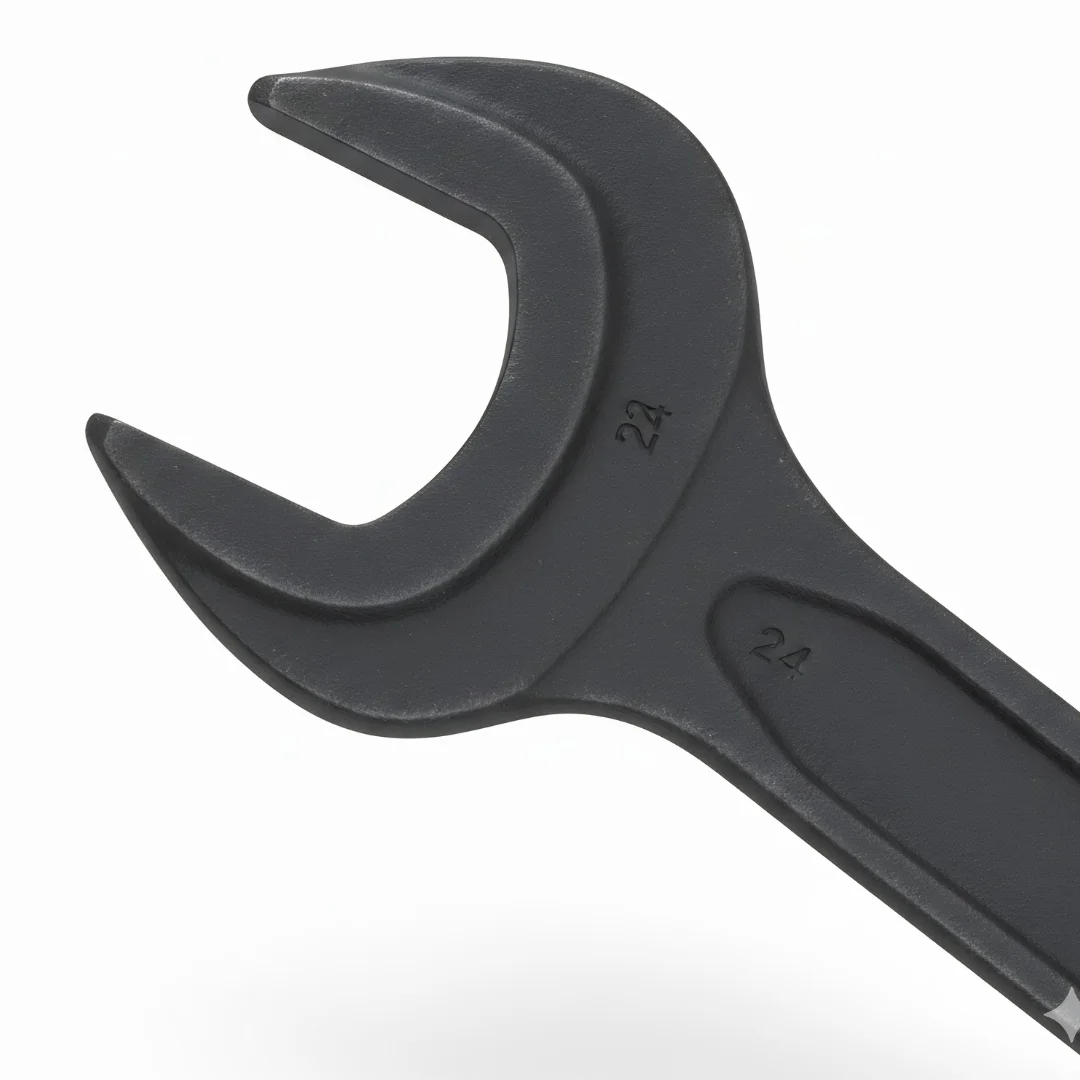
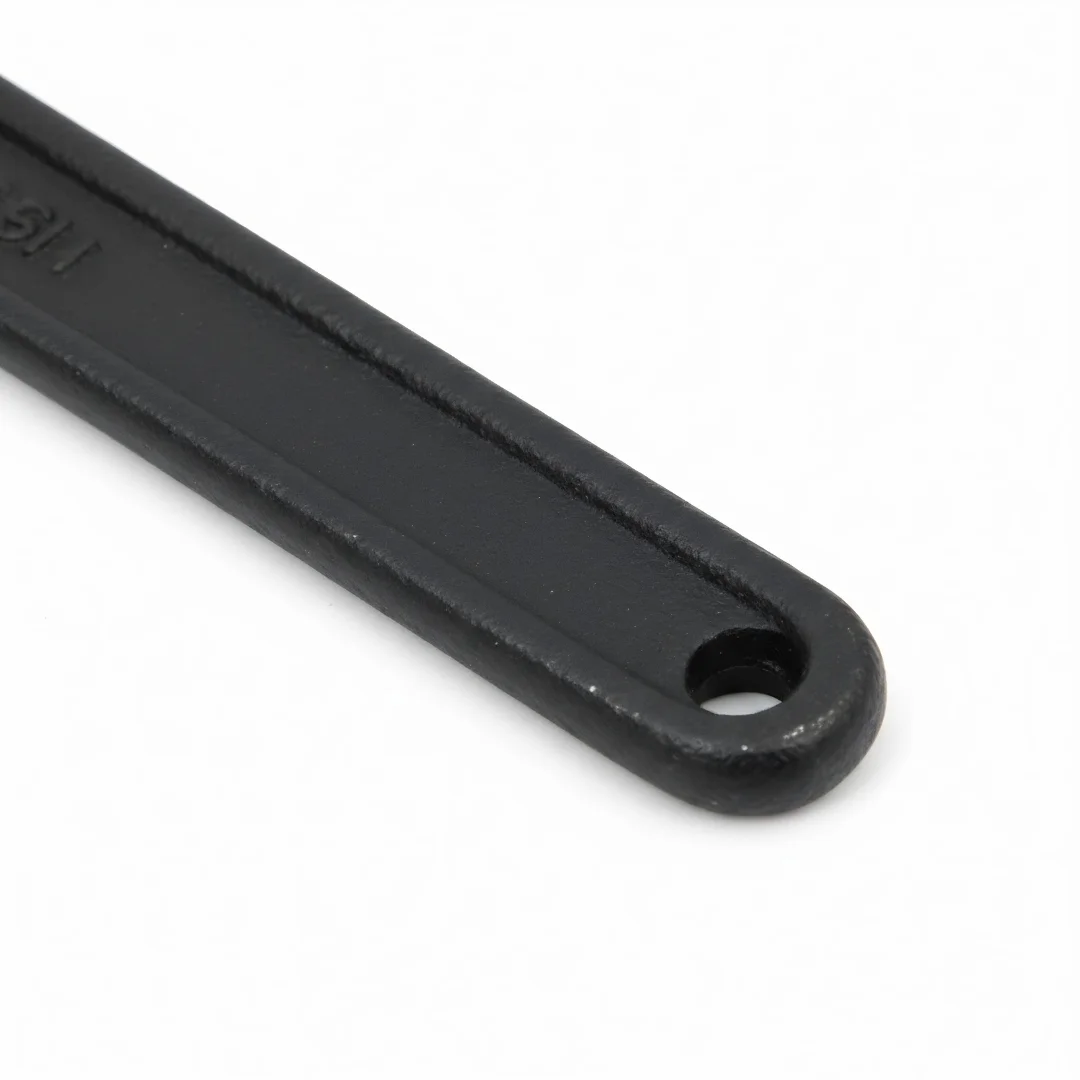


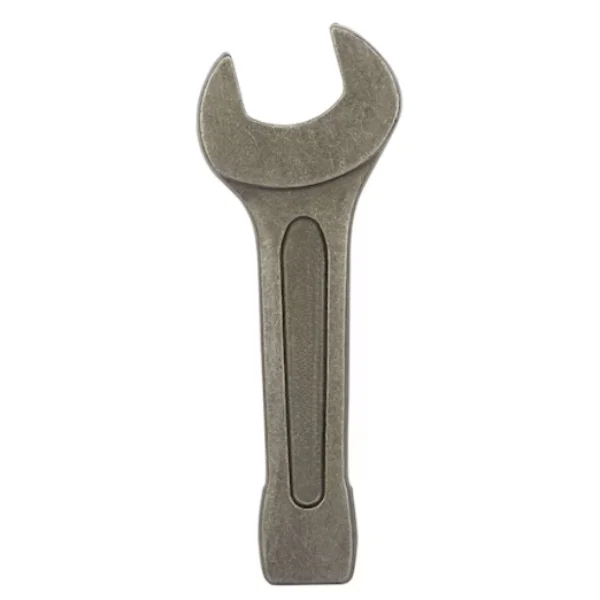
The open-jaw profile allows access to fasteners where ring spanners or sockets cannot engage due to clearance constraints.
Application Context & Use Cases
Single-end open-jaw spanners are typically used where fastener accessibility limits the use of enclosed tools. The STMT96982 model is part of the Stanley industrial spanner range designed for durability in maintenance and service operations.
Industrial Maintenance Operations
Maintenance technicians often require open-jaw tools for large exposed fasteners used in equipment frames, structural assemblies, and machinery housings. A 32 mm size commonly appears in:
Heavy machinery mounts
Structural steel installations
Industrial motor base frames
Equipment guard assemblies
The open-end profile allows the tool to be engaged laterally, enabling work in restricted spaces.
Fabrication and Mechanical Workshops
Fabrication workshops frequently encounter M20–M22 fasteners with 32 mm hex heads, especially in:
Structural fabrication
Jig assembly
Heavy equipment brackets
The STMT96982 is suited for technicians who require quick engagement rather than full rotational clearance.
Field Service and Equipment Repair
Mobile technicians performing repair work on site often carry open-jaw spanners as primary service tools because:
Sockets may not fit over long protruding bolts
Ring spanners cannot be positioned in obstructed locations
The 32 mm open-end size is frequently required for industrial pump mounts, generator installations, and agricultural equipment repairs.
Selection Guidance
Choosing the correct open-jaw spanner depends on fastener size, clearance constraints, and torque requirements.
Identify the Fastener Head Size
The STMT96982 is designed for 32 mm hex heads. Before selection, confirm:
Bolt head width across flats
Nut size
Metric compatibility
Using the wrong size spanner can result in fastener rounding and tool slippage.
Evaluate Access Clearance
Open-end spanners are appropriate when:
Fastener sides are partially obstructed
Socket tools cannot slide over the bolt
Rotation clearance is limited
If the fastener is fully accessible, ring spanners or sockets provide better torque distribution.
Consider Torque Requirements
Large fasteners may require significant torque.
In such cases:
Ensure the handle length allows safe torque application
Avoid extending handle length with pipes or leverage tools
Capacity / Calculation Example
Understanding the relationship between fastener size and torque requirement helps determine correct tool usage.
Example: M20 Structural Bolt
|
Parameter |
Typical Value |
|
Bolt Size |
M20 |
|
Hex Head Size |
32 mm |
|
Recommended Torque |
~400–450 Nm (depending on grade) |
A technician tightening this bolt may initially position the fastener using a 32 mm open-jaw spanner for alignment or partial tightening.
However, final torque is often applied using:
Torque wrench
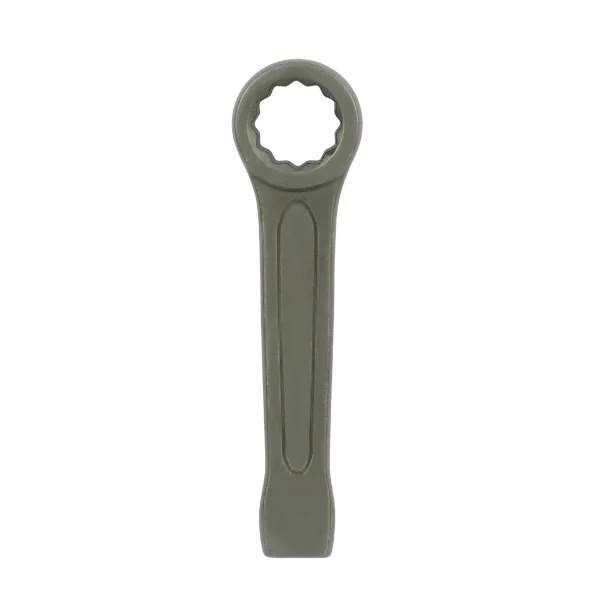
Ring spanner
Socket wrench
The open-jaw spanner primarily provides initial positioning and adjustment capability.
Failure Conditions & Misuse Risks
Open-jaw spanners can fail prematurely when used outside intended conditions.
Common Misuse Scenarios
Excessive Torque Application
Applying torque beyond tool design limits can result in:
Jaw deformation
Handle bending
Slippage
Incorrect Size Selection
Using a spanner slightly larger than the fastener leads to:
Rounded bolt heads
Tool edge wear
Hammer Impact Usage
Striking the spanner with a hammer may cause:
Micro fractures in forged steel
Jaw misalignment
Improvised Handle Extension
Using pipes or bars to extend leverage can create uncontrolled torque loads, increasing the risk of tool damage.
Material / Compatibility Table
|
Fastener Type |
Compatibility |
Notes |
|
Metric Hex Bolt |
Compatible |
Designed for 32 mm hex |
|
Metric Hex Nut |
Compatible |
Common industrial application |
|
Stainless Steel Fasteners |
Compatible |
Ensure correct torque control |
|
Structural Bolts |
Compatible |
Often used during installation stages |
|
Imperial Fasteners |
Not recommended |
Size mismatch likely |
Operational Handling & Installation Considerations
Correct Engagement
Ensure the spanner is fully seated on the fastener before applying force.
Partial engagement can cause:
Edge rounding
Slipping
Torque Direction
Apply force in the direction that pushes the spanner against the jaw surface, not away from it.
This reduces the likelihood of tool disengagement.
Work Environment
Industrial environments often expose tools to:
Oil contamination
Abrasive dust
Corrosion
Periodic cleaning and inspection help maintain tool reliability and safety.
Commercial Clarity
Lead Time
Stock availability determines dispatch timeline.
Typical dispatch scenarios:
Order Type |
Dispatch Timeline |
|
Standard orders |
Subject to stock confirmation |
|
Bulk orders |
Based on quantity and availability |
|
Distributor supply |
Coordinated with procurement schedule |
Dispatch Capability
Supply coverage available for Pan-India delivery, including:
Industrial zones
Workshops
Fabrication units
Distributor networks
Dispatch methods depend on:
Order quantity
Destination location
Minimum Order Quantity (MOQ)
Buyer Category |
Typical Order Pattern |
|
Individual technicians |
Single unit |
|
Workshops |
Small batch |
|
Distributors |
Bulk procurement |
MOQ confirmation is provided during enquiry.
Customization Availability
The tool is a standard manufacturer product.
Customization is typically not available.
Compliance / Certification
Stanley hand tools are manufactured according to industrial tool standards applicable to the product category.
Compliance documentation may depend on batch supply.
Tender Compatibility
Institutional procurement teams may request:
Product model confirmation
Brand verification
Technical specification sheet
These details can be provided during procurement discussion.
Procurement Process
To process supply enquiries efficiently, buyers should provide the following information.
Required Enquiry Details
Information |
Purpose |
|
Product Model |
Verify correct tool |
|
Required Quantity |
Plan supply allocation |
|
Delivery Location |
Determine logistics route |
|
Required Timeline |
Confirm dispatch feasibility |
|
Buyer Type |
Distributor / workshop / plant |
Providing accurate details allows faster quotation and dispatch confirmation.
Comparison Table — Common Tool Alternatives
|
Tool Type |
Accessibility |
Torque Capacity |
Typical Use Case |
|
Open-Jaw Spanner |
High |
Moderate |
Restricted access fasteners |
|
Ring Spanner |
Medium |
High |
Full fastener engagement |
|
Socket Wrench |
Low |
Very High |
Torque-critical applications |
|
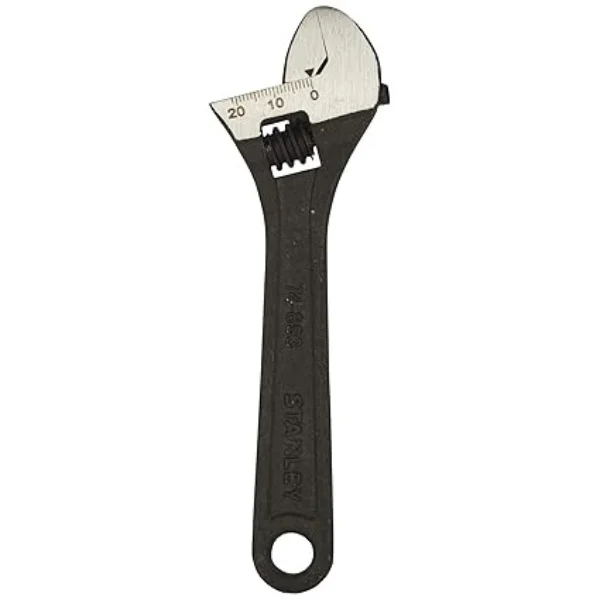
Adjustable Spanner |
Variable |
Low |
Temporary adjustments |
Open-jaw spanners remain essential where accessibility takes priority over torque transfer efficiency.
Selection Checklist
Before purchasing the STMT96982 spanner, confirm the following:
Fastener size is 32 mm across flats
Access clearance requires open-end engagement
Torque requirement does not exceed open-jaw capacity
Tool will be used for industrial maintenance or assembly
Procurement quantity aligns with operational needs
If all conditions are met, the tool fits the intended application.
High-Intent FAQs
Is the STMT96982 suitable for tightening structural bolts?
It can assist with positioning or partial tightening. Final torque for structural bolts should typically be applied using torque tools or socket systems.
Can the spanner be used for stainless steel fasteners?
Yes, provided the fastener size is 32 mm. Care should be taken to control torque because stainless fasteners may gall under excessive force.
Is this tool compatible with imperial fasteners?
No. The tool is designed for metric 32 mm hex fasteners. Imperial fasteners may not fit properly.
Can this spanner replace a socket wrench?
No. Socket wrenches provide better torque transfer and full engagement. The open-jaw spanner is primarily used when sockets cannot access the fastener.
Is bulk supply available for workshops or distributors?
Yes. Quantity requirements should be specified during enquiry to confirm stock availability and dispatch planning.
What industries commonly use 32 mm spanners?
Common sectors include:
Heavy machinery maintenance
Fabrication workshops
Construction equipment service
Industrial plant maintenance
Technical SpecificationsProduct Identification
|
Specification |
Value |
|
Brand |
Stanley |
|
Model Number |
STMT96982 |
|
Tool Type |
Single-End Open-Jaw Spanner |
|
Jaw Size |
32 mm |
|
Measurement Standard |
Metric |
|
Application Category |
Industrial maintenance and mechanical assembly |
Dimensional Characteristics
|
Parameter |
Typical Range / Description |
|
Jaw Opening |
32 mm hex compatibility |
|
Jaw Angle |
Angled head for improved accessibility |
|
Handle Profile |
Flat forged handle |
|
Length Category |
Large spanner range (size dependent) |
|
Engagement Type |
Open-end lateral engagement |
Material Construction
|
Property |
Description |
|
Base Material |
Forged alloy steel |
|
Manufacturing Process |
Drop forging |
|
Surface Finish |
Corrosion-resistant protective finish |
|
Heat Treatment |
Hardened for durability and wear resistance |







Customer reviews