



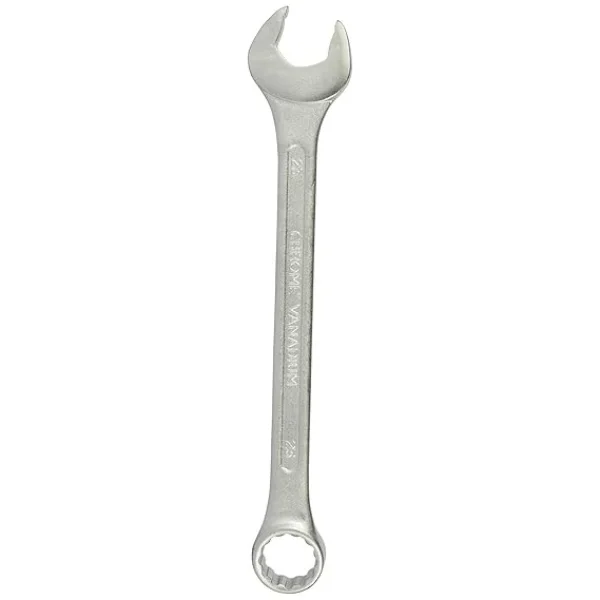
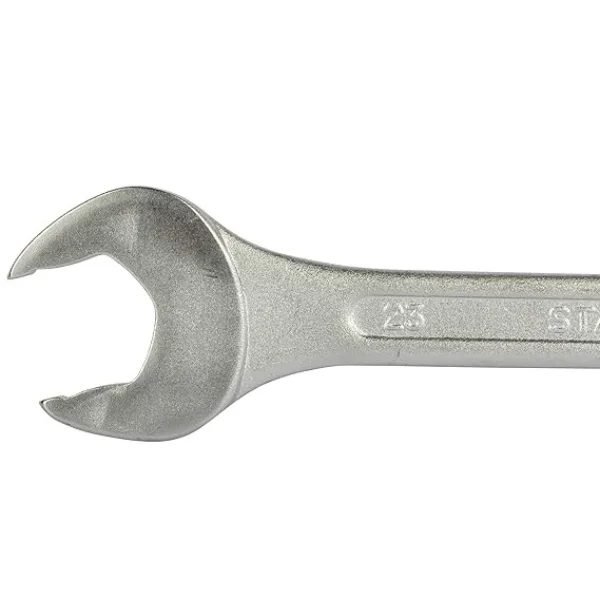
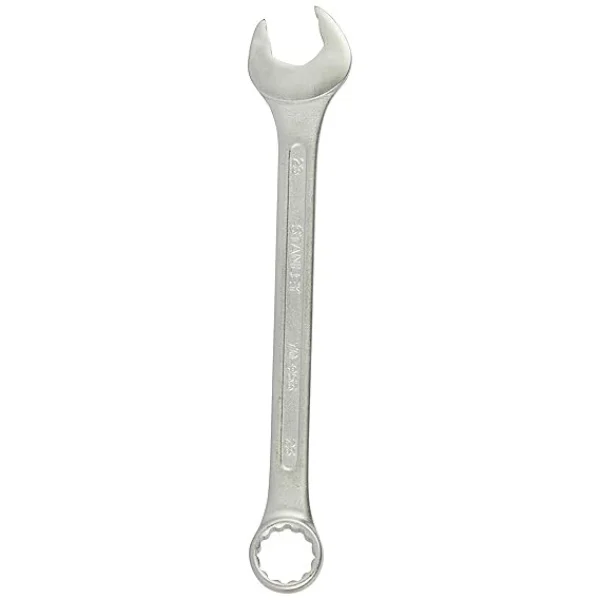
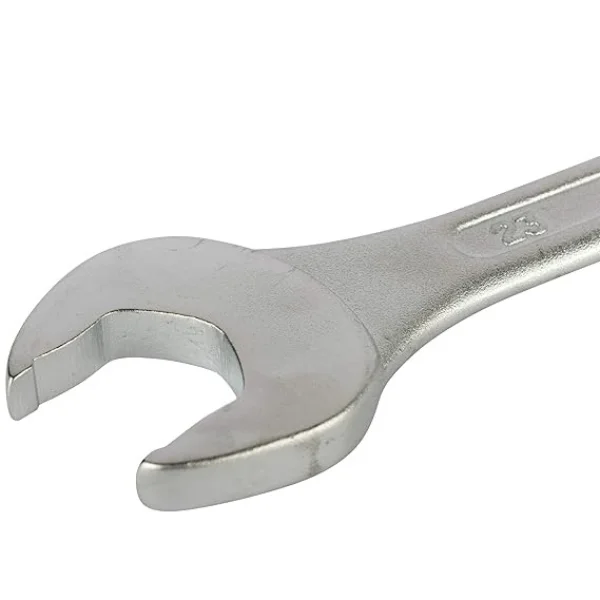


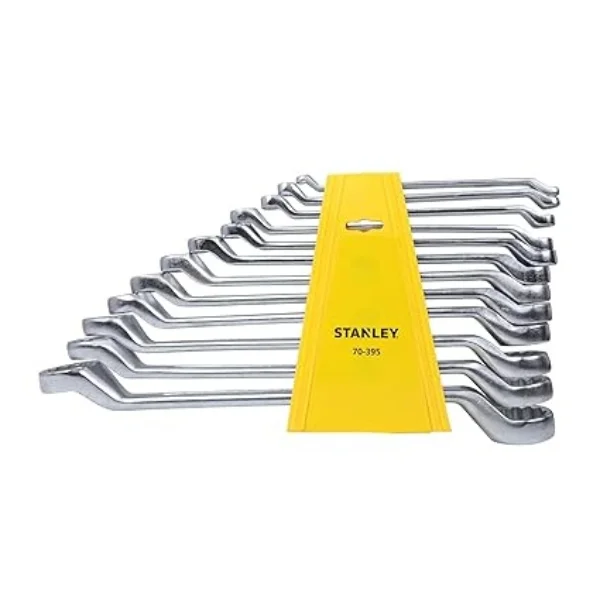
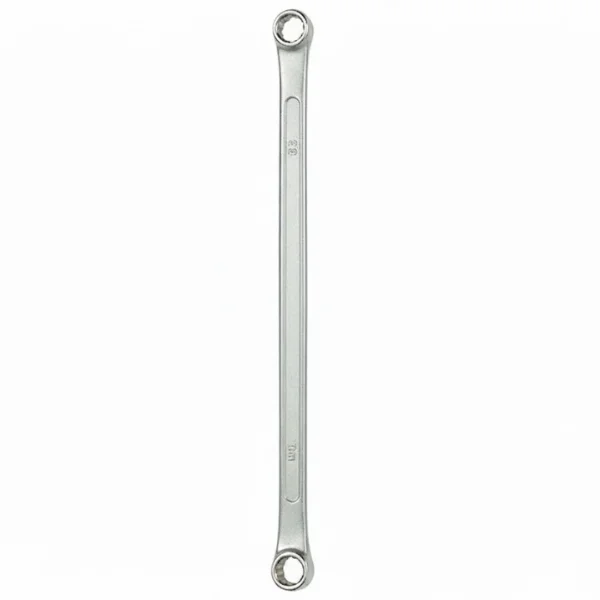
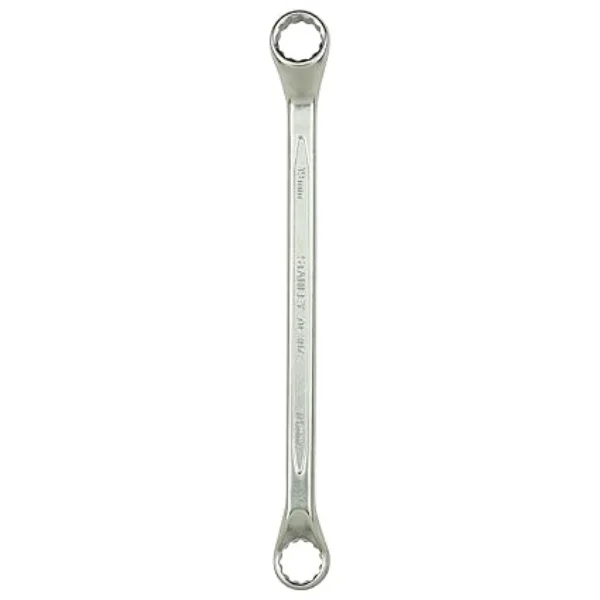
The 23MM Combination Spanner plays a supporting role in numerous industrial maintenance procedures. Since it fits frequently used metric fasteners, it is commonly stored in plant maintenance toolkits, workshop service equipment, and project tool sets. The next section explains where the socket is most commonly deployed.
STANLEY 70-953E Application Context & Use Cases
The 23MM size is typically deployed where medium-to-heavy hex fasteners are used in structural assemblies, machinery frames, automotive suspension components, agricultural equipment, and industrial fabrication structures.
Common Industrial Environments
Mechanical maintenance departments
Automotive workshops and fleet maintenance
EPC site toolkits
Fabrication units
Heavy equipment assembly lines
Infrastructure project tool cribs
Typical Fastener Applications
23MM Hex Bolt/Nut Handling
M16 structural bolts (depending on head specification)
Medium frame machinery anchor bolts
Automotive axle and suspension components
Industrial pump and motor mounting assemblies
Selection at this size is rarely casual. It is usually driven by standardized tool lists within maintenance systems.
Selection Guidance – Choosing the Correct 23MM Spanner
Confirm Fastener Standard
Before procurement:
Verify bolt head dimension using vernier caliper.
Confirm metric sizing (not AF or inch-based).
Check required clearance for open-end rotation.
Evaluate Use Environment
High torque repetitive use → ring end preferred.
Limited access space → confirm head thickness.
Corrosive environment → ensure chrome plating integrity.
Bulk Procurement Consideration
Align quantity with tool control system.
Factor spare stock for maintenance shutdowns.
Confirm compatibility with adjacent metric sizes in toolkit.
Incorrect size selection leads to jaw spread and premature tool rejection.
23MM Combination Spanner Capacity & Practical Torque Logic
While spanners do not carry formal torque ratings like torque wrenches, their effective torque transmission depends on:
Material grade
Heat treatment
Handle length
Fastener condition
Real-World Logic Example
If a 23MM fastener is typically tightened in the 180–250 Nm range (application dependent), a properly manufactured combination spanner of this size must:
Maintain jaw integrity without spreading
Resist ring end deformation
Prevent slippage under standard manual force
Overloading beyond intended mechanical leverage (e.g., using extension pipes) introduces failure risk.
Failure Conditions & Misuse Risks
Common Failure Scenarios
Using hammer impact on non-striking spanner
Applying cheater bar extensions
Using open end on seized fasteners
Incorrect size usage causing rounding
Corrosive storage conditions
Resulting Risks
Jaw spreading
Ring cracking
Chrome peeling
Fastener head rounding
Operator injury
Tool failure in industrial settings affects safety audits and tool control systems.
Material & Compatibility Table
|
Component |
Specification |
Compatibility Notes |
|
Body |
Chrome Alloy Steel |
Industrial-grade durability |
|
Surface Finish |
Chrome Plated |
Corrosion resistance |
|
Open End |
Metric 23MM |
Hex fasteners only |
|
Ring End |
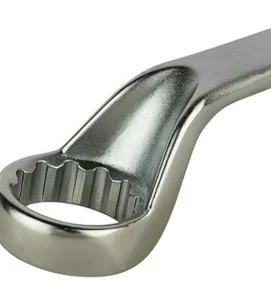
12-Point |
Allows multiple engagement angles |
|
Fastener Type |
Metric Hex |
Not for square or spline |
Operational Handling & Usage Considerations
Correct Engagement Procedure
Fully seat ring end before applying torque.
Avoid partial engagement on worn fasteners.
Use open end only when rotational access is limited.
Maintain clean contact surfaces.
Storage
Keep dry.
Avoid stacking in corrosive moisture zones.
Integrate within controlled tool cabinets.
Industrial environments should integrate the tool within preventive maintenance systems.
Commercial Clarity
Lead Time
Ready stock: Immediate dispatch subject to quantity.
Bulk indent: Lead time confirmed during quotation.
Dispatch Capability
Pan India shipment via registered logistics.
Batch-wise dispatch documentation.
MOQ
No strict MOQ for institutional buyers.
Bulk pricing structured based on quantity.
Customization
No physical modification offered (standard manufacturer product).
Bulk kit bundling available on request.
Compliance & Documentation
GST-compliant invoicing.
Commercial invoice with batch identification.
Procurement documentation suitable for industrial audits.
Tender Compatibility
Can be supplied against institutional purchase orders.
Technical specification sheet provided for tender submission alignment.
Procurement Process – How to Enquire
To receive an accurate quotation, provide:
Required quantity
Delivery location
Company name and GST number
Required dispatch timeline
Whether part of larger STANLEY tool requirement
Quotation turnaround: Structured and documented.
Retail-style cart purchase is not recommended for institutional volumes.
Comparison Table – Industrial Perspective
|
Parameter |
STANLEY 70-953E |
Generic Retail Spanner |
Heavy-Duty Striking Spanner |
|
Intended Use |
Industrial maintenance |
Light DIY |
Impact/striking |
|
Material Grade |
Chrome alloy steel |
Varies |
Forged heavy steel |
|
Ring Design |
12-point |
6 or 12-point |
Usually ring only |
|
Finish |
Chrome plated |
Basic chrome |
Black oxide |
|
Torque Handling |
Manual torque |
Light manual |
High impact |
|
Audit Suitability |
Yes |
Limited |
Application specific |
Selection must match operational requirement, not just size.
Selection Checklist
Before placing order, confirm:
Fastener head is 23MM metric
Combination format required (open + ring)
Non-impact application
Industrial usage environment
Quantity aligned with tool control policy
Procurement documentation required
Dispatch timeline acceptable
If all conditions are satisfied, this model is appropriate.
High-Intent FAQs
1. Is this suitable for heavy industrial maintenance?
Yes, for manual torque applications within standard mechanical limits. Not suitable for impact striking.
2. Can bulk quantities be supplied Pan India?
Yes. Dispatch is structured based on confirmed quantity and location.
3. Is this original STANLEY specification?
Model supplied aligns with manufacturer’s industrial metric specification.
4. Do you provide GST invoice?
Yes. All institutional supplies are GST compliant.
5. What is the difference between open end and ring use?
Ring end provides better torque grip. Open end is used where rotation clearance is restricted.
6. Can this be supplied as part of a complete metric spanner set?
Yes, subject to availability of adjacent sizes in bulk requirement
7. Is this compatible with M16 bolts?
Typically yes, depending on bolt head dimension standard. Verification recommended before ordering.
The STANLEY 70-953E is supplied for dimensional consistency and load-bearing reliability in controlled torque conditions.
STANLEY Combination Spanner Technical Specifications
Core Specifications Table
Parameter |
Specification |
|
Nominal Size |
23MM |
|
Open-End Angle |
Standard industrial offset |
|
Ring End Type |
12-Point |
|
Material |
Chrome Alloy Steel |
|
Finish |
Chrome Plated |
|
Standard Compliance |
Metric Industrial Standard |
|
Hardness |
Heat-treated (manufacturer controlled) |
|
Jaw Profile |
Precision machined |
|
Corrosion Resistance |
Surface treated for industrial environments |
Dimensional accuracy is critical to prevent fastener rounding. Industrial buyers should verify compatibility with existing fastener tolerances.








Customer reviews