



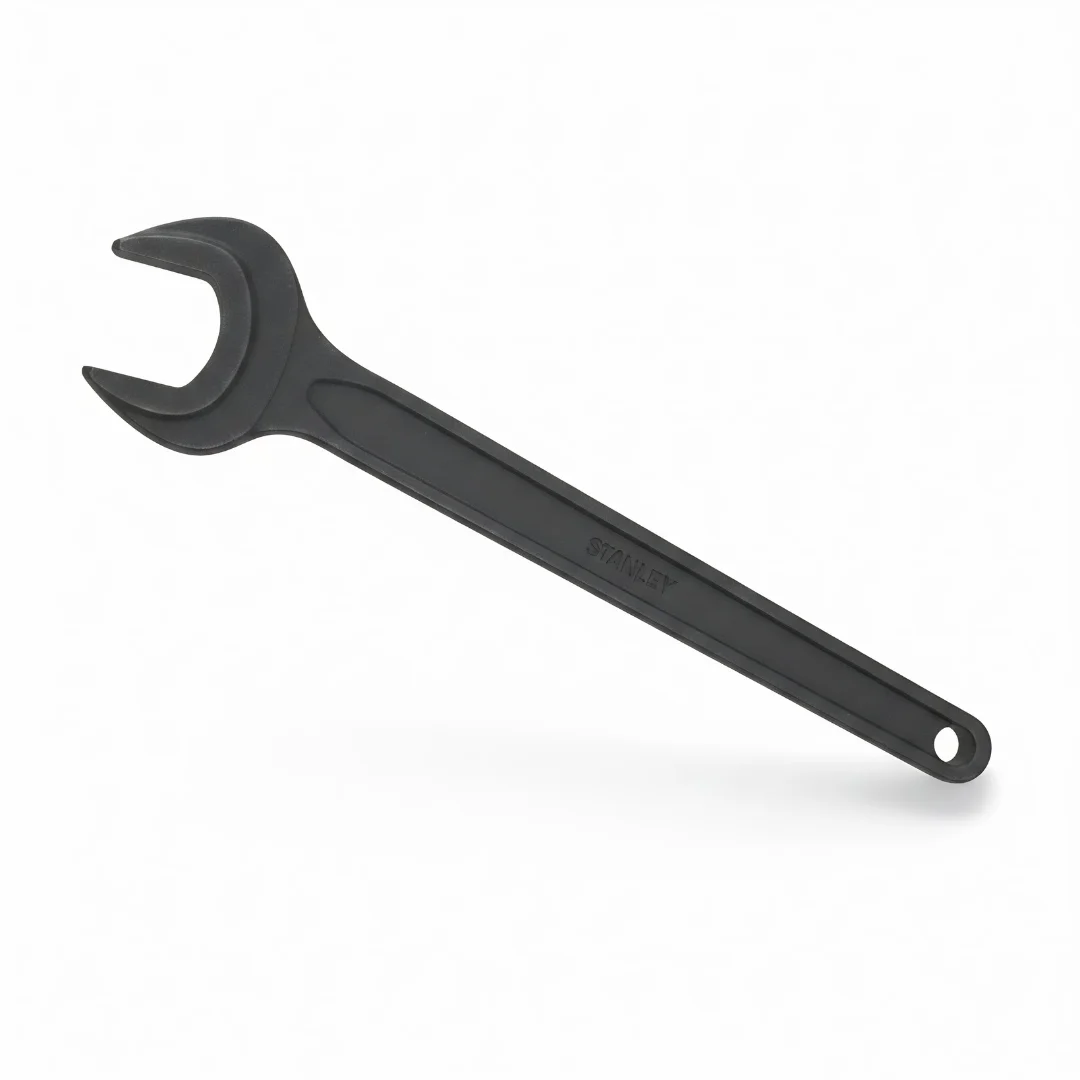
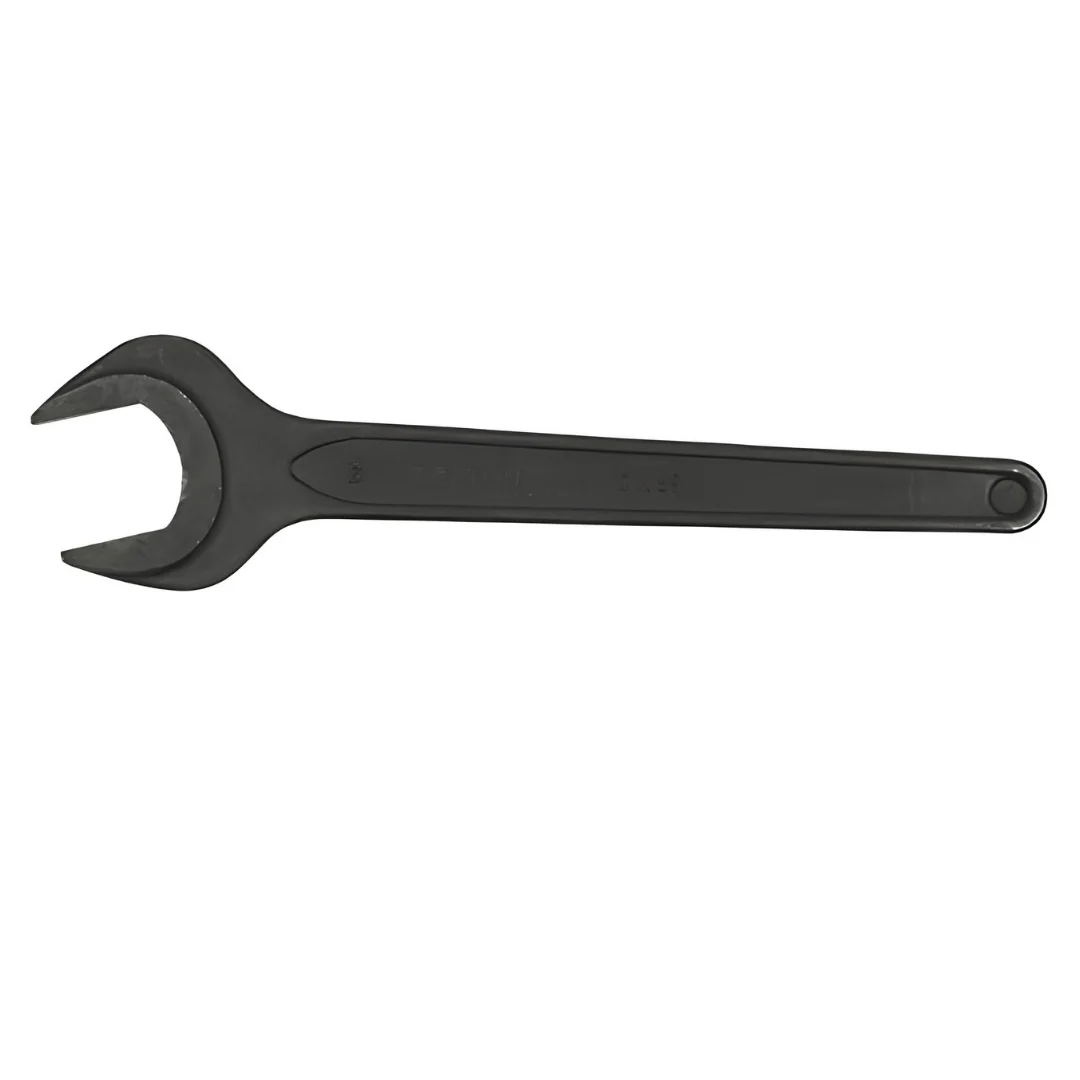
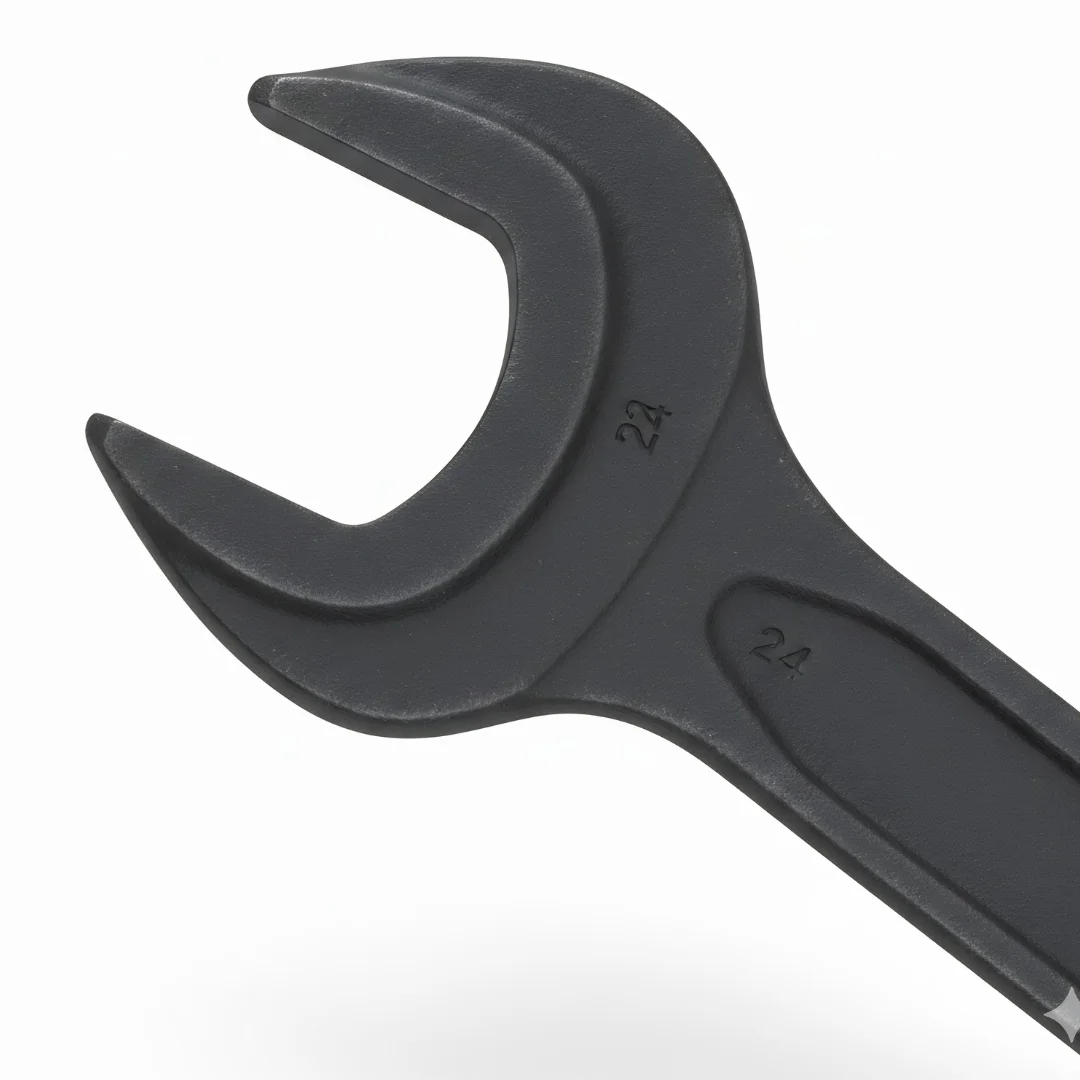
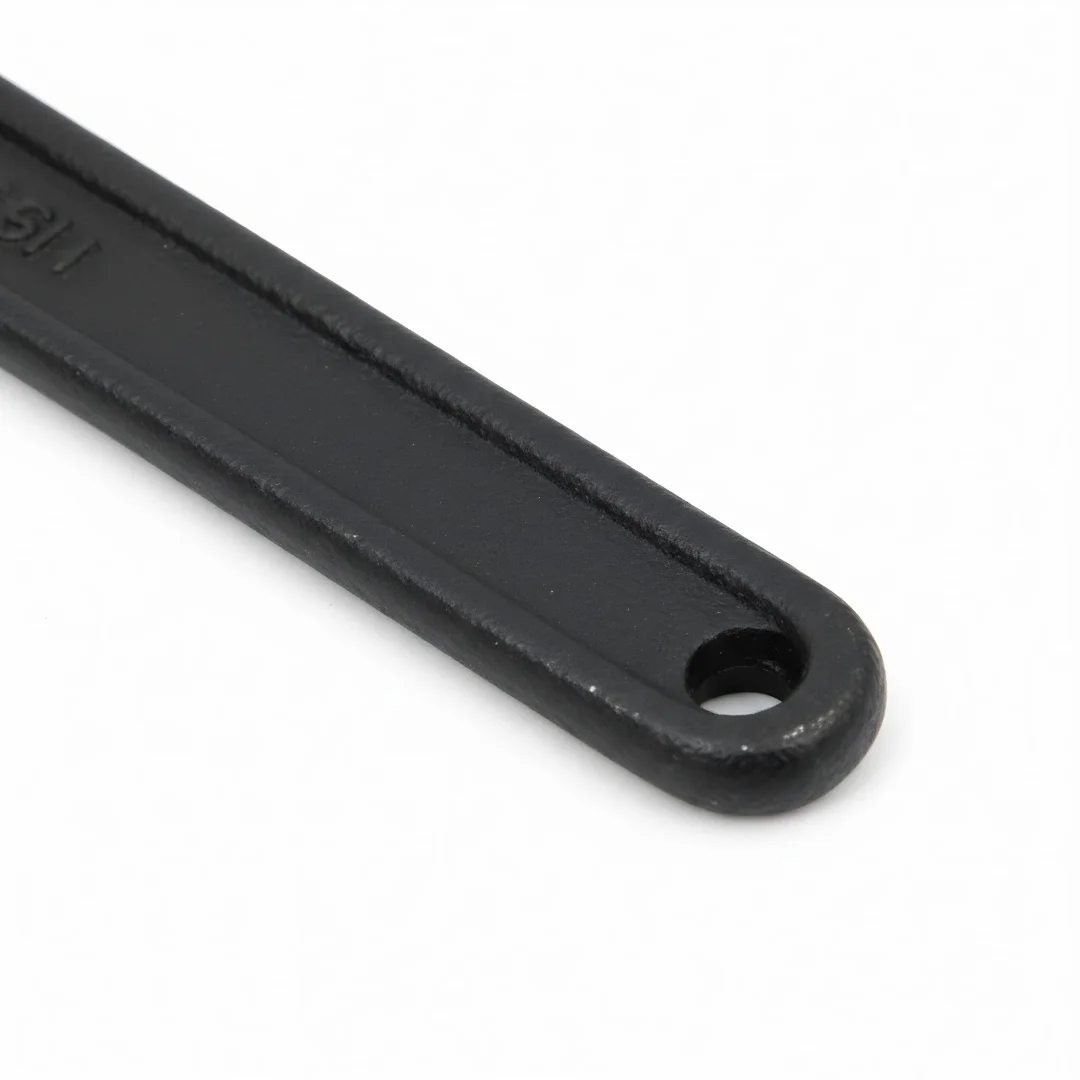


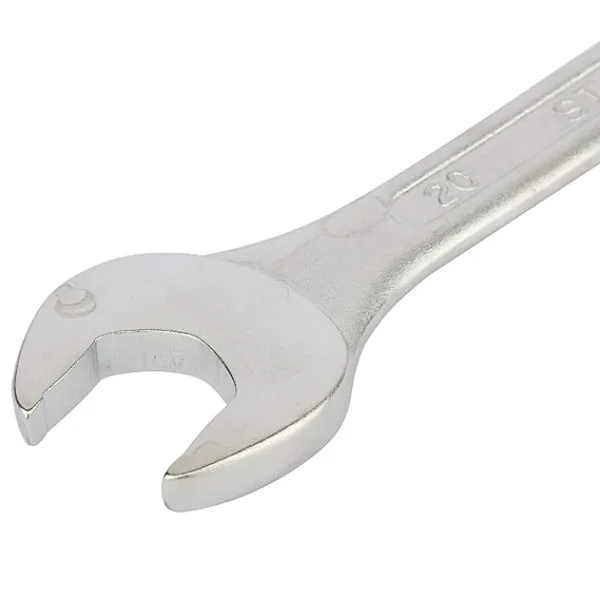
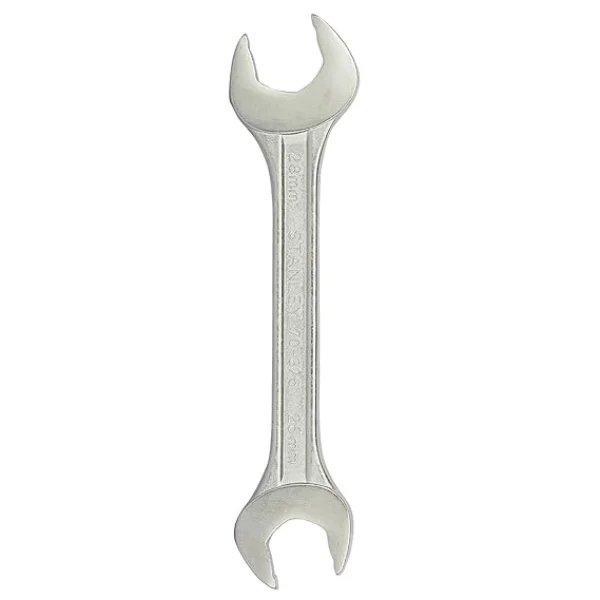
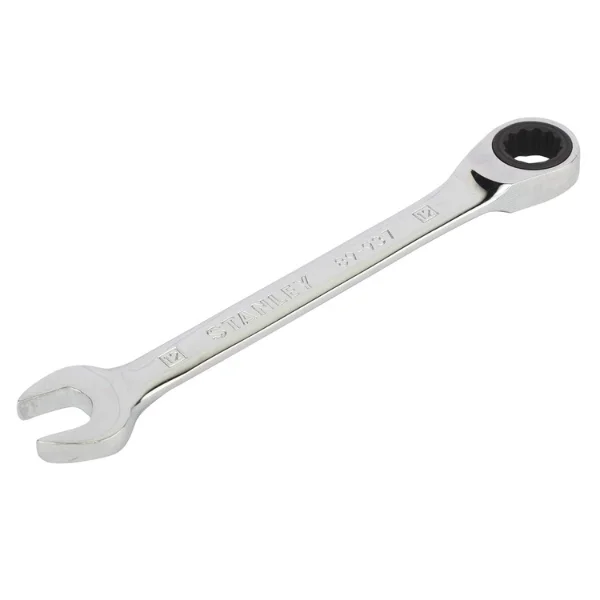
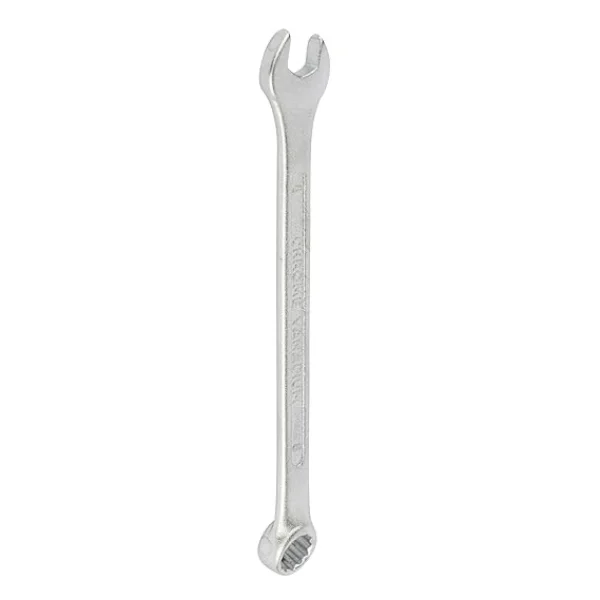
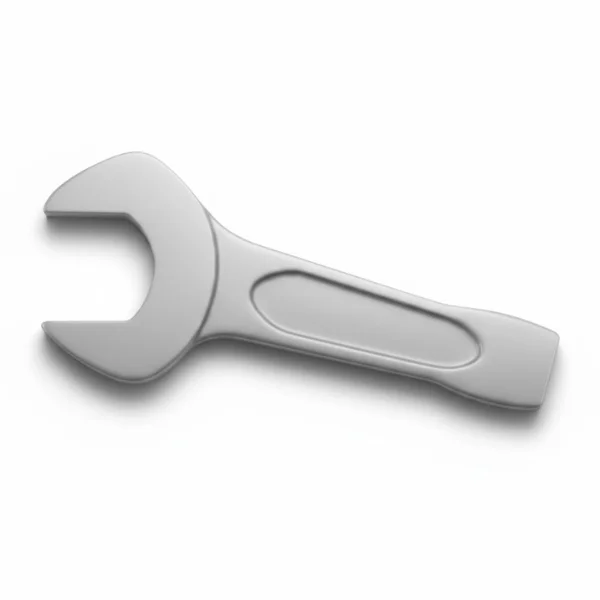
The open-jaw design allows engagement on exposed bolts and nuts where full circular access is not available, making it suitable for heavy machinery servicing, structural assemblies, and plant maintenance operations.
Application Context & Use Cases
Large open-jaw spanners are rarely used in general maintenance. The 60 mm size category is typically required in heavy industrial sectors where large-diameter fasteners are common.
Heavy Equipment Maintenance
Used during servicing of large industrial equipment where bolt sizes exceed standard workshop tooling.
Typical environments include:
Steel plants
Cement plants
Mining operations
Power generation facilities
Rail maintenance workshops
Structural Assembly & Disassembly
During installation or removal of structural components, large open-jaw spanners allow access where ring spanners or sockets cannot fit.
Common examples include:
Structural steel joints
Heavy flange connections
Machine base plates
Shutdown Maintenance Operations
During scheduled shutdowns, maintenance teams often require tools capable of handling large fasteners on:
Turbine housings
Conveyor systems
Crushers
Industrial pumps
Workshop Tooling Inventory
Heavy mechanical workshops often maintain a complete spanner set for servicing large equipment or contractor machinery.
Selection Guidance — Choosing the Correct Spanner
Selecting the correct spanner size and type is critical for preventing tool damage and ensuring safe torque transfer.
Confirm Fastener Size
The spanner jaw dimension must match the nut or bolt head across flats measurement.
For a 60 mm spanner, the fastener must measure 60 mm across flats (AF).
Incorrect sizing results in:
Jaw slippage
Fastener rounding
Tool deformation
Verify Access Constraints
Open-jaw spanners are selected when:
Socket tools cannot be used
Full circular engagement is not possible
Fastener access is restricted
If full access is available, ring or socket tools may provide better torque transfer.
Evaluate Torque Requirement
Large fasteners require significant torque.
Operators must ensure:
Adequate handle leverage
Controlled manual force
Proper engagement before applying torque
Consider Tool Set Compatibility
Industrial maintenance teams often maintain a full range including:
46 mm
50 mm
55 mm
60 mm
65 mm
Selecting the correct size prevents cross-tool substitution that can damage both fasteners and tools.
Capacity / Calculation Example
Understanding fastener size relationships helps verify tool selection.
Example: Hex Bolt Size Compatibility
Bolt Size vs Spanner Size
Bolt Diameter |
Typical Across Flats (AF) |
Suitable Spanner |
|
M36 Bolt |
55 mm |
55 mm spanner |
|
M39 Bolt |
60 mm |
60 mm spanner |
|
M42 Bolt |
65 mm |
65 mm spanner |
This indicates that a 60 mm open-jaw spanner commonly corresponds with M39 fasteners used in heavy industrial assemblies.
Torque Application Logic
Large fasteners require controlled torque application.
Operators typically extend leverage through:
Longer handle grip
Controlled pulling motion
Stable positioning
Using extension pipes or hammer impact on open-jaw spanners is generally discouraged unless the tool is designed for such loading.
Failure Conditions & Misuse Risks
Improper use of large open-jaw spanners can lead to both tool and fastener damage.
Incorrect Jaw Size
If the spanner opening is larger than the fastener:
Contact area reduces
Jaw slip occurs
Fastener corners round off
Overloading the Tool
Applying torque beyond manual design limits can cause:
Jaw spreading
Handle deformation
Structural failure of the tool
Using Extensions Improperly
Common misuse includes inserting pipes over the handle to increase leverage.
Risks include:
Uncontrolled torque
Tool breakage
Operator injury
Misalignment during Use
When the jaw is not fully seated on the fastener:
Load concentrates on corners
Tool slips under load
Fastener damage occurs
Material / Compatibility Table
Fastener Compatibility
Fastener Type |
Compatibility |
|
Hex nuts |
Suitable |
|
Hex bolts |
Suitable |
|
Flange bolts |
Suitable if clearance available |
|
Square nuts |
Not recommended |
Working Environment Compatibility
Environment |
Suitability |
|
Heavy industrial maintenance |
Suitable |
|
Structural assembly |
Suitable |
|
Machinery servicing |
Suitable |
|
Precision equipment work |
Not typical |
Operational Handling & Installation Considerations
Large spanners require controlled handling practices.
Proper Engagement
Operators should ensure:
Full jaw seating
Correct angle alignment
Stable hand positioning
Controlled Torque Application
Force should be applied gradually rather than through sudden impacts.
Recommended method:
Steady pulling force
Controlled leverage
Firm footing and stance
Tool Inspection before Use
Before use, check for:
Jaw deformation
Cracks in handle
Worn edges on jaw surfaces
Damaged tools should be replaced to prevent operational hazards.
Commercial Clarity
Lead Time
Dispatch timing depends on stock availability and order quantity.
Typical supply conditions:
Stocked items: dispatch within standard processing window
Non-stocked items: procurement lead time may apply
Dispatch Capability
Supply support available for Pan-India industrial dispatch, including:
Industrial logistics carriers
Shipment to plant locations
Delivery to contractor workshops
Minimum Order Quantity (MOQ)
Most enquiries for branded industrial tools can be processed on a single-unit procurement basis, subject to availability.
Bulk orders may be processed for:
Maintenance inventory
Distributor supply
Contractor requirements
Customization Availability
Customization is not applicable for branded tools such as STANLEY spanners.
Only manufacturer-specified models are supplied.
Compliance / Certification
Product specifications follow manufacturer design and quality standards as defined by the brand.
Certification documentation is generally controlled by the manufacturer.
Tender Compatibility
Industrial procurement through tender processes may require:
Exact model reference
Brand compliance
Product specification confirmation
Model STMT96989 provides a clear procurement reference for such documentation.
Procurement Process — How to Enquire
Industrial procurement enquiries typically include the following information.
Required Details
Buyers should provide:
Product model reference (STMT96989)
Required quantity
Delivery location
Required delivery timeline
Company name
Providing these details helps confirm availability and dispatch feasibility.
Typical Enquiry Flow
Buyer submits RFQ with product model
Supplier verifies stock or procurement timeline
Commercial quotation issued
Order confirmation processed
Dispatch arranged to delivery location
Comparison Table — Alternative Tool Options
|
Tool Type |
Access Capability |
Torque Efficiency |
Typical Use Case |
|
Open-Jaw Spanner |
High access flexibility |
Moderate |
Restricted bolt access |
|
Ring Spanner |
Full engagement |
High |
Standard maintenance |
|
Socket Wrench |
Full engagement |
Very high |
Controlled torque operations |
|
Adjustable Spanner |
Variable size |
Low–moderate |
Light maintenance |
Open-jaw spanners remain essential where ring or socket tools cannot be positioned around the fastener.
Selection Checklist
Before purchasing a 60 mm open-jaw spanner, verify the following:
Fastener head measures 60 mm across flats
Work area does not allow socket tool access
Torque requirement falls within manual tool capability
Industrial maintenance environment requires large-size tooling
Exact model reference STMT96989 is specified in procurement request
Frequently Asked Questions
What fastener size does a 60 mm spanner fit?
A 60 mm spanner fits nuts or bolts measuring 60 mm across flats, typically associated with large industrial fasteners such as M39 bolt assemblies.
When should an open-jaw spanner be used instead of a socket?
Open-jaw spanners are used when the fastener cannot be fully enclosed by a socket due to restricted access, surrounding components, or structural obstructions.
Can this spanner be used for heavy torque applications?
It can handle manual torque suitable for industrial maintenance tasks, provided the tool is used within normal operational limits and without excessive leverage extensions.
Is the STMT96989 spanner suitable for workshop tool kits?
This tool size is typically used in heavy industrial environments, not standard mechanical workshops.
Can this spanner be used with extension pipes for extra leverage?
Using pipes or external leverage extensions is generally discouraged unless the tool is specifically designed for such loads, as it may cause jaw deformation or handle damage.
How do buyers confirm the correct spanner size before purchase?
Measure the nut or bolt head across flats dimension. The measurement must match the spanner jaw size exactly.
Is bulk procurement available for maintenance inventories?
Industrial buyers often procure multiple sizes and quantities for maintenance tool kits or shutdown operations.
Technical SpecificationsProduct Identification
Model Information
|
Parameter |
Specification |
|
Brand |
STANLEY |
|
Model Number |
STMT96989 |
|
Tool Type |
Single-End Open-Jaw Spanner |
|
Jaw Size |
60 mm |
|
Application Category |
Industrial maintenance hand tool |
|
Jaw Configuration |
Single open-end |
Physical Specifications
Tool Construction
|
Specification |
Detail |
|
Tool Type |
Fixed-size open jaw |
|
Jaw Orientation |
Angled jaw head |
|
Handle Type |
Solid forged handle |
|
Tool Category |
Heavy-duty industrial hand tool |
Functional Characteristics
Operational Design
|
Feature |
Description |
|
Jaw Opening |
Fixed 60 mm |
|
Access Design |
Open jaw for partial fastener access |
|
Force Transfer |
Manual torque application |
|
Intended Use |
Large nut and bolt engagement |







Customer reviews