





Application Context & Use Cases
Industrial spanners in the 50 mm range are typically used where large bolt diameters and high clamping forces are present. Unlike small workshop spanners, this size category is commonly deployed in heavy maintenance environments.
Typical Industrial Applications
Heavy Equipment Maintenance
Earthmoving equipment
Hydraulic assemblies
Structural machine frames
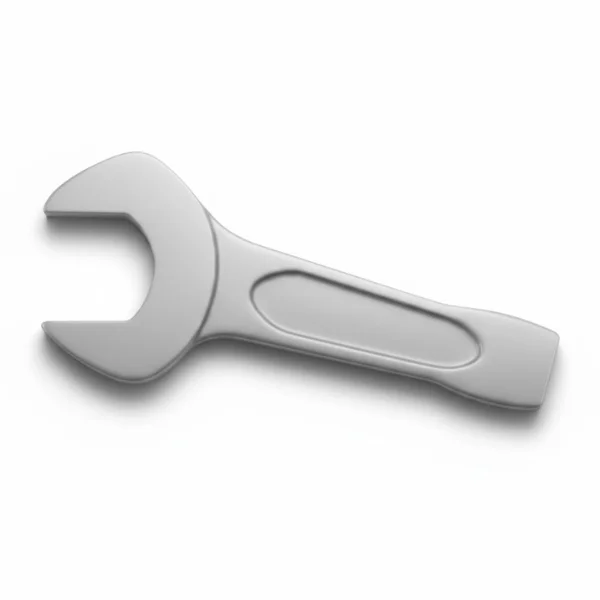
Technicians frequently use large open-jaw spanners during field repairs where sockets cannot fit over protruding components.
Industrial Plant Maintenance
Pump and compressor mounting bolts
Large pipe flange assemblies
Mechanical equipment bases
These bolts often require periodic tightening or removal during shutdown maintenance cycles.
Fabrication and Structural Assembly
Steel structures
Machinery frames
Structural brackets
During fabrication, large spanners allow technicians to apply controlled manual torque on structural fasteners.
Infrastructure and EPC Projects
Mechanical installation projects
Heavy machinery installation
Contractor toolkits
Contractors commonly maintain standardized toolkits including large spanners such as 50 mm sizes.
Selection Guidance – Choosing the Correct Spanner
Selecting a spanner should not be based only on fastener size. Industrial environments require consideration of torque demands and working access.
Key Selection Criteria
Fastener Size
The spanner must match the exact across-flat dimension of the nut or bolt head.
Example:
Fastener Across Flats |
Required Spanner |
|
50 mm |
50 mm Spanner |
Using a larger tool may lead to jaw slip and rounding of bolt heads.
Access Conditions
Open-jaw spanners are preferred when:
Nuts are located close to machine frames
Pipework blocks socket access
Stud bolts prevent ring spanner placement
Torque Requirements
For high torque applications, technicians often combine:
Large spanner
Torque multiplier
Extension handle
Improper torque application can damage both fastener and tool.
Capacity / Calculation Example
Understanding bolt size relationships helps confirm tool selection.
Example: Fastener Identification
A 50 mm across-flat nut typically corresponds to large metric bolts used in heavy equipment.
Approximate relationship:
Bolt Diameter |
Typical Nut AF Size |
|
M30 |
46 mm |
|
M33 |
50 mm |
|
M36 |
55 mm |
Therefore, a 50 mm spanner is commonly used for M33 bolts.
Example: Torque Context
For an M33 structural bolt, tightening torque may exceed 1000 Nm depending on grade.
Manual tightening using a spanner requires:
Adequate handle length
Controlled leverage
Operator awareness
Large spanners provide the mechanical leverage necessary for such tasks.
Failure Conditions & Misuse Risks
Incorrect use of industrial spanners can result in tool deformation or fastener damage.
Common Misuse Conditions
Oversized Fastener
Using a 50 mm spanner on a larger nut can cause jaw spreading.
Hammering the Tool
Striking the spanner to increase torque can lead to:
Jaw distortion
Material fatigue
Tool failure
Extension Pipes
Technicians sometimes extend handles using pipes to increase leverage. This practice may exceed design load capacity.
Rounded Fasteners
Open-jaw spanners should not be used on damaged or worn nut corners, as the tool may slip under load.
Material & Compatibility Table
Large spanners must be compatible with industrial fastener materials and environments.
Fastener Material |
Compatibility |
Notes |
|
Carbon Steel Bolts |
Compatible |
Common in machinery |
|
Alloy Steel Bolts |
Compatible |
Used in high-strength assemblies |
|
Stainless Steel Fasteners |
Compatible |
Requires careful torque control |
|
Structural Bolts |
Compatible |
Used in heavy structures |
|
High Corrosion Environments |
Acceptable |
Surface finish provides basic protection |
Operational Handling & Installation Considerations
Proper tool handling reduces risk of operator injury and equipment damage.
Safe Usage Practices
Ensure Full Jaw Engagement
The nut must sit fully inside the jaw profile before torque is applied.
Apply Force along the Handle Axis
Force should be applied parallel to the handle direction to prevent slippage.
Use Controlled Force
Rapid jerking movements can cause:
Tool slip
Sudden release
Operator injury
Maintain Tool Condition
Before use, inspect:
Jaw edges
Handle straightness
Surface cracks
Damaged spanners should be removed from service.
Commercial Clarity
Industrial procurement requires clear operational details before enquiry.
Lead Time
Typical dispatch depends on stock availability and order quantity.
Scenario |
Dispatch Timeline |
|
Ready Stock |
Same day or next working day |
|
Bulk Orders |
Subject to stock confirmation |
|
Project Requirements |
Dispatch scheduled based on quantity |
Dispatch Capability
Supply coverage includes Pan-India logistics through standard industrial freight networks.
Dispatch options may include:
Surface transport
Courier delivery
Bulk shipment arrangements
Minimum Order Quantity
Order Type |
MOQ |
|
Standard Purchase |
Typically 1 unit |
|
Bulk Procurement |
As per order quantity |
Customization Availability
This product is a standard manufacturer tool.
Customization is generally not applicable, but bulk supply for project toolkits may be arranged.
Compliance / Certification
The tool conforms to manufacturer specifications for industrial hand tools.
Procurement teams may request:
GST invoice
Product identification confirmation
Supplier documentation
Tender Compatibility
For procurement tenders, buyers typically provide:
Brand specification
Model number
Quantity
Supply can be aligned with such documentation requirements.
Procurement Process – How to Enquire
To process an industrial enquiry efficiently, buyers should provide the following information.
Required Details
Information |
Purpose |
|
Model Number |
Product confirmation |
|
Quantity |
Stock planning |
|
Delivery Location |
Logistics planning |
|
Company Name |
Invoice preparation |
|
Contact Person |
Procurement communication |
Typical Procurement Flow
Product specification confirmation
Quantity requirement shared
Supply availability confirmation
Quotation issued
Dispatch scheduling after order confirmation
This process ensures accurate fulfillment of industrial orders.
Comparison Table – Common Alternatives
Industrial buyers sometimes evaluate alternative tools.
Tool Type |
Advantage |
Limitation |
|
Open-Jaw Spanner |
Access to restricted fasteners |
Lower torque control |
|
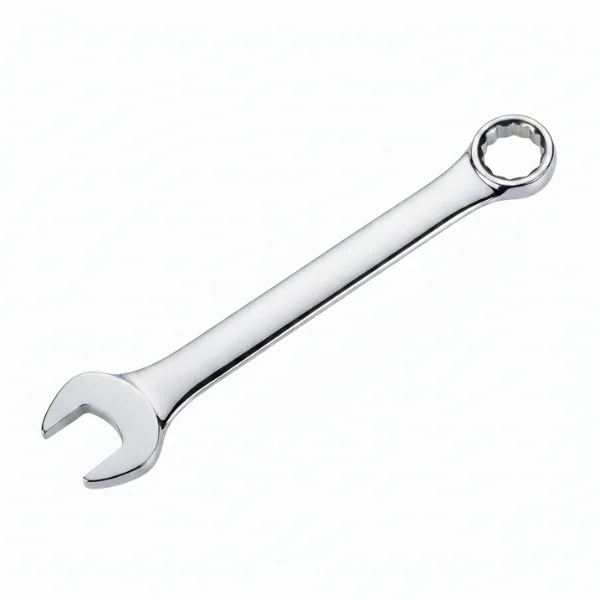
Ring Spanner |
Full nut engagement |
Requires axial clearance |
|
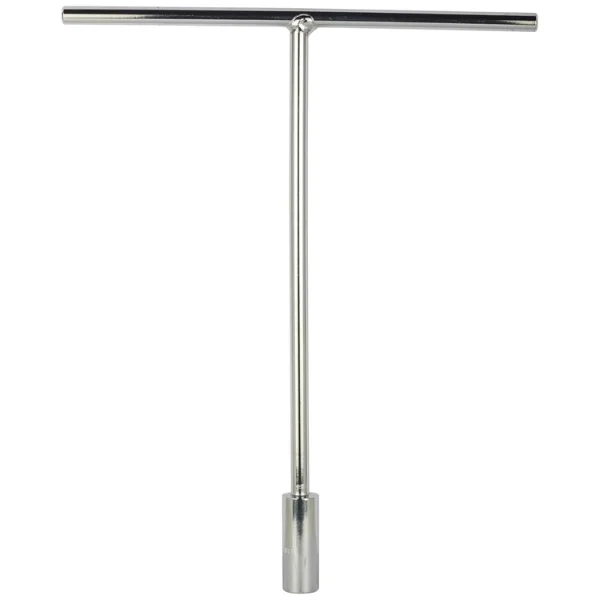
Socket Wrench |
High torque capability |
Needs full access around bolt |
|
Adjustable Wrench |
Multi-size usability |
Lower precision fit |
For fixed large fasteners in tight areas, open-jaw spanners remain practical.
Selection Checklist (Decision Validation)
Before purchasing the STMT96987 spanner, verify the following:
Fastener across-flat size is 50 mm
Application requires open-jaw access
Torque requirement is suitable for manual spanner operation
Tool will be used in industrial maintenance or installation
Procurement specification requires STANLEY model STMT96987
Supplier can provide confirmed availability and dispatch timeline
This checklist helps ensure correct tool selection before procurement.
High-Intent FAQs
Is the STMT96987 suitable for heavy industrial bolts?
Yes. The 50 mm size category is typically used for large mechanical fasteners found in heavy machinery and structural assemblies.
What fastener size normally requires a 50 mm spanner?
A 50 mm spanner commonly fits M33 bolts or similar large hex fasteners, depending on the application standard.
Can this spanner be used for torque tightening?
Open-jaw spanners are primarily used for manual tightening and loosening, not precision torque settings. Torque wrenches or sockets are preferred where exact torque is required.
Is the tool suitable for field maintenance work?
Yes. Open-jaw spanners are widely used in field repairs where socket tools cannot be positioned due to surrounding components.
Does the spanner require any special maintenance?
Routine maintenance includes:
Cleaning after use
Checking for jaw wear
Storing in dry tool storage
These practices extend the tool’s service life.
Can extension pipes be used to increase leverage?
Using extension pipes may apply excessive torque beyond design limits and can damage the tool. Controlled force is recommended.
Is the model number important during procurement?
Yes. Providing the exact model number (STMT96987) ensures the correct tool specification is supplied.
Technical Specifications
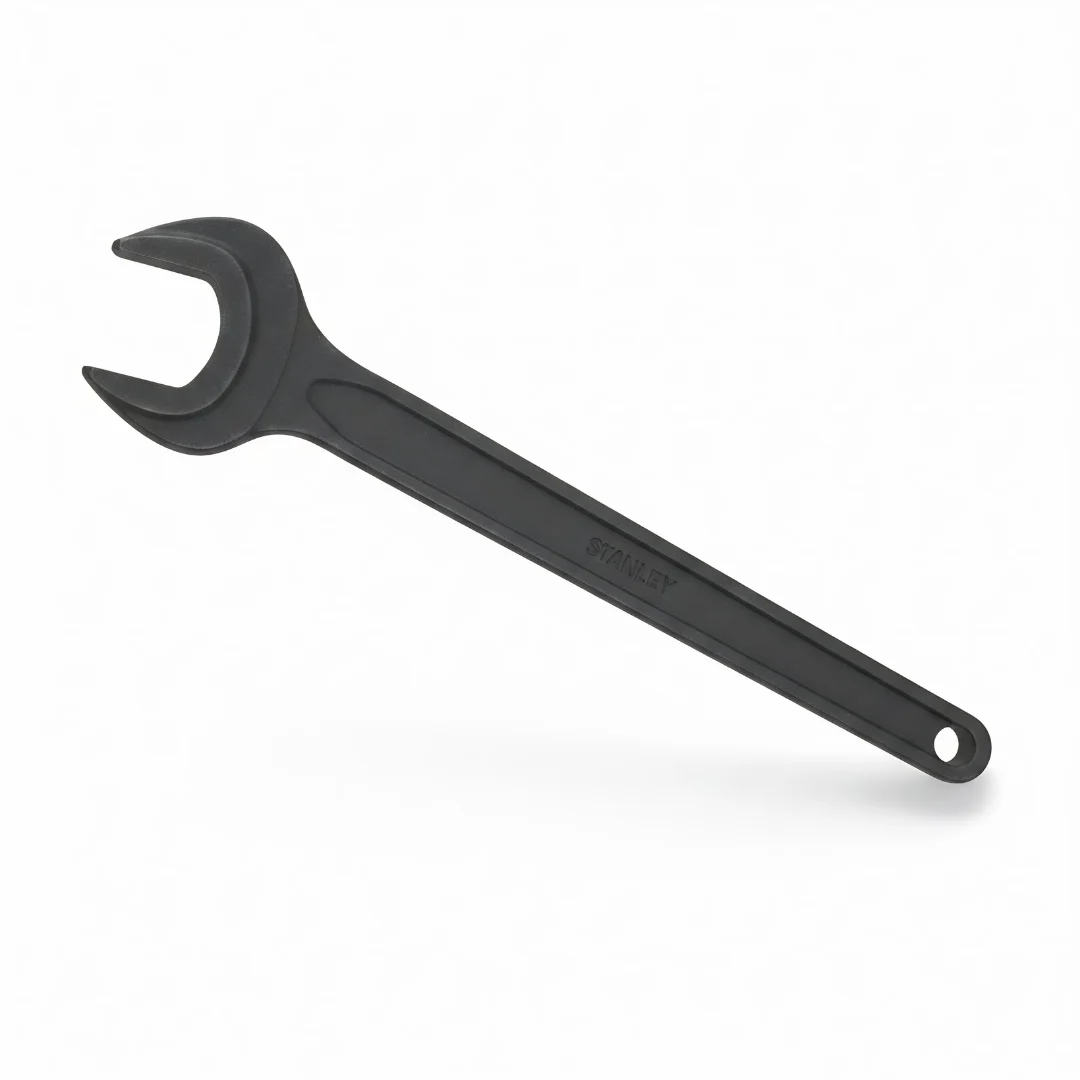
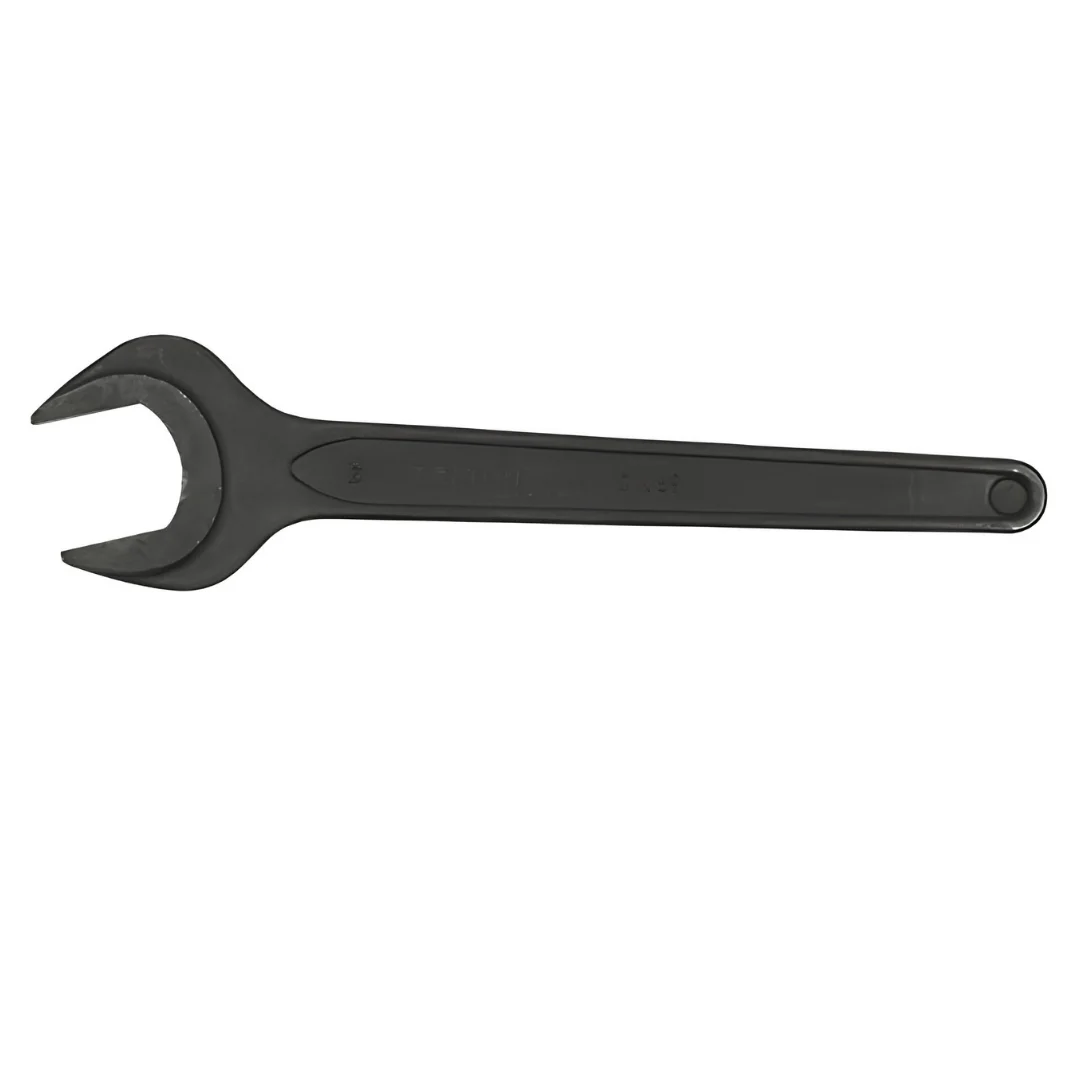
The STMT96987 belongs to a category of industrial forged spanners designed for durability under repeated mechanical loading.
Product Identification
|
Parameter |
Specification |
|
Brand |
STANLEY |
|
Model Number |
STMT96987 |
|
Tool Type |
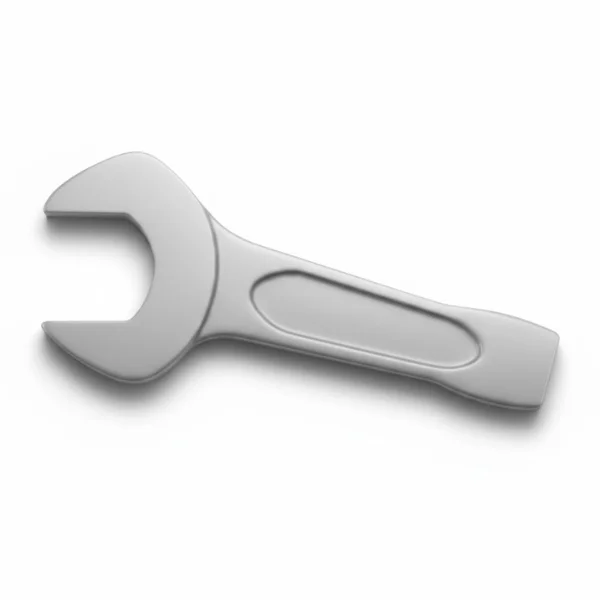
Single-End Open-Jaw Spanner |
|
Jaw Size |
50 mm |
|
Standard |
Industrial Hand Tool |
|
Application |
Hexagonal fasteners |
|
Typical Use |
Maintenance / Assembly |
Construction Details
|
Feature |
Description |
|
Material |
Chrome Vanadium Steel |
|
Manufacturing Process |
Drop Forged |
|
Surface Finish |
Corrosion resistant finish |
|
Jaw Type |
Open Jaw |
|
Tool Category |
Large Industrial Spanner |
Functional Characteristics
|
Parameter |
Purpose |
|
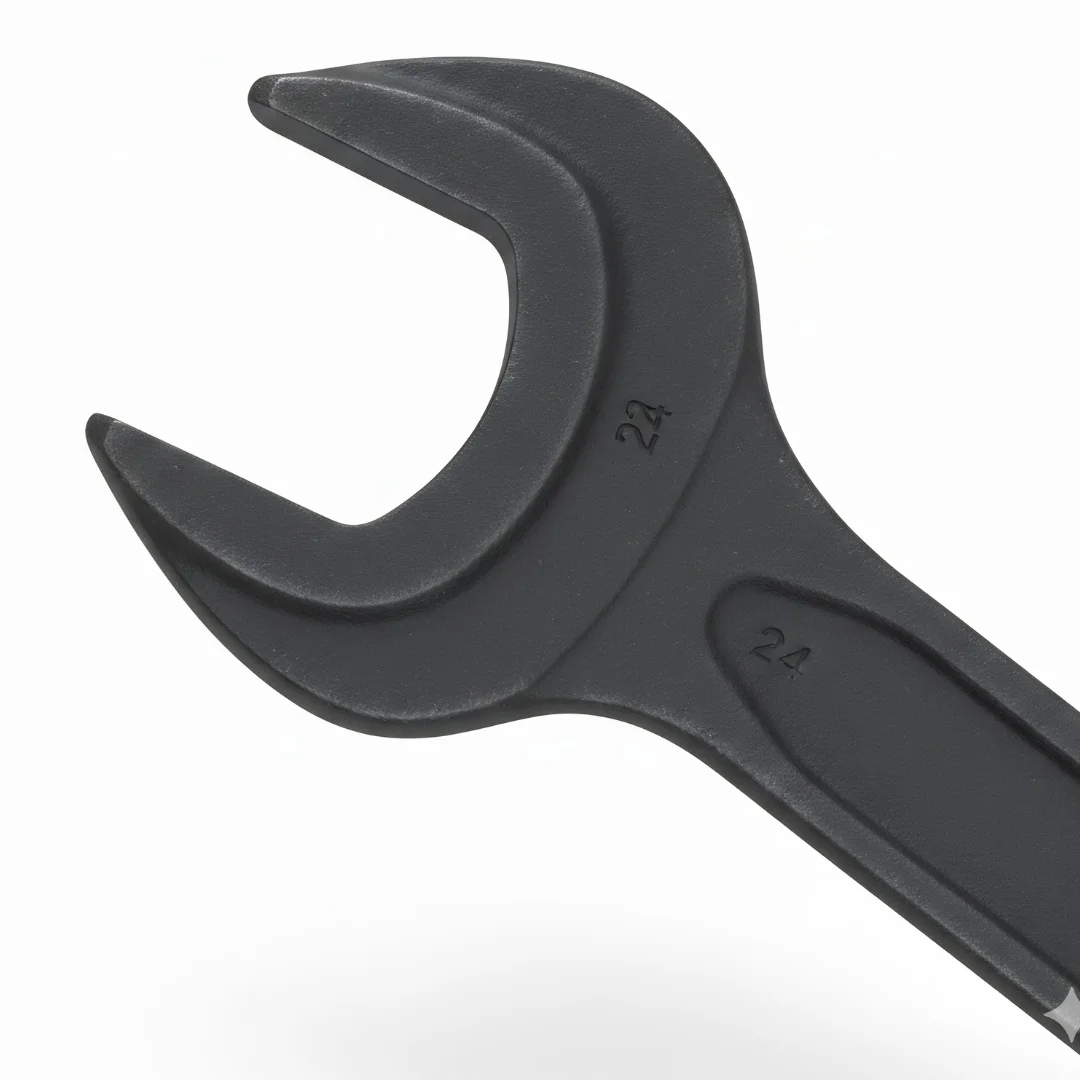
Jaw Opening |
Fits 50 mm hex fasteners |
|
Open Design |
Allows lateral engagement |
|
Forged Body |
Improves strength and durability |
|
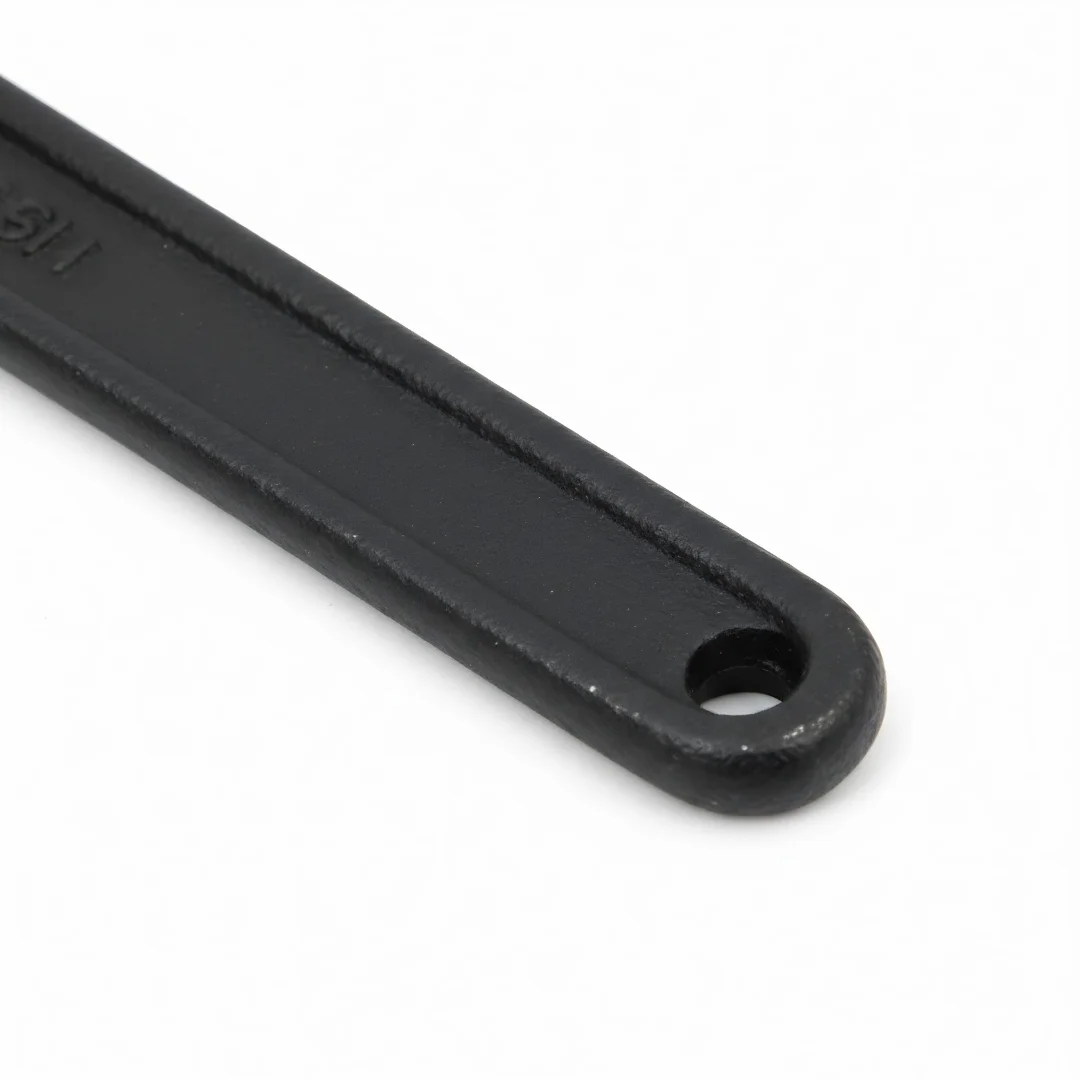
Long Handle Geometry |
Improves leverage during tightening |







Customer reviews