





Application Context & Use Cases
Application Context & Use Cases
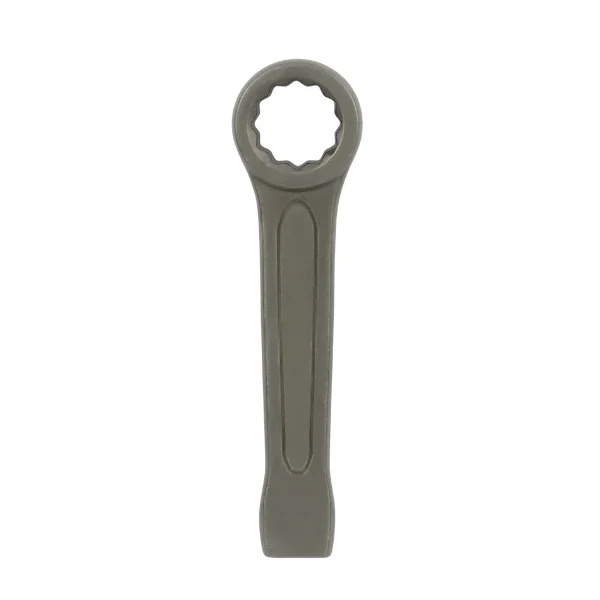
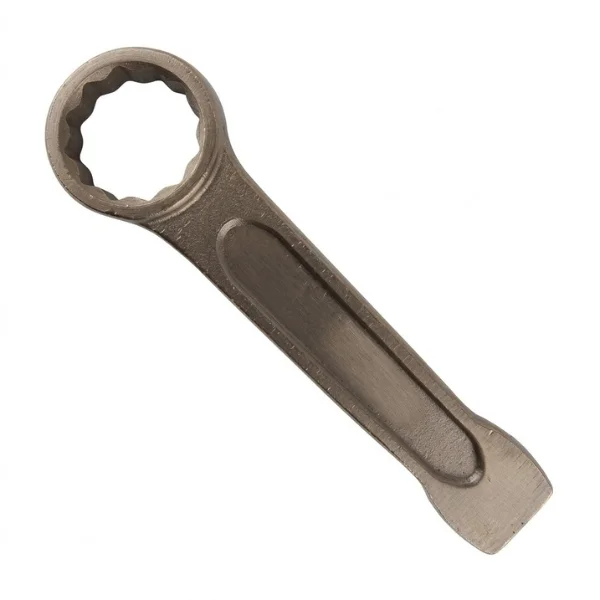
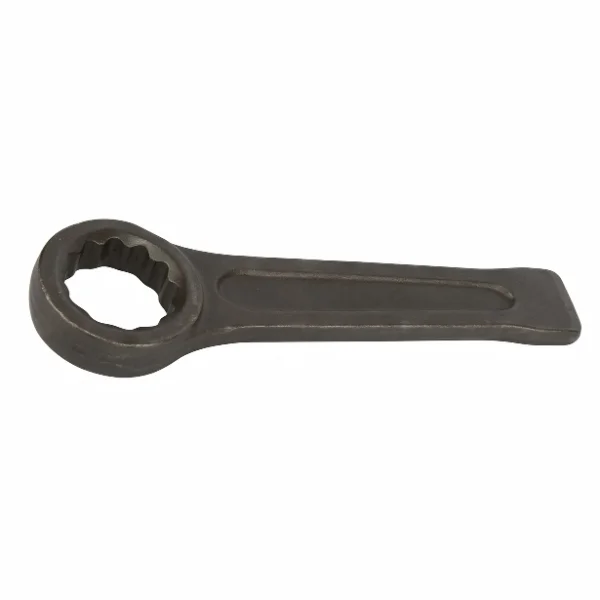
Slogging spanners are used in environments where high torque must be applied manually through hammer strikes. The STMT96964 model is commonly selected for large fastener assemblies around 46 mm hex sizes.
Typical operational contexts include:.
Heavy Plant Maintenance
Large industrial facilities frequently require hammer-driven wrenches for loosening seized bolts during shutdown maintenance.
Common sectors include:
Steel plants
Cement manufacturing plants
Thermal and hydro power stations
Petrochemical processing units
Maintenance teams use slogging spanners when:
Bolts are heavily torqued
Corrosion or heat exposure increases friction
Powered torque tools are unavailable
Infrastructure & EPC Projects
Large mechanical assemblies in infrastructure projects often involve high-diameter bolts requiring controlled impact tightening.
Typical applications:
Turbine mounting
Heavy structural frames
Bridge assembly
Industrial machinery installation
Mining & Heavy Equipment Maintenance
Mining equipment involves extremely large fasteners exposed to vibration and load.
Maintenance crews use slogging spanners for:
Crusher maintenance
Excavator assemblies
Conveyor structures
Shipbuilding & Marine Engineering
Large marine components frequently use heavy fasteners that require manual impact torque during installation and servicing.
Selection Guidance
Selecting the correct slogging spanner is primarily determined by fastener size and operational torque requirements.
Fastener Compatibility
The spanner size must match the exact nut or bolt head dimension.
Example:
46 mm nut → 46 mm ring spanner
Any mismatch leads to:
Slipping
Rounding of bolt heads
Tool damage
Operating Environment
Choose a slogging spanner when:
Torque requirements exceed manual wrench capacity
Fasteners are seized or corroded
Powered torque tools are unavailable
Maintenance work is conducted in remote environments
Ring-End Advantage
Closed ring heads provide:
Full contact with bolt faces
Reduced risk of slippage
Improved torque transfer
For heavy-duty bolts, ring-end slogging spanners are typically preferred over open-end striking wrenches.
Capacity / Calculation Example
Industrial teams often estimate torque capability based on hammer strike energy and lever length.
Example Scenario
Bolt size: M30 structural bolt
Hex size: ~46 mm
Required torque: ~1,200 Nm (varies by application)
With a slogging spanner:
Lever length increases torque multiplication
Hammer strikes generate dynamic force
Example calculation concept:
Torque = Force × Lever Arm
If a hammer strike generates an estimated 2,500 N impulse force at a 0.35 m lever distance:
Estimated torque potential:
≈ 875 Nm per effective strike
Multiple strikes allow gradual tightening or loosening.
Actual torque depends on:
Hammer weight
Strike angle
Friction conditions
Failure Conditions & Misuse Risks
Slogging spanners are designed for impact loads, but incorrect usage can still lead to failure.
Common Misuse Conditions
Incorrect Size Selection
Oversized tools may slip and damage bolt heads.
Use with Damaged Fasteners
Rounded bolts reduce contact surface and increase slippage risk.
Side Impact Striking
Hammer strikes should target the striking face directly.
Off-axis strikes may cause:
Tool bending
Operator injury
Using Excessive Force
Extremely heavy hammer blows may exceed safe operating limits.
Material / Compatibility Table
|
Application Environment |
Compatibility |
|
Heavy industrial maintenance |
Suitable |
|
Structural steel installation |
Suitable |
|
Mining equipment maintenance |
Suitable |
|
High-precision torque assembly |
Not recommended |
|
Small machinery servicing |
Not required |
Operational Handling & Installation Considerations
Proper handling significantly affects both operator safety and tool life.
Hammer Selection
Typical hammer weight used:
2–4 kg sledge hammer
Heavier hammers increase torque but require controlled striking.
Strike Technique
Recommended approach:
Align ring end fully over fastener
Ensure tool is seated correctly
Strike the designated impact area
Maintain stable operator stance
Safety Considerations
Operators should use:
Safety gloves
Eye protection
Steel-toe footwear
Industrial environments often require compliance with plant safety procedures.
Commercial Clarity
Lead Time
Stock availability varies by batch and demand.
Typical scenarios:
Stocked tools: immediate dispatch
Non-stock items: short procurement cycle
Dispatch Capability
Pan-India dispatch available via:
Industrial logistics carriers
Express courier networks for urgent orders
Minimum Order Quantity (MOQ)
Usually:
Single piece supply available
Bulk procurement possible for project requirements
Customization Availability
Customization generally not applicable for standard branded tools.
However, procurement support may include:
Bulk tool sets
Mixed size orders
Compliance & Certification
Industrial buyers often request documentation confirming:
Brand authenticity
Manufacturing standards
GST compliant invoicing
These can be provided during procurement.
Tender Compatibility
Many EPC contractors and government buyers procure tools through tenders.
Supplier support can include:
Quotation documentation
Commercial proposals
GST compliant invoices
Procurement Process
To ensure correct supply, procurement enquiries should include the following information.
Required Details
Product: STANLEY STMT96964
Size: 46 mm
Quantity required
Delivery location
Company name and GST details
Typical Procurement Flow
Buyer submits enquiry
Product availability verified
Quotation issued
Purchase order confirmation
Dispatch arranged
Delivery tracking shared
This process allows efficient handling of industrial maintenance requirements.
Comparison Table
|
Tool Type |
Typical Use |
Advantages |
Limitations |
|
Ring-End Slogging Spanner |
Heavy bolt tightening |
Full bolt contact, high torque |
Manual hammer operation |
|
Open-End Striking Wrench |
Limited clearance bolts |
Easier positioning |
Less torque stability |
|
Hydraulic Torque Wrench |
Precision torque |
Accurate torque control |
Expensive equipment |
|
Standard Combination Spanner |
Light duty work |
Easy handling |
Insufficient torque capacity |
Selection Checklist
Before procuring a 46 mm slogging spanner, verify the following:
Bolt head size is exactly 46 mm
High torque manual operation is required
Powered torque tools are unavailable or unnecessary
Hammer striking operation is permitted in the workspace
Tool clearance allows hammer swing
If these conditions are met, a slogging spanner is typically the appropriate tool.
High-Intent FAQs
What size bolt fits a 46 mm slogging spanner?
A 46 mm spanner is used for fasteners with a 46 mm hex head dimension, commonly found in large structural or industrial bolts.
Is the STMT96964 suitable for heavy industrial use?
Yes. This model is designed for impact-driven torque applications in heavy maintenance and equipment assembly environments.
Can a slogging spanner replace a torque wrench?
No. Slogging spanners provide high torque through hammer impact but do not provide calibrated torque control.
What hammer weight is typically used with slogging spanners?
Most industrial teams use 2–4 kg sledge hammers depending on torque requirements.
Is a ring-end slogging spanner better than an open-end version?
Ring-end types provide full fastener contact, improving torque transfer and reducing slip risk.
Can this tool be used for rusted bolts?
Yes. Slogging spanners are commonly used for loosening seized or corroded fasteners during maintenance.
Are these tools typically stocked or made to order?
Standard sizes such as 46 mm are commonly stocked by industrial suppliers, although availability may vary depending on demand.
Technical configuration overview
Technical Specifications
Core Product Data
Parameter |
Specification |
|
Brand |
STANLEY |
|
Model |
STMT96964 |
|
Tool Type |
Ring-End Slogging Spanner |
|
Nominal Size |
46 mm |
|
Drive Method |
Hammer striking |
|
Construction |
Drop forged steel |
|
Head Type |
Closed ring |
|
Application |
High torque bolt tightening / loosening |
Dimensional Reference
Specification |
Value |
|
Spanner Size |
46 mm |
|
Ring End Type |
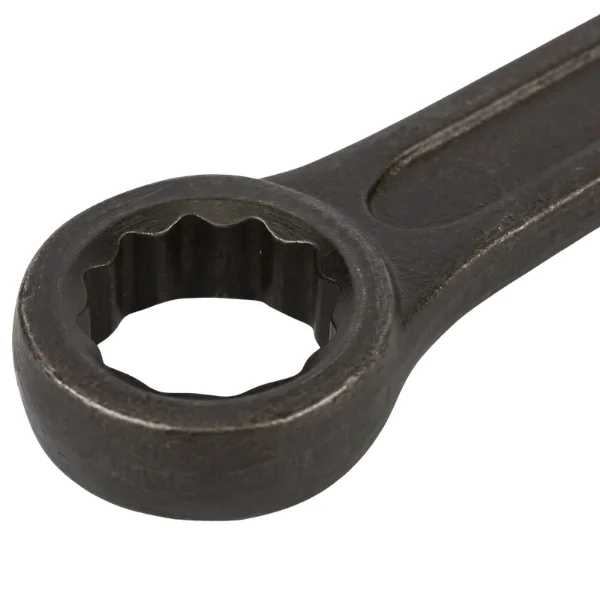
12-point ring |
|
Typical Length |
~360–420 mm (approximate range depending on manufacturing series) |
|
Head Thickness |
Heavy duty industrial profile |
Note: Actual dimensions may vary slightly depending on production batch.
Mechanical Characteristics
Property |
Typical Industrial Expectation |
|
Impact Resistance |
Designed for repeated hammer striking |
|
Load Distribution |
Uniform around fastener head |
|
Structural Integrity |
High resistance to bending under load |
|
Durability |
Suitable for repeated maintenance operations |







Customer reviews