



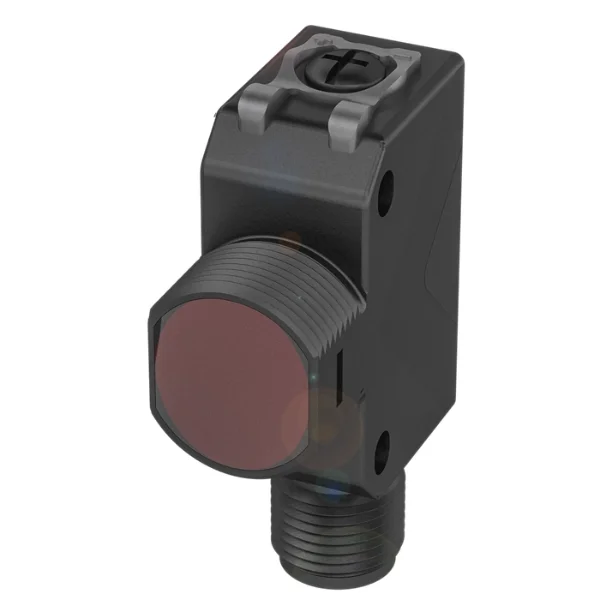
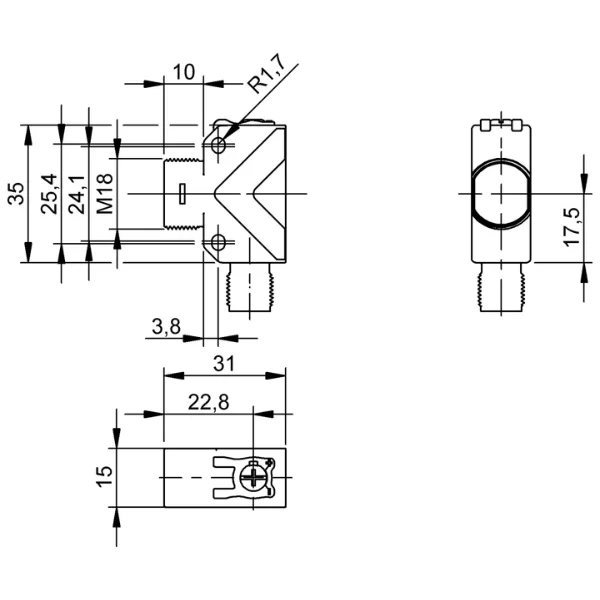
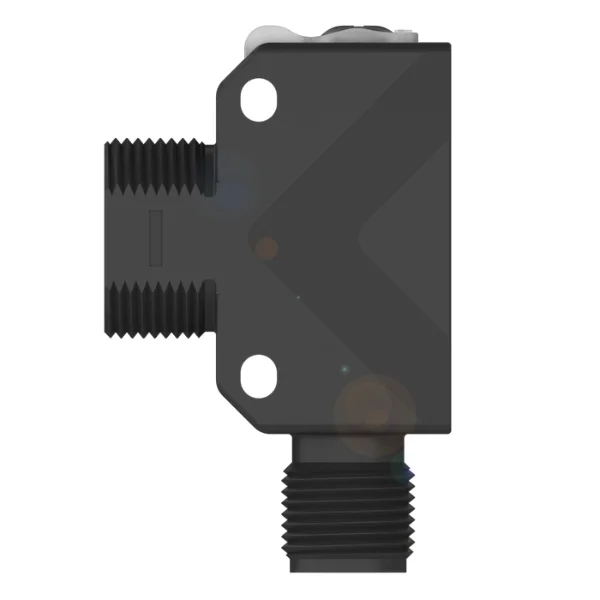


With a broad industrial product portfolio and pan-India supply capability, the company assists customers in sourcing suitable Balluff sensor solutions for new installations, upgrades, and replacement requirements.
What is Balluff BOS0290 BOS R81K-PA-IE10-S4?
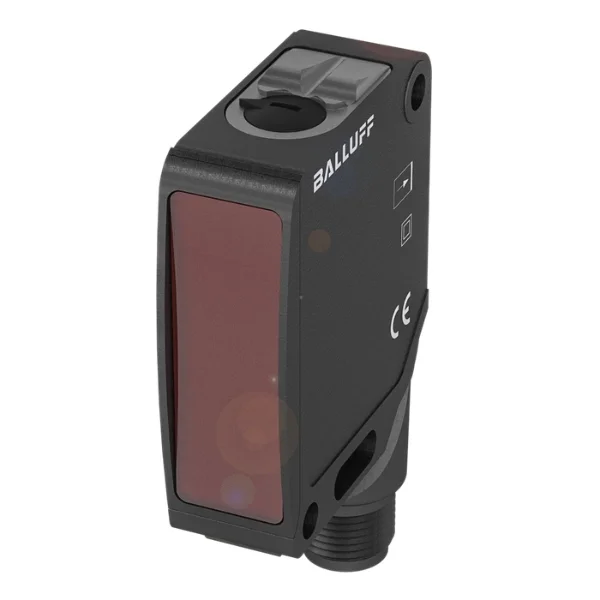
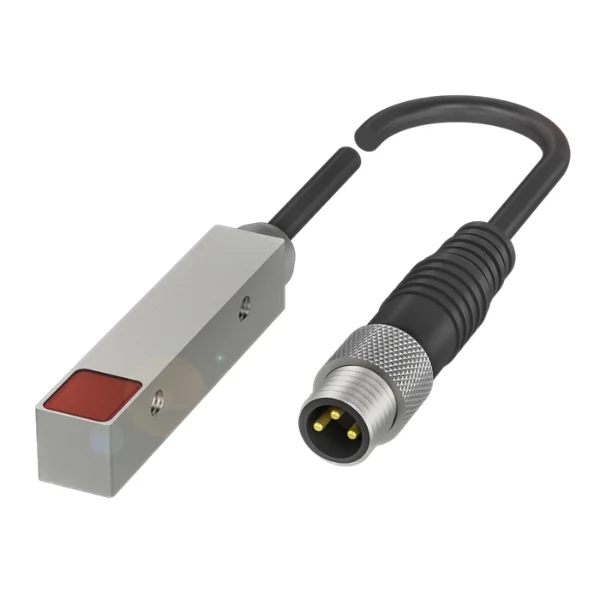
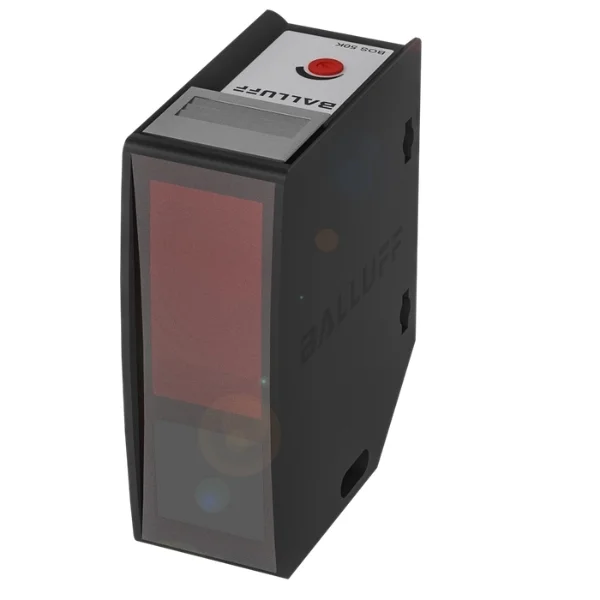
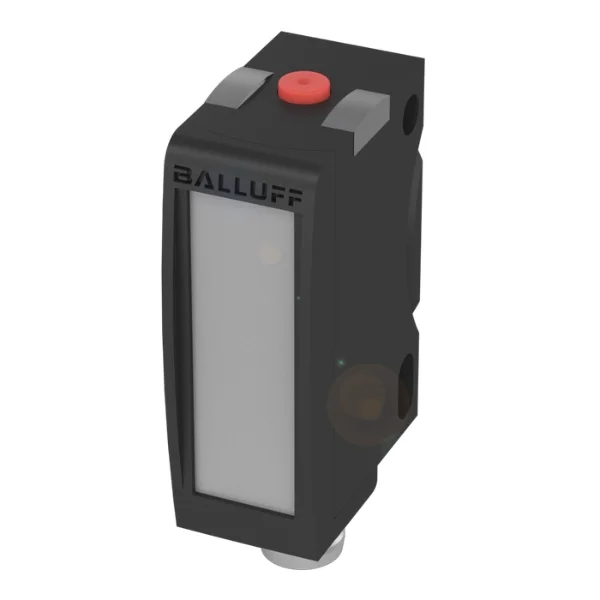
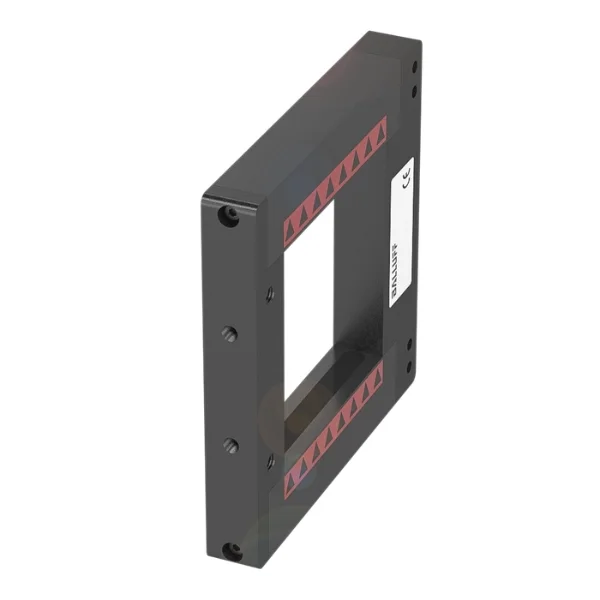
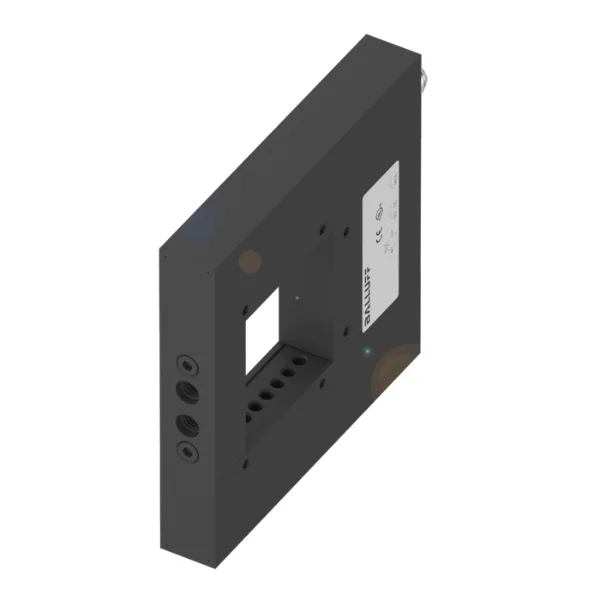
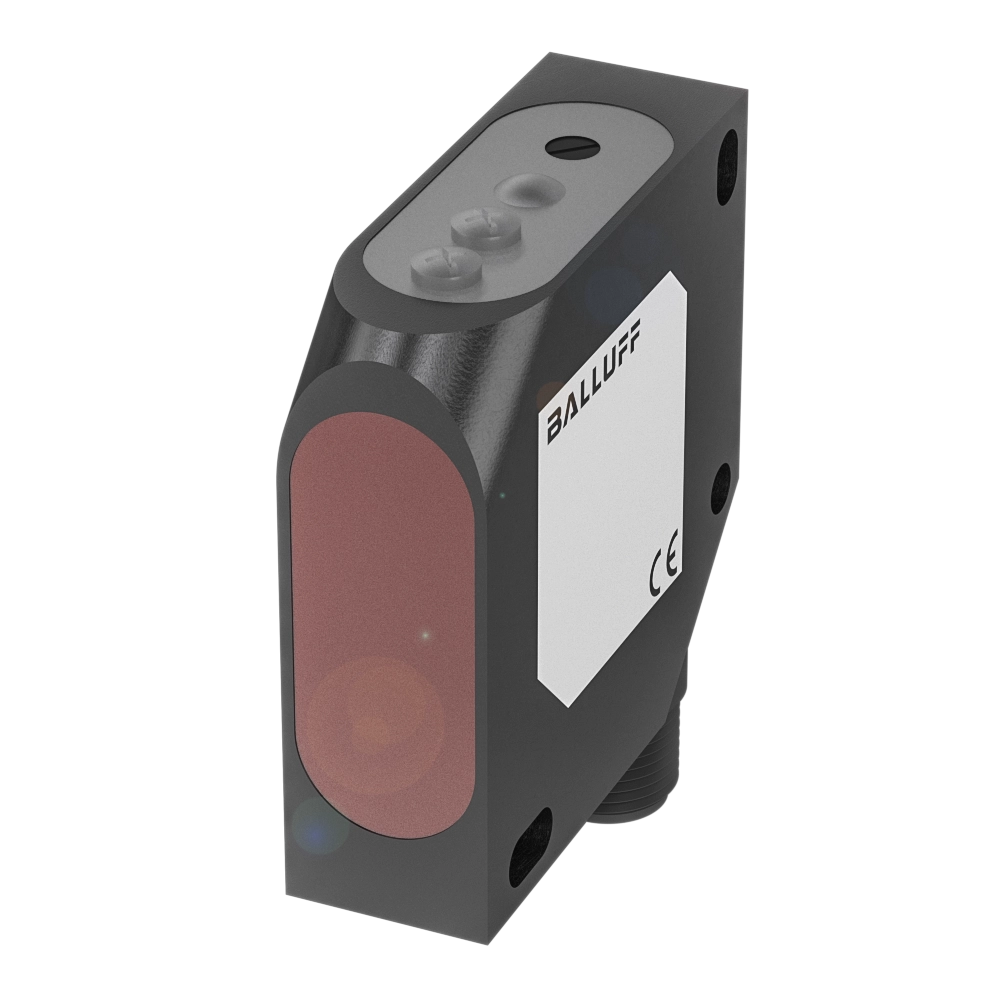
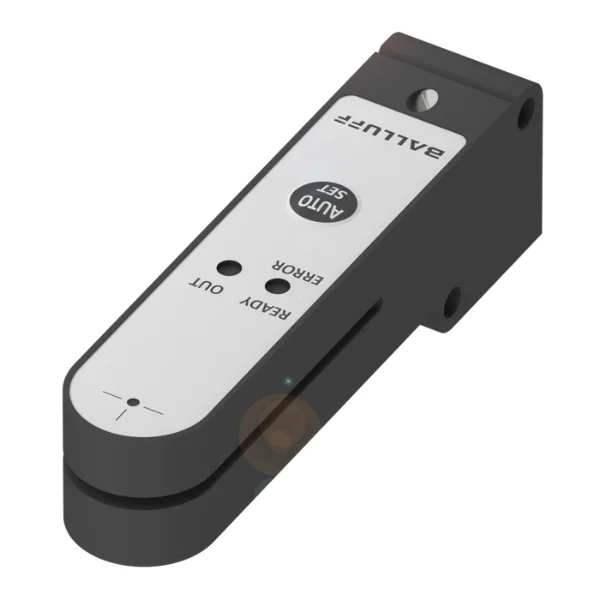
Balluff BOS0290 BOS R81K-PA-IE10-S4 is an industrial photoelectric sensor designed for object detection and position monitoring in automated systems. It is typically used where non-contact sensing is required for machine control, conveying operations, packaging processes, and production line automation while helping maintain reliable detection performance in industrial environments.
In modern automation systems, photoelectric sensors serve as essential components for identifying the presence, absence, movement, or position of products and machine elements. The Balluff BOS0290 BOS R81K-PA-IE10-S4 belongs to Balluff's photoelectric sensing portfolio and is commonly considered when production environments require fast, repeatable, and non-contact detection.
Unlike mechanical limit switches that rely on physical contact, photoelectric sensors use optical principles to detect targets. This approach helps reduce mechanical wear while supporting continuous operation in automated manufacturing and material flow systems.
Industrial buyers typically evaluate sensors such as the Balluff BOS0290 BOS R81K-PA-IE10-S4 based on factors including:
• Detection reliability
• Installation requirements
• Environmental suitability
• Machine compatibility
• Integration with PLC and control systems
• Maintenance accessibility
For many industrial projects, sensor selection directly affects machine uptime, process stability, and production efficiency.
Applications of Balluff BOS0290 BOS R81K-PA-IE10-S4
Industrial automation projects often require different sensing approaches depending on product characteristics, line speed, and environmental conditions. The Balluff BOS0290 BOS R81K-PA-IE10-S4 can be evaluated for several operational scenarios.
Conveyor Product Detection
Production and logistics systems frequently require accurate identification of cartons, trays, containers, or manufactured components moving along conveyor lines. Photoelectric sensing helps control routing decisions, counting functions, and process synchronization.
Packaging Line Monitoring
Packaging machines depend on precise object positioning to coordinate filling, sealing, labeling, and sorting operations. Reliable optical detection contributes to process consistency and reduced interruption during production cycles.
Automated Assembly Equipment
Assembly systems often require verification that parts are correctly positioned before subsequent machine actions occur. Sensors help provide positional feedback to controllers and automation equipment.
Pallet Handling Systems
Warehouse automation and intralogistics environments utilize sensing technology for pallet movement confirmation, transfer station monitoring, and automated transport control.
Production Flow Verification
Manufacturing facilities may use photoelectric sensors to verify that components move through designated process stages without interruption, supporting quality and throughput objectives.
Machine Safety and Process Sequencing Support
While not replacing dedicated safety devices, photoelectric sensing can support machine sequencing logic by confirming object presence before operational steps are executed.
Automated Sorting Operations
Distribution centers and manufacturing plants use optical sensing technologies to identify items moving through sorting stations where routing decisions must be made quickly and accurately.
Industries Using Balluff BOS0290 BOS R81K-PA-IE10-S4
The operational requirements for industrial sensors vary significantly between industries. The Balluff BOS0290 BOS R81K-PA-IE10-S4 may be considered across a range of sectors where automated object detection is required.
Packaging and Processing Facilities
Packaging operations depend heavily on sensor-based verification to maintain consistent throughput and product handling accuracy.
Food and Beverage Production
Production lines often require non-contact detection methods to support automated movement and monitoring of packaged products throughout manufacturing processes.
Warehousing and Logistics
Distribution facilities use sensing technologies for conveyor management, item tracking, transfer point control, and automated handling systems.
Consumer Goods Manufacturing
Manufacturers producing household products, personal care products, and packaged goods frequently integrate photoelectric sensors into automated assembly and packaging systems.
Automotive Component Production
Automotive suppliers use industrial sensing devices for workstation monitoring, component verification, assembly sequencing, and material movement management.
Electronics Manufacturing
Precision manufacturing environments require reliable object detection for handling small components and supporting automated production workflows.
Machinery and Equipment Building
OEM machine builders integrate photoelectric sensors into equipment designs to support monitoring, automation logic, and operational control.
Operational Considerations
Selecting the right industrial sensor involves more than matching a catalog number. The surrounding operating environment often determines long-term performance.
Key considerations include:
Target Characteristics
Object color, reflectivity, surface finish, transparency, and size can influence optical sensing effectiveness. Testing under actual operating conditions is often recommended.
Mounting Location
Sensor placement affects detection stability. Engineers should consider vibration sources, moving equipment, and accessibility for maintenance activities.
Environmental Exposure
Dust, moisture, airborne particles, and washdown requirements may influence sensor selection and protective installation strategies.
Control System Integration
The Balluff BOS0290 BOS R81K-PA-IE10-S4 should be evaluated for compatibility with PLCs, machine controllers, industrial I/O systems, and automation architectures used within the facility.
Maintenance Accessibility
Facilities seeking reduced downtime typically consider how easily a sensor can be inspected, adjusted, cleaned, or replaced during scheduled maintenance periods.
Customization Options
As a supplier and distributor, Indus Megamart provides sourcing assistance for available Balluff configurations. Custom manufacturing modifications are not offered.
However, project teams may evaluate configuration-related considerations such as:
• Mounting accessories
• Sensor brackets
• Cable arrangements
• Connector options
• Integration accessories
• Control panel compatibility
• Installation environment requirements
Selection options depend on the available Balluff product range and project-specific requirements.
Product Supply & Distribution Capability
Indus Megamart operates as a supplier and distributor of industrial automation products and supports procurement requirements across multiple industrial sectors.
Supply support includes:
• Product sourcing assistance
• Industrial procurement support
• OEM supply requirements
• Maintenance replacement sourcing
• Project-based supply coordination
• Multi-location delivery support
• Technical documentation assistance
Customers can also learn more about the organization through the About Us page:
https://www.indusmegamart.com/about-us
The company supports both planned procurement activities and urgent replacement requirements depending on product availability and project schedules.
Supply Across India
Indus Megamart supports customers throughout India, helping industrial buyers source Balluff sensing products for automation projects across diverse sectors.
Industries served may include:
• Manufacturing plants
• Industrial automation integrators
• Process industries
• Warehousing operations
• Packaging facilities
• OEM machine builders
• Infrastructure projects
Pan-India supply capability helps organizations coordinate procurement requirements across multiple plant locations while working through a single sourcing partner.
How to Choose the Right Balluff BOS0290 BOS R81K-PA-IE10-S4
Selecting a photoelectric sensor should be based on operational requirements rather than product identification alone. Procurement teams, automation engineers, and machine builders should assess how the sensor will interact with the production environment and control architecture.
Key evaluation factors include:
Detection Requirement
Determine whether the application requires presence detection, position verification, counting, sorting, or process monitoring. The sensing objective often influences the preferred optical sensing configuration.
Target Material Characteristics
Evaluate the physical properties of the objects being detected, including:
• Surface finish
• Reflectivity
• Shape
• Size
• Color variation
• Transparency
Different products and packaging materials may influence sensing performance.
Installation Environment
Review conditions such as:
• Dust exposure
• Moisture levels
• Ambient lighting
• Machine vibration
• Temperature fluctuations
• Space constraints
Environmental conditions often affect long-term sensor reliability.
Machine Integration Requirements
Verify compatibility with:
• PLC systems
• Industrial I/O modules
• Automation controllers
• Machine communication architecture
• Existing sensor infrastructure
Maintenance Considerations
Facilities focused on uptime should evaluate ease of access, cleaning requirements, replacement procedures, and spare part availability.
Buyer Checklist
Before placing an order, confirm:
• Required sensing function
• Installation constraints
• Electrical compatibility
• Environmental conditions
• Available mounting accessories
• Cable and connector requirements
• Delivery timeline
• Technical documentation requirements
Comparison Table
Industrial buyers frequently compare photoelectric sensors against alternative sensing technologies before procurement. The table below provides a general comparison for evaluation purposes.
Evaluation Factor |
Photoelectric Sensors |
Inductive Sensors |
Capacitive Sensors |
|
Contact Required |
No |
No |
No |
|
Object Detection |
Broad range of targets |
Metallic targets primarily |
Metallic and non-metallic |
|
Typical Use |
Presence and position detection |
Metal detection |
Material-level detection |
|
Machine Integration |
Common in automation systems |
Common in manufacturing |
Common in process applications |
|
Product Flow Monitoring |
Suitable |
Limited by target type |
Application dependent |
|
Packaging Applications |
Common |
Limited |
Possible |
|
Conveyor Systems |
Frequently used |
Application dependent |
Application dependent |
|
Optical Target Detection |
Yes |
No |
No |
When comparing alternatives, the most appropriate technology depends on the object being detected, environmental conditions, and process objectives rather than cost alone.
Typical Use Case Scenarios
The Balluff BOS0290 BOS R81K-PA-IE10-S4 may be considered in several industrial deployment environments.
Scenario 1: Automated Packaging Line
A packaging facility requires reliable product detection before labeling equipment activates. Optical sensing helps verify product presence and coordinate machine operations.
Scenario 2: Conveyor Transfer Station
A distribution center needs confirmation that cartons have successfully transferred between conveyor sections. The sensor assists in monitoring product flow and preventing accumulation issues.
Scenario 3: OEM Machinery Integration
A machine builder integrates photoelectric sensing into a custom assembly machine to verify part positioning before automated processing begins.
Scenario 4: Warehouse Automation Project
Automated handling systems use sensing technology to monitor product movement through sorting and routing stations where rapid detection is required.
Procurement Process
Industrial procurement often involves technical evaluation, compatibility review, and delivery planning before order placement.
Typical procurement workflow:
Step 1: Define application requirements.
Step 2: Share machine or project specifications.
Step 3: Verify product suitability.
Step 4: Request commercial quotation.
Step 5: Confirm delivery requirements.
Step 6: Place purchase order.
Step 7: Coordinate dispatch and delivery.
For technical discussions or procurement enquiries, contact:
https://www.indusmegamart.com/contact-us
Organizations evaluating automation sensing solutions may also review company information through:
https://www.indusmegamart.com/about-us
Common Buyer Concerns Before Ordering
Industrial buyers frequently evaluate the following considerations before purchasing the Balluff BOS0290 BOS R81K-PA-IE10-S4.
Is the sensor suitable for the intended target material?
Detection performance may vary depending on object characteristics. Application-specific review is recommended before final selection.
Will the sensor integrate with existing control systems?
Compatibility should be verified against PLC architecture, I/O requirements, and machine design specifications.
Can it operate in demanding industrial environments?
Environmental suitability depends on factors such as contamination levels, moisture exposure, and installation conditions.
Are replacement units readily available?
Availability depends on inventory status, supply schedules, and project timelines. Procurement planning can help reduce downtime risks.
What accessories may be required?
Mounting hardware, connectors, cables, and installation accessories may be needed depending on machine design requirements.
Frequently Asked Questions
What is the primary purpose of Balluff BOS0290 BOS R81K-PA-IE10-S4?
Balluff BOS0290 BOS R81K-PA-IE10-S4 is primarily used for non-contact object detection and position monitoring in industrial automation systems. It helps machines identify products, components, or moving items without physical contact, supporting reliable process control.
How does a photoelectric sensor differ from an inductive sensor?
Photoelectric sensors use optical principles to detect objects, while inductive sensors are designed primarily for metallic targets. The choice depends on the material being detected, installation environment, and process requirements.
Can Balluff BOS0290 BOS R81K-PA-IE10-S4 be used in conveyor systems?
Yes. Photoelectric sensors are commonly integrated into conveyor applications for product detection, counting, transfer verification, and routing control. Suitability should be evaluated against the specific conveyor design and target characteristics.
Is this sensor suitable for OEM machine builders?
Many machine builders evaluate photoelectric sensors for automation projects because they provide non-contact detection and integration flexibility. Final suitability depends on machine design requirements and control system architecture.
What factors should be considered before selecting a photoelectric sensor?
Key considerations include object characteristics, sensing requirements, installation environment, electrical compatibility, controller integration, maintenance accessibility, and project-specific operational conditions.
Does Balluff BOS0290 BOS R81K-PA-IE10-S4 require regular maintenance?
Maintenance requirements vary by operating environment. Periodic inspection and cleaning may be beneficial in areas with dust, debris, or contamination that could affect optical performance.
Can this sensor be integrated into existing automation systems?
Integration depends on system architecture and electrical compatibility. Engineers should review controller requirements, I/O configurations, and installation constraints before implementation.
Where can buyers obtain technical assistance before ordering?
Buyers can contact Indus Megamart to discuss application requirements, product sourcing, documentation needs, and procurement planning before placing an order.
Request a Quote for Balluff BOS0290 BOS R81K-PA-IE10-S4
Organizations seeking Balluff BOS0290 BOS R81K-PA-IE10-S4 for automation projects, maintenance requirements, OEM integration, or plant upgrades can contact Indus Megamart for product availability, commercial quotations, and procurement support.
As a supplier and distributor, Indus Megamart supports sourcing, supply coordination, and nationwide delivery requirements for industrial customers.
About Us:
https://www.indusmegamart.com/about-us
Contact Us:
https://www.indusmegamart.com/contact-us
Technical Configuration Overview
Product Specifications
Exact technical specifications should be verified against the latest Balluff documentation and project requirements before procurement.
Parameter |
Overview |
|
Product |
Balluff BOS0290 BOS R81K-PA-IE10-S4 |
|
Product Category |
Industrial Photoelectric Sensor |
|
Brand |
Balluff |
|
Sensing Principle |
Optical sensing technology |
|
Installation Type |
Depends on application design |
|
Output Configuration |
Refer to manufacturer documentation |
|
Housing Style |
Product-series specific |
|
Connection Method |
Configuration dependent |
|
Industrial Use |
Automation and object detection |
|
Application Environment |
Manufacturing and industrial systems |
Because industrial sensing requirements differ across projects, procurement teams should evaluate compatibility with machine controls, mounting arrangements, sensing distance requirements, and environmental conditions before final selection.







Customer reviews