





With a large industrial product portfolio and nationwide supply capability, the company supports sourcing requirements across diverse manufacturing and process industries.
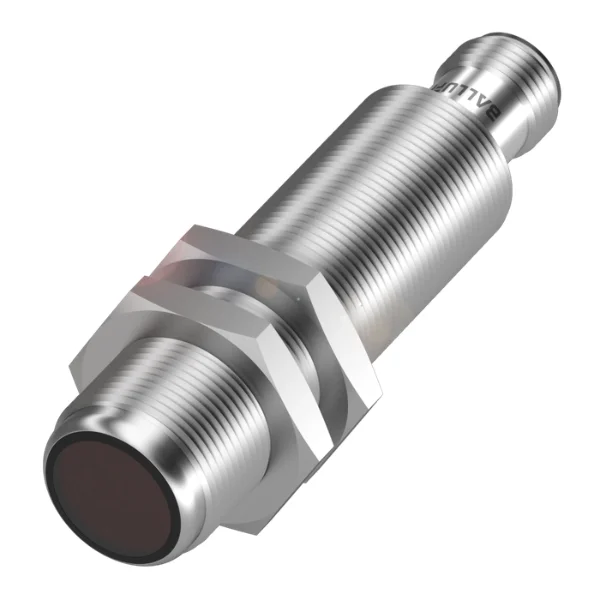
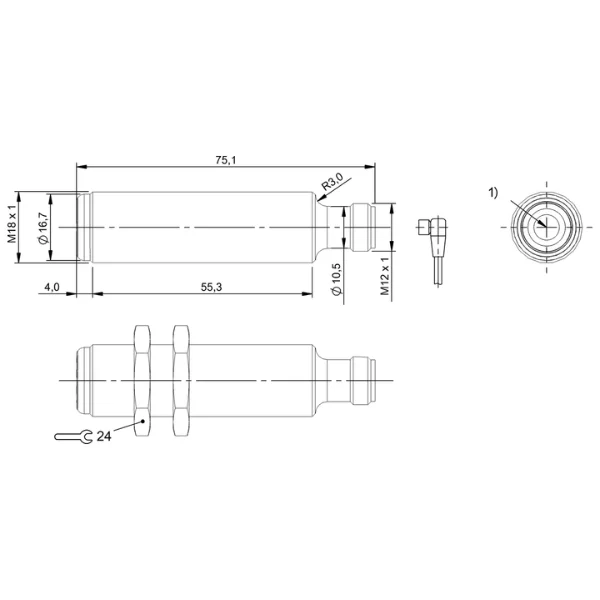
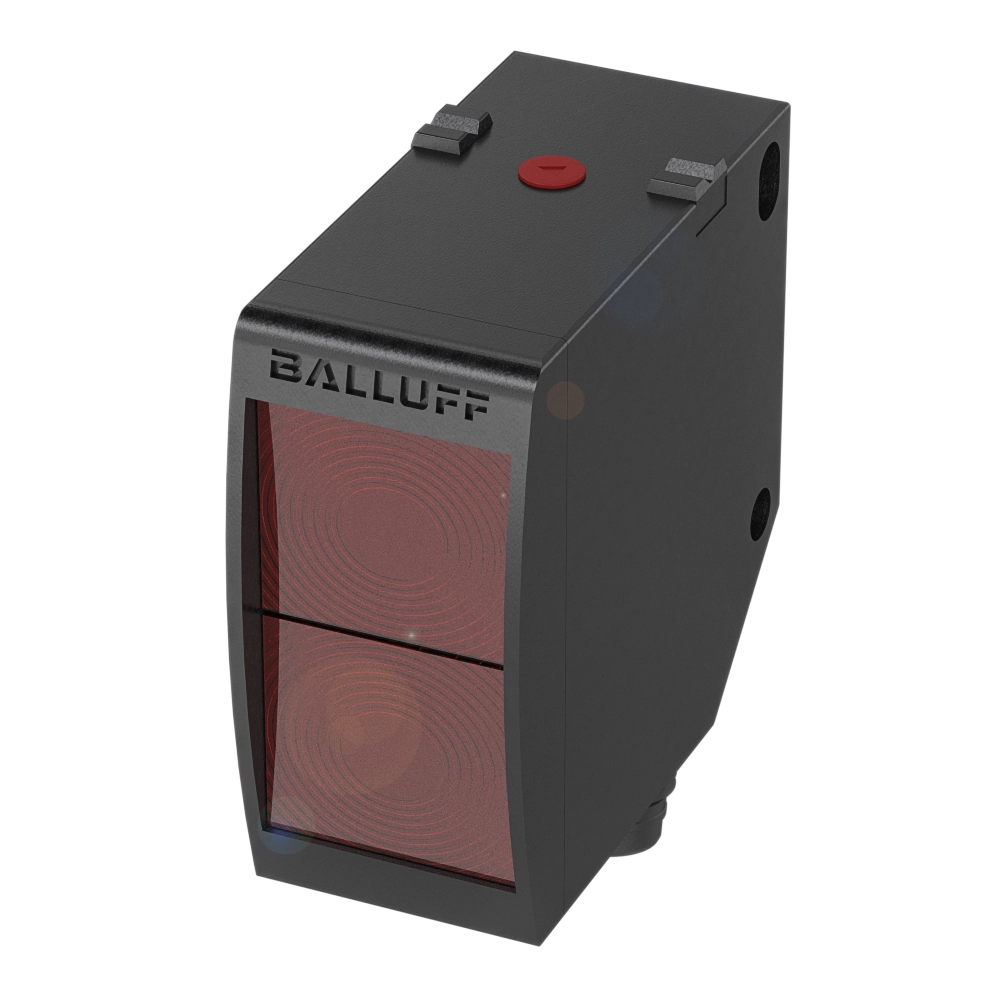
What is Balluff BOS01KM BOS 18E-PA-RE20-S4
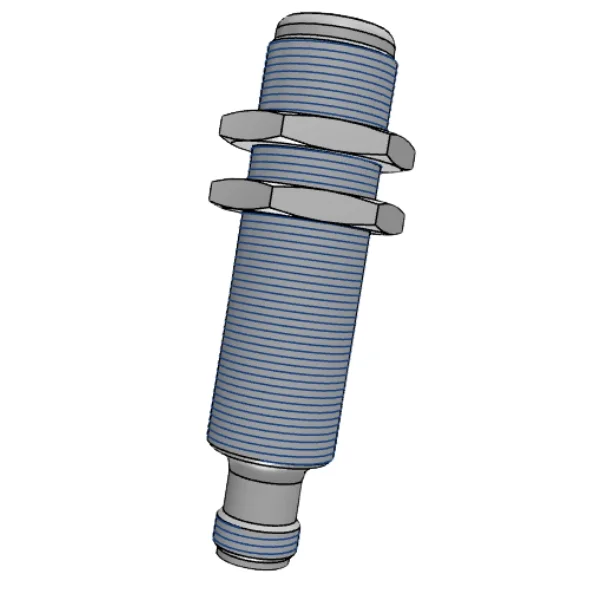
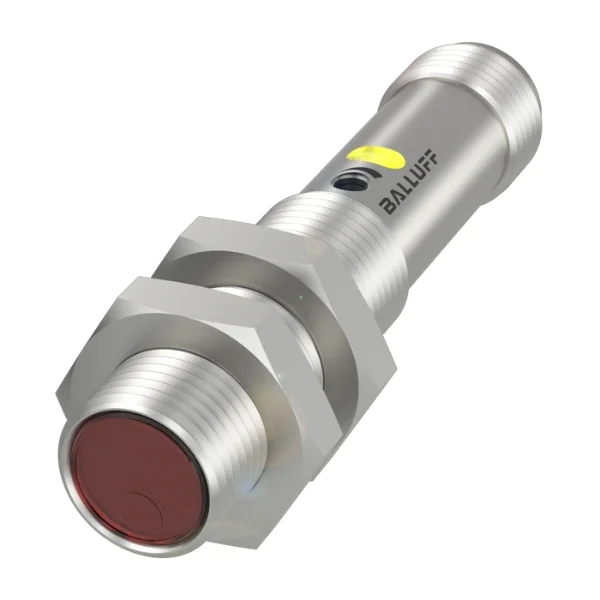
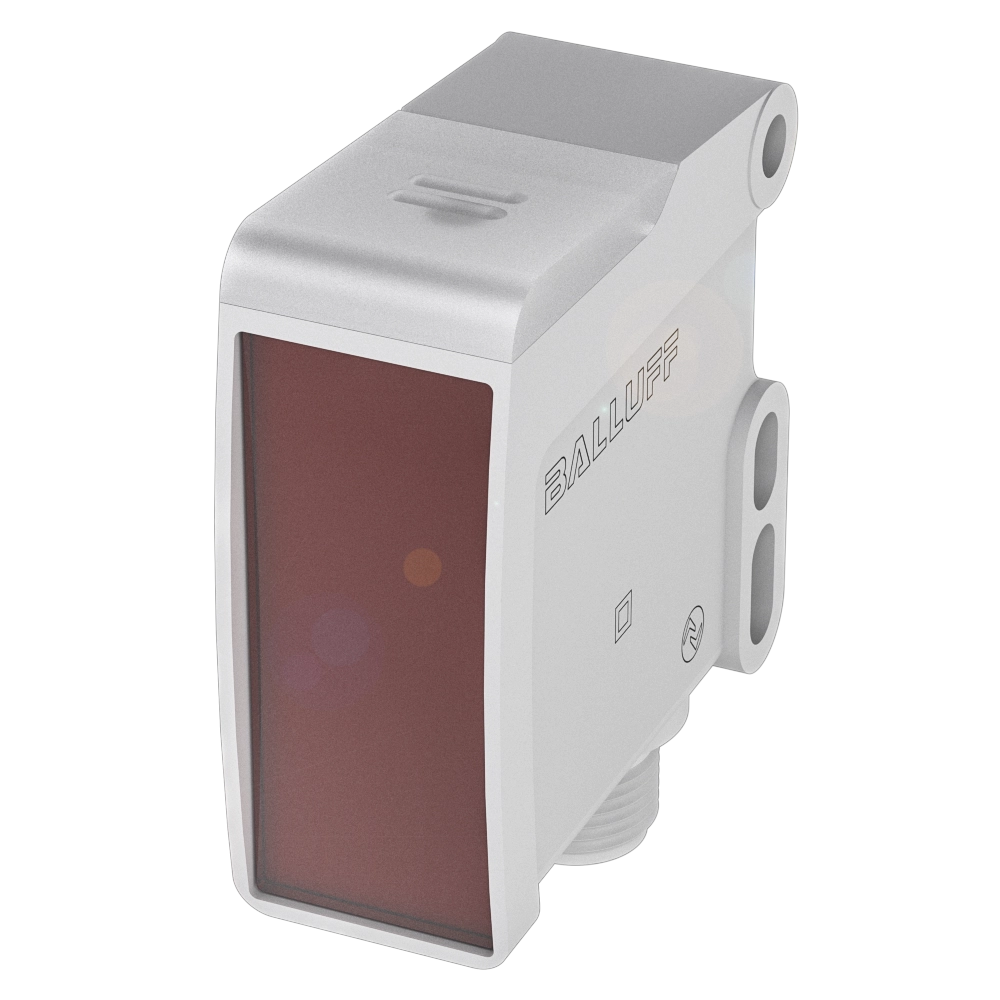
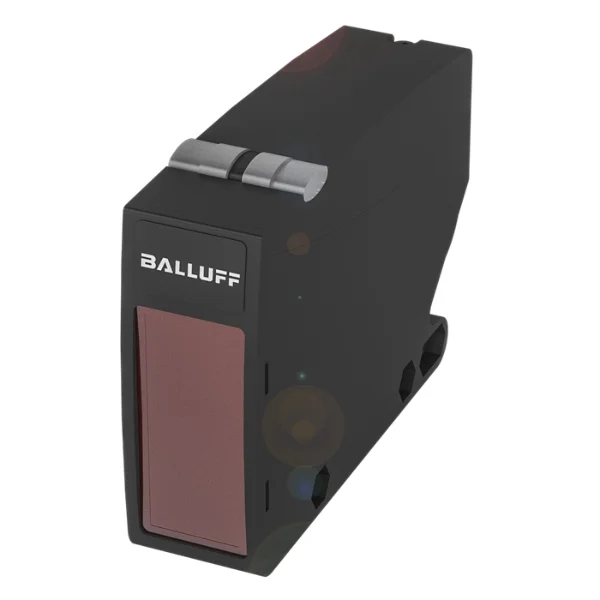
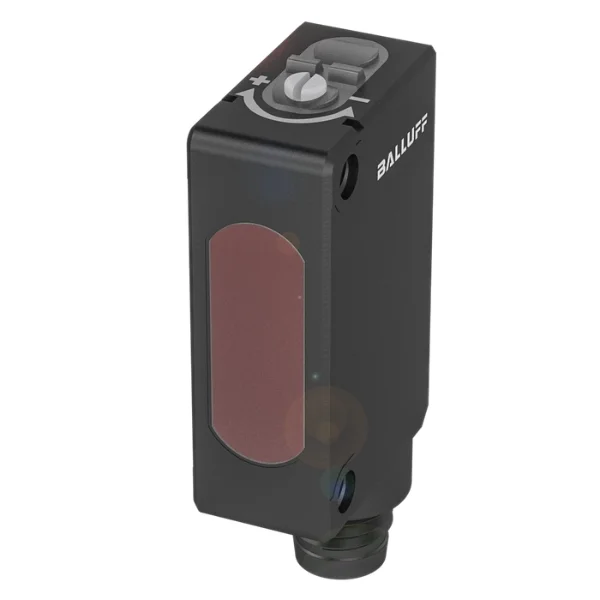
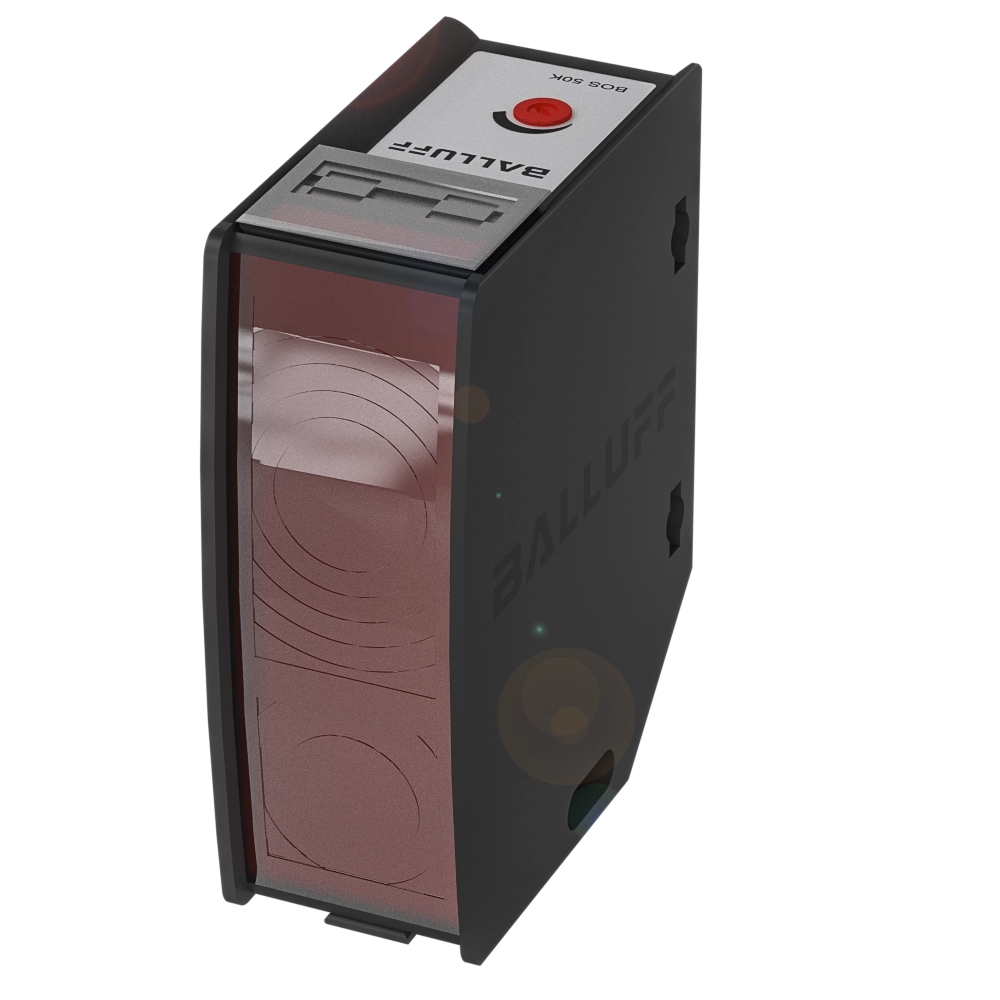
Balluff BOS01KM BOS 18E-PA-RE20-S4 is an industrial photoelectric sensor designed for object detection, positioning, and automation monitoring tasks. It is used in machine automation environments where reliable sensing, process control, and equipment feedback are required to support efficient operation of industrial systems and production processes.
The Balluff BOS01KM BOS 18E-PA-RE20-S4 belongs to the Balluff photoelectric sensing portfolio commonly deployed in automated production environments. Photoelectric sensors are widely used where physical contact with the target is undesirable or impractical.
These sensors help automation systems identify object presence, verify movement, support positioning functions, and improve process visibility. Depending on application requirements, installation configuration, target characteristics, and control architecture, photoelectric sensing technology can assist with production reliability, machine protection, conveyor monitoring, and product flow verification.
For procurement teams, the BOS01KM model is typically evaluated based on installation requirements, compatibility with existing control systems, sensing requirements, environmental conditions, and maintenance accessibility.
Applications of Balluff BOS01KM BOS 18E-PA-RE20-S4
- Conveyor Object Detection
In automated conveying systems, the sensor can be used to detect cartons, containers, trays, or components moving between production stages. Reliable detection helps maintain process continuity and supports automated decision-making.
- Packaging Line Monitoring
Packaging machines often require confirmation of product presence before sealing, labeling, or wrapping operations. The sensor assists in identifying product positioning and movement through packaging stations.
- Automated Assembly Systems
Assembly cells depend on accurate component verification before robotic or semi-automated operations occur. The sensor can support part presence confirmation and sequence validation.
- Warehouse Automation Equipment
Automated material transport systems require continuous monitoring of pallets, totes, and transported items. Photoelectric sensing helps maintain traffic flow and reduce operational interruptions.
- Machine Safety Interlocks and Status Verification
In selected machine designs, object detection may support equipment monitoring and operational verification functions where process feedback is required.
- Sorting and Routing Systems
Distribution and logistics operations frequently use photoelectric sensing to identify products entering sorting zones and guide automated routing decisions.
- Production Buffer Management
Manufacturing plants often use sensors to monitor accumulation zones and buffer areas to maintain balanced material flow between production processes.
For additional information on industrial sensing applications, buyers can review related resources through the company information available at https://www.indusmegamart.com/about-us.
Industries Using Balluff BOS01KM BOS 18E-PA-RE20-S4
The Balluff BOS01KM BOS 18E-PA-RE20-S4 is relevant across numerous industrial sectors where automated detection and process monitoring are required.
Common industries include:
• Automotive component manufacturing
• Food and beverage processing
• Packaging and labeling operations
• Logistics and distribution centers
• Electronics assembly facilities
• Pharmaceutical production environments
• Consumer goods manufacturing
• Material handling equipment manufacturing
• Warehouse automation systems
• OEM machine building operations
Each industry may use the sensor differently depending on production speed, equipment design, environmental conditions, and process objectives.
Operational Considerations
Before selecting Balluff BOS01KM BOS 18E-PA-RE20-S4, buyers should evaluate:
• Target material characteristics
• Available mounting space
• Ambient lighting conditions
• Dust, moisture, and contamination exposure
• PLC and controller compatibility
• Maintenance accessibility
• Cable routing requirements
• Detection reliability expectations
• Equipment cycle rates
A thorough application review helps ensure long-term operational suitability and reduces unexpected integration challenges.
Customization Options
Indus Megamart operates as a supplier and distributor. Custom manufacturing modifications are not offered for this product.
However, procurement teams may evaluate alternative sensor configurations within the Balluff portfolio based on:
• Mounting requirements
• Detection distance requirements
• Output configurations
• Connector preferences
• Environmental protection needs
• Application-specific installation constraints
Alternative product selection support can be discussed during the enquiry stage.
Product Supply & Distribution Capability
Indus Megamart supplies and distributes Balluff industrial automation products across India.
The company's sourcing and distribution capabilities support:
• OEM procurement requirements
• Maintenance replacement requirements
• Plant expansion projects
• Automation retrofitting initiatives
• System integrator sourcing activities
• Multi-site industrial procurement
A large industrial product catalog allows procurement teams to source complementary automation components through a single supplier relationship where appropriate.
Supply Across India
Indus Megamart supports nationwide supply requirements across industrial regions including:
• Delhi NCR
• Maharashtra
• Gujarat
• Tamil Nadu
• Karnataka
• Telangana
• Andhra Pradesh
• Punjab
• Haryana
• Rajasthan
• West Bengal
Supply support is available for manufacturing facilities, project sites, machine builders, contractors, and industrial maintenance operations throughout India.
Operational Base Location
Indus Megamart serves customers through its established industrial supply operations while supporting procurement requirements across the country through its distribution network and logistics partners.
How to Choose the Right Balluff BOS01KM BOS 18E-PA-RE20-S4
Buyer Checklist
Before purchasing, evaluate:
- What type of object must be detected?
- What environmental conditions exist?
- Is reflective, transparent, or irregular material involved?
- What control system will receive the sensor signal?
- What mounting limitations exist?
- What maintenance accessibility is available?
- Is the sensor intended for OEM installation or replacement?
- Are there future automation expansion plans?
These considerations help align sensor selection with operational requirements rather than relying solely on catalog descriptions.
Comparison Table
Industrial buyers often compare sensing technologies before finalizing procurement decisions.
Evaluation Factor |
BOS01KM Photoelectric Sensor |
Mechanical Detection Device |
|
Contactless Detection |
Yes |
No |
|
Wear Exposure |
Reduced |
Higher |
|
High-Speed Applications |
Suitable |
Application dependent |
|
Automation Integration |
Common |
Limited |
|
Object Monitoring |
Effective |
Application dependent |
|
Maintenance Requirements |
Typically lower wear-related maintenance |
Mechanical inspection may be required |
Actual suitability depends on project requirements and equipment design.
Typical Use Case Scenarios
Scenario 1: Automated Packaging Facility
The sensor monitors product movement before carton sealing operations, helping ensure packaging sequence continuity.
Scenario 2: Warehouse Conveyor Network
The device supports package tracking and routing decisions within automated transport systems.
Scenario 3: Electronics Manufacturing Line
Component presence verification assists production stations before assembly activities proceed.
Scenario 4: Machine Builder OEM Project
The sensor is integrated into newly designed machinery to support object detection and process monitoring functions.
Procurement Process
Organizations interested in Balluff BOS01KM BOS 18E-PA-RE20-S4 can follow a structured procurement process:
Step 1: Define application requirements.
Step 2: Share operating conditions and installation details.
Step 3: Verify product suitability.
Step 4: Request commercial quotation.
Step 5: Confirm availability and delivery requirements.
Step 6: Complete procurement documentation.
For enquiries and technical discussions, visit:
https://www.indusmegamart.com/contact-us
For company information and supply capabilities:
https://www.indusmegamart.com/about-us
Common Buyer Concerns Before Ordering
Buyers frequently evaluate:
• Compatibility with existing automation infrastructure
• Availability of replacement units
• Installation requirements
• Maintenance accessibility
• Environmental suitability
• Long-term sourcing continuity
• Delivery schedules
• Integration complexity
Addressing these factors during project planning helps reduce implementation risks and procurement delays.
Frequently Asked Questions
What is Balluff BOS01KM BOS 18E-PA-RE20-S4 used for?
Balluff BOS01KM BOS 18E-PA-RE20-S4 is primarily used for object detection, process monitoring, positioning verification, and automation feedback applications. It supports industrial machinery and automated systems that require reliable non-contact sensing.
Is Balluff BOS01KM BOS 18E-PA-RE20-S4 suitable for conveyor systems?
Yes. Photoelectric sensors are commonly used in conveyor environments to monitor product movement, detect object presence, and support automated material handling operations.
Can this sensor be integrated with PLC-controlled systems?
Industrial photoelectric sensors are typically deployed alongside PLC-based automation systems. Compatibility should be verified against project-specific electrical and control requirements.
What factors should be evaluated before selecting this sensor?
Key considerations include target characteristics, environmental conditions, installation space, sensing requirements, controller compatibility, maintenance access, and operational objectives.
Is Balluff BOS01KM BOS 18E-PA-RE20-S4 appropriate for OEM machinery?
Many OEM machine builders use photoelectric sensing technology within equipment designs. Final suitability depends on machine architecture and application requirements.
How does a photoelectric sensor differ from a mechanical detection device?
Photoelectric sensors generally perform detection without physical contact, reducing mechanical wear while supporting automated monitoring and control applications.
Can this product be used in warehouse automation projects?
Yes. Warehouse automation systems frequently use photoelectric sensors for routing, sorting, product detection, and transport monitoring applications.
How can buyers verify the correct configuration before purchase?
Application details, installation requirements, and operating conditions should be reviewed with the supplier before procurement to ensure appropriate product selection.
Request a Quote for Balluff BOS01KM BOS 18E-PA-RE20-S4
Indus Megamart supplies and distributes Balluff BOS01KM BOS 18E-PA-RE20-S4 for industrial automation projects, maintenance requirements, OEM integration, and plant modernization initiatives.
Contact Page:
https://www.indusmegamart.com/contact-us
About Indus Megamart:
https://www.indusmegamart.com/about-us
The team can assist with product sourcing, technical discussions, quotation requests, and industrial procurement planning.
Technical Configuration Overview
Product Specifications
Because project-specific technical documentation has not been provided, exact performance specifications should be verified before procurement.
Parameter |
Overview |
|
Product |
Balluff BOS01KM BOS 18E-PA-RE20-S4 |
|
Brand |
Balluff |
|
Product Category |
Photoelectric Sensor |
|
Sensing Principle |
Optical object detection technology |
|
Application Area |
Industrial automation |
|
Installation Environment |
Machinery and automated systems |
|
Interface Configuration |
Model-specific |
|
Housing Configuration |
Model-specific |
|
Electrical Connection |
Refer to manufacturer documentation |
|
Operating Characteristics |
Application dependent |
|
Compatibility |
Industrial control systems and automation equipment |
Technical specifications should be confirmed during quotation or project evaluation.







Customer reviews