



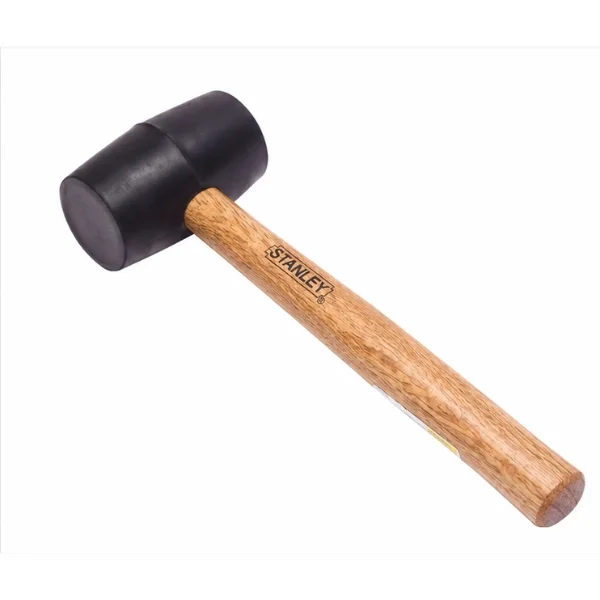
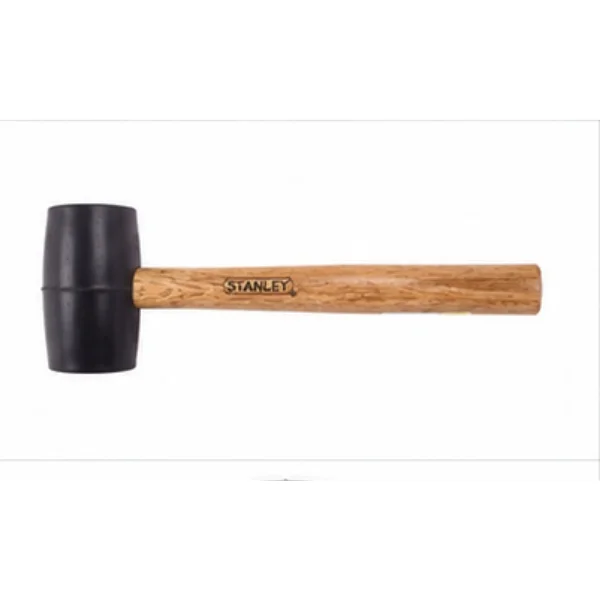
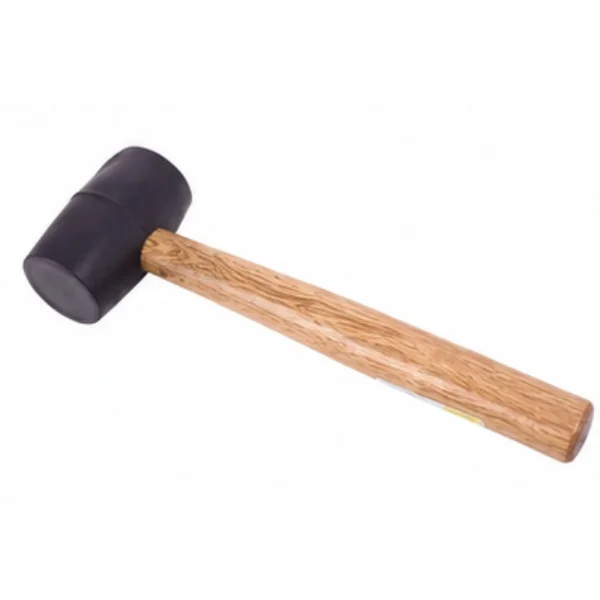
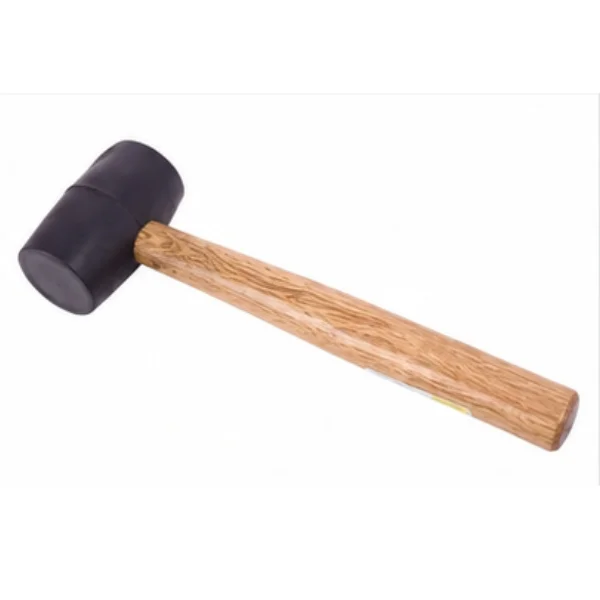
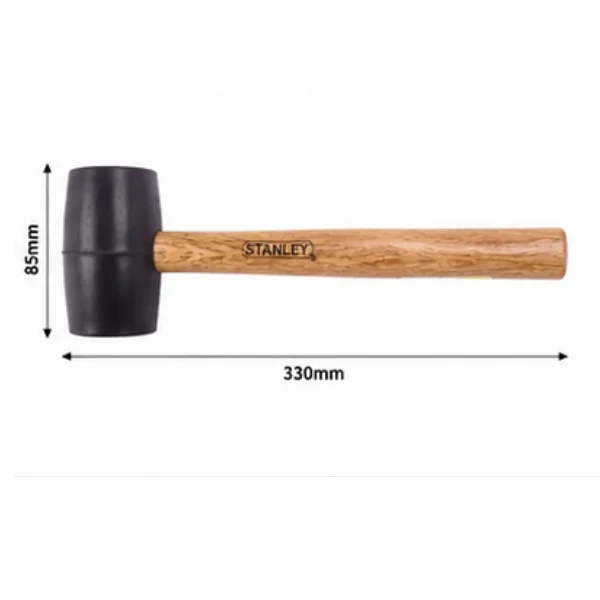
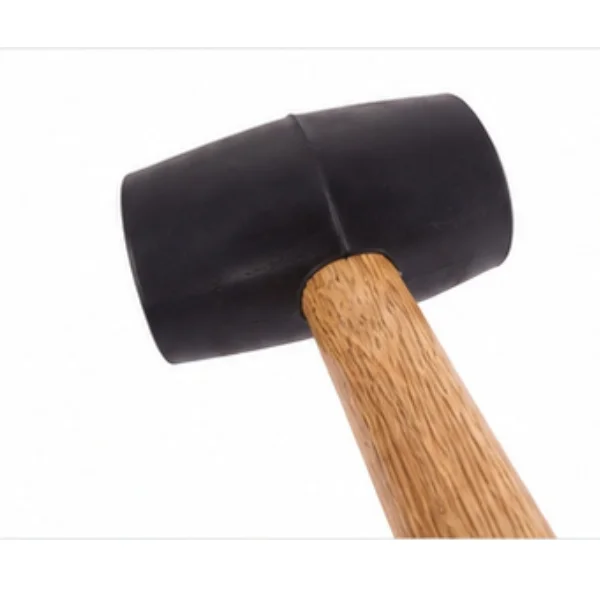
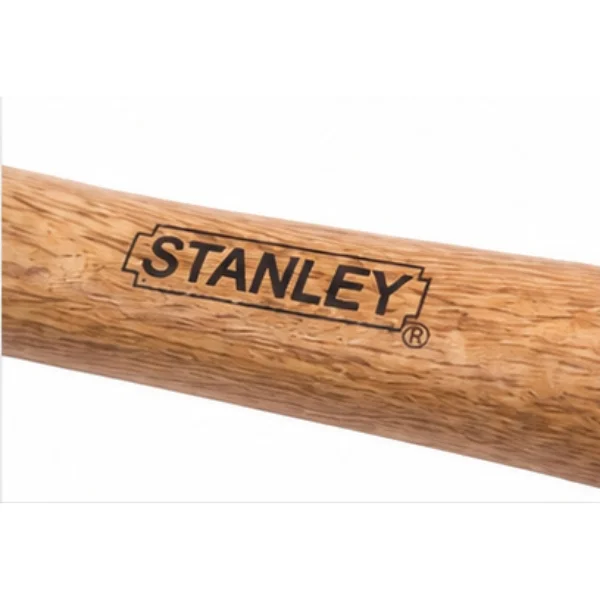
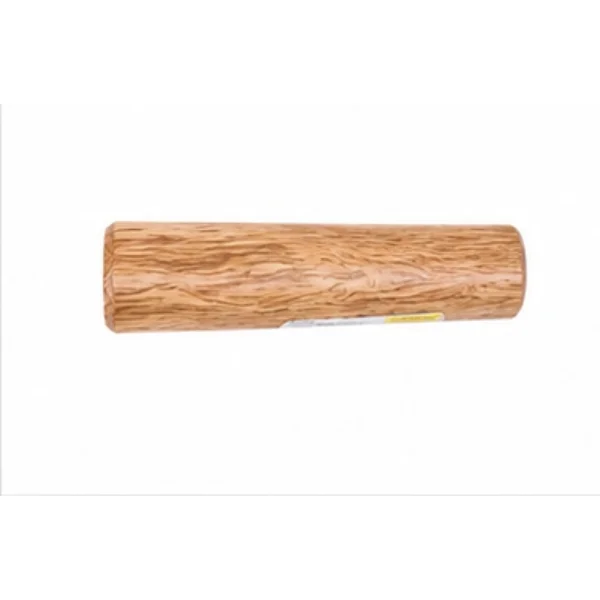


The tool is commonly selected for fabrication shops, automotive service environments, woodworking operations, equipment installation, and light engineering applications where conventional steel hammers may leave impact marks or deform sensitive materials.
What is Stanley STHT57528-8 Rubber Mallet Hammer 680g / 24oz
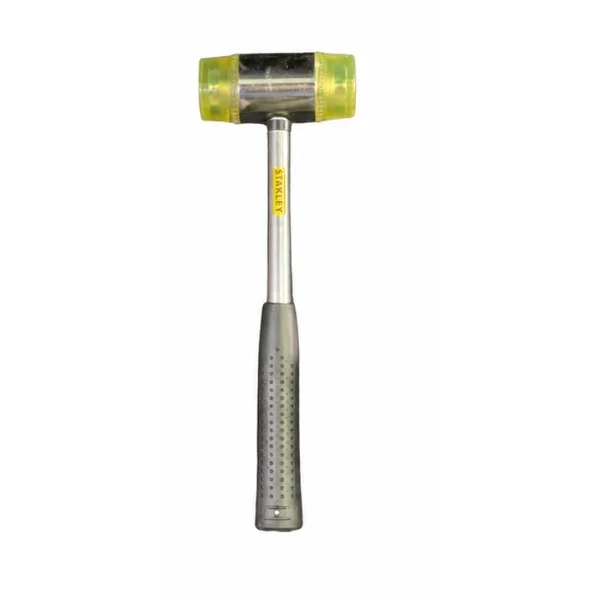
Stanley STHT57528-8 Rubber Mallet Hammer 680g / 24oz is a soft-face striking tool designed for controlled impact applications where surface protection is important. It is typically used for alignment, fitting, assembly, flooring installation, and maintenance operations that require force transmission without denting, chipping, or scratching components.
Unlike conventional steel hammers that transfer concentrated impact energy, a rubber mallet distributes striking force more evenly across the contact surface. This makes the Stanley STHT57528-8 Rubber Mallet Hammer suitable for operations involving finished surfaces, coated parts, laminated panels, molded components, tiles, and assembly fixtures.
The 680g / 24oz configuration generally provides a balance between striking control and impact force. It is commonly selected for repetitive industrial tasks where operators require sufficient driving force without excessive rebound or surface damage.
In industrial environments, rubber mallets are frequently used alongside installation tools, alignment fixtures, woodworking equipment, fabricated assemblies, maintenance kits, and machine setup processes.
Indus Megamart supplies Stanley rubber mallet tools for procurement teams seeking reliable hand tools suitable for maintenance departments, workshop operations, and field installation work.
Applications of Stanley STHT57528-8 Rubber Mallet Hammer 680g / 24oz
Flooring and Tile Installation
Rubber mallets are widely used during tile placement and flooring alignment. The softer striking surface helps installers position tiles, laminate panels, or interlocking flooring sections without cracking edges or damaging finished surfaces.
Mechanical Assembly Alignment
During light assembly work, technicians often need to align housings, panels, covers, or machine parts without causing deformation. The Stanley STHT57528-8 Rubber Mallet Hammer assists in controlled seating and adjustment operations.
Fabrication and Sheet Metal Positioning
In fabrication workshops, non-marking hammers are used to reposition fabricated sections, guide assembled frames, or adjust sheet components during fitting processes where cosmetic surface integrity matters.
Woodworking and Furniture Assembly
Woodworkers and furniture installers frequently use rubber mallets when fitting joints, aligning wooden sections, or assembling modular structures where steel hammers may leave dents.
Maintenance and Equipment Servicing
Maintenance personnel use rubber mallets during dismantling, cover removal, seal fitting, and machine alignment tasks where moderate impact is needed without damaging installed equipment.
Automotive and Garage Applications
The tool may also be used in automotive workshops for trim fitting, wheel cap adjustment, body panel alignment, and controlled positioning of sensitive components.
Industrial Packaging and Fixture Seating
Production teams sometimes use rubber mallets for seating crates, securing temporary assemblies, or adjusting packaging fixtures in dispatch and logistics environments.
Industries Using Stanley STHT57528-8 Rubber Mallet Hammer 680g / 24oz
The Stanley STHT57528-8 Rubber Mallet Hammer 680g / 24oz is used across multiple industrial and commercial sectors where controlled striking applications are common.
Industries include:
- Industrial maintenance workshops
- Construction and interior finishing
- Automotive servicing and repair
- Woodworking and furniture manufacturing
- HVAC installation projects
- Fabrication and light engineering units
- Equipment installation contractors
- Packaging and warehouse operations
- Facility maintenance departments
- Infrastructure maintenance teams
Compared to ball pein hammers such as the Stanley 54-115 Ball Pein Hammer 680g / 24oz, rubber mallets are selected when impact protection is more important than concentrated striking force
Operational Considerations
When selecting a rubber mallet for industrial operations, buyers typically evaluate the nature of the striking application, working environment, operator frequency, and surface sensitivity.
Key considerations include:
Surface Protection Requirements
Rubber mallets are preferred where painted, coated, polished, laminated, or finished surfaces must remain free from visible impact marks.
Impact Control
A 24oz rubber mallet generally supports moderate striking applications without transferring excessive concentrated force to the workpiece.
Repetitive Usage Environment
For maintenance or assembly lines involving repetitive adjustments, softer striking tools can reduce unintended component damage during daily operations.
Compatibility with Installation Processes
Rubber mallets are commonly used alongside:
- tile spacers
- alignment fixtures
- woodworking clamps
- machine leveling systems
- panel installation tools
- assembly jigs
Indoor and Site Operations
The Stanley STHT57528-8 Rubber Mallet Hammer may be used in workshops, installation sites, fabrication units, and maintenance areas where noise reduction and controlled impact are operational priorities.
Customization Options
Indus Megamart supplies the Stanley STHT57528-8 Rubber Mallet Hammer as a standard branded industrial hand tool. Product customization or private labeling is not offered for this item.
However, procurement teams may discuss:
- bulk order requirements
- multi-tool procurement support
- combined dispatch planning
- project-based supply scheduling
- recurring industrial supply arrangements
Organizations sourcing larger maintenance toolkits may also combine procurement with related Stanley products including soft face hammers, claw hammers, pliers, hex key sets, and cutting tools.
Product Supply & Distribution Capability
Indus Megamart operates as a supplier and distributor of industrial hand tools for customers across India. The company supports procurement requirements for contractors, workshops, infrastructure projects, maintenance departments, and industrial purchasing teams.
The supply structure is suitable for:
- individual tool procurement
- maintenance inventory replenishment
- contractor supply requirements
- project-based tool sourcing
- institutional purchasing
More about operational capabilities can be reviewed on the About Us Page.
Supply Across India
Indus Megamart supports Pan India supply requirements for Stanley industrial hand tools.
Supply coverage may include:
- metro cities
- industrial zones
- infrastructure project sites
- OEM support environments
- warehouse operations
- contractor networks
Dispatch coordination is typically aligned with stock availability, order quantity, and logistics routing requirements.
Industrial buyers often evaluate nationwide supply reliability when standardizing tool procurement across multiple operating locations. Consistent availability of commonly used hand tools can support maintenance continuity and reduce procurement fragmentation.
How to Choose the Right Stanley STHT57528-8 Rubber Mallet Hammer
Selecting the appropriate rubber mallet depends on the working environment, impact requirement, and surface sensitivity.
Buyer Checklist
Evaluate Impact Intensity
For moderate assembly and installation work, a 680g / 24oz mallet may provide a balanced combination of control and striking force.
Consider Surface Sensitivity
Applications involving coated, finished, laminated, or polished materials generally require non-marking striking tools.
Assess Operator Frequency
Frequent repetitive use may require ergonomic handling and balanced weight distribution for improved operational control.
Match Tool with Task Type
Rubber mallets are generally more suitable than steel hammers for:
- alignment work
- assembly seating
- flooring installation
- woodworking fitting
- panel positioning
Compare with Alternative Hammer Types
Buyers comparing rubber mallets with soft face hammers may also review tools such as:
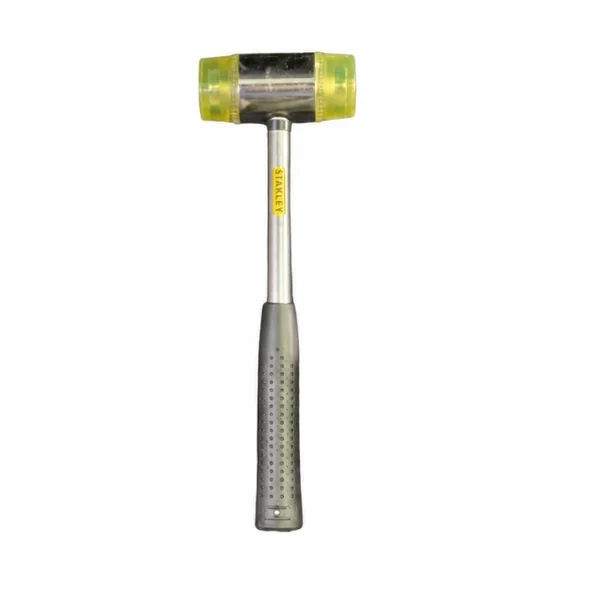
- Stanley STHT51774 Soft Face Hammer 50mm
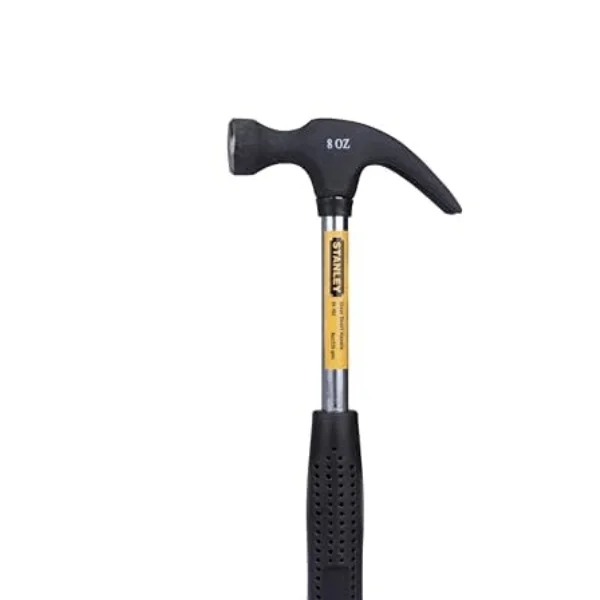
- Stanley 54-115 Ball Pein Hammer 680g / 24oz
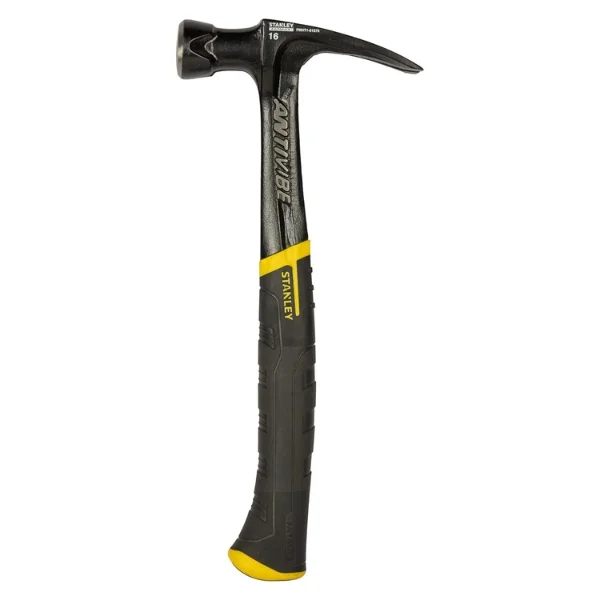
- Stanley FMHT1-51276 FatMax Rip Claw Hammer
Comparison Table
Different striking tools are selected depending on the application environment, impact intensity, and surface protection requirements.
Tool Type |
Primary Use |
Surface Protection |
Typical Environment |
|
Rubber Mallet |
Alignment & installation |
High |
Flooring, assembly, woodworking |
|
Ball Pein Hammer |
Metalworking impact |
Low |
Fabrication, mechanical work |
|
Soft Face Hammer |
Precision fitting |
High |
Assembly & maintenance |
|
Claw Hammer |
General fastening |
Medium |
Carpentry & construction |
The Stanley STHT57528-8 Rubber Mallet Hammer is generally preferred where controlled impact and reduced surface marking are operational priorities.
Typical Use Case Scenarios
Interior Installation Contractor
A flooring contractor may use the rubber mallet during laminate or tile installation to align sections without damaging visible surfaces.
Equipment Maintenance Department
Maintenance teams may use the mallet when repositioning machine guards, adjusting panels, or fitting protective covers during servicing operations.
Furniture Assembly Workshop
Woodworking and modular furniture assembly operations often require non-marking impact tools for joint alignment and structural fitting.
Fabrication Unit Setup Work
Fabrication technicians may use rubber mallets for positioning fabricated sections before final fastening or welding alignment.
Procurement Process
Industrial buyers seeking the Stanley STHT57528-8 Rubber Mallet Hammer 680g / 24oz can coordinate with Indus Megamart for pricing, availability, and dispatch planning.
Typical procurement discussions include:
- quantity requirements
- delivery timelines
- stock confirmation
- related tool requirements
- bulk supply coordination
For enquiries, visit the Contact Page.
Common Buyer Concerns Before Ordering
Is the rubber face suitable for delicate surfaces?
Rubber mallets are commonly selected for non-marking applications, although actual surface compatibility depends on work material and operating conditions.
Can the tool be used for industrial maintenance work?
Yes. Rubber mallets are widely used in maintenance departments for alignment, adjustment, and controlled assembly operations.
Is this suitable for heavy demolition work?
No. Rubber mallets are generally intended for controlled impact rather than high-force demolition applications.
Can procurement teams order in bulk?
Bulk supply discussions may be coordinated based on project requirements and stock availability.
Is the tool suitable for workshop use?
Yes. Rubber mallets are commonly used in workshops involving assembly, fitting, woodworking, fabrication, and maintenance activities.
Frequently Asked Questions
What is the Stanley STHT57528-8 Rubber Mallet Hammer used for?
The Stanley STHT57528-8 Rubber Mallet Hammer is typically used for assembly, fitting, alignment, flooring installation, woodworking, and maintenance operations where controlled striking is needed without damaging work surfaces. Its soft-face design helps reduce dents, scratches, and impact marks during industrial or installation tasks.
Why use a rubber mallet instead of a steel hammer?
Rubber mallets distribute impact force more evenly and reduce surface damage compared to steel hammers. They are commonly selected for finished materials, coated surfaces, tile installation, woodworking, and assembly operations where appearance and dimensional integrity are important.
Is the Stanley STHT57528-8 Rubber Mallet Hammer suitable for industrial applications?
Yes. Rubber mallets are regularly used in industrial workshops, maintenance departments, assembly stations, fabrication setups, and contractor environments where controlled impact applications are required.
Can this rubber mallet be used for tile installation?
Yes. Rubber mallets are commonly used in tile and flooring work because they help position materials without cracking edges or damaging surface finishes during installation.
What industries commonly use rubber mallet hammers?
Industries using rubber mallets include construction, woodworking, automotive servicing, equipment installation, fabrication, facility maintenance, furniture assembly, and infrastructure maintenance operations.
How does a soft-face hammer differ from a rubber mallet?
Soft-face hammers may use interchangeable striking materials for precision applications, while rubber mallets typically use molded rubber striking surfaces designed for general non-marking impact work.
Is the 24oz configuration suitable for repetitive workshop tasks?
A 24oz rubber mallet is commonly selected for moderate-impact repetitive operations because it offers a balance between force transmission and operator control.
Where can buyers source Stanley STHT57528-8 Rubber Mallet Hammer in India?
Industrial buyers can source the Stanley STHT57528-8 Rubber Mallet Hammer through Indus Megamart, which supports Pan India supply and distribution requirements for industrial hand tools.
Request a Quote for Stanley STHT57528-8 Rubber Mallet Hammer 680g / 24oz
Indus Megamart supplies and distributes Stanley industrial hand tools for contractors, industrial buyers, workshops, maintenance departments, and infrastructure projects across India.
For pricing, availability, bulk procurement, or technical discussions, connect through the official contact channel.
Contact Page: Indus Megamart Contact Page
About Company: Indus Megamart About Us
Technical Configuration Overview
Product Specifications
|
Parameter |
Details |
|
Product Name |
Stanley STHT57528-8 Rubber Mallet Hammer |
|
Weight Category |
680g / 24oz |
|
Tool Type |
Rubber Mallet Hammer |
|
Face Type |
Soft Face / Non-Marking |
|
Brand |
Stanley |
|
Usage Type |
Assembly, Alignment, Installation |
|
Business Type |
Supplier & Distributor |
|
Supply Coverage |
Pan India |
|
Customization |
Not Available |
Note: Exact dimensional and material specifications may vary depending on manufacturer production revisions and supply batches.







Customer reviews